How Africa is becoming a ‘strategic hub’ for Chinese industrial expansion
For decades, resource-rich African nations operated on a straightforward pit-to-ship model whereby foreign operators extracted raw ore, loaded it onto cargo ships and exported it abroad, leaving producer countries with little to show for it. Today, nations such as Zimbabwe, Namibia, Mozambique, Ghana and Guinea are dismantling that system – by banning exports of raw materials and enforcing local…
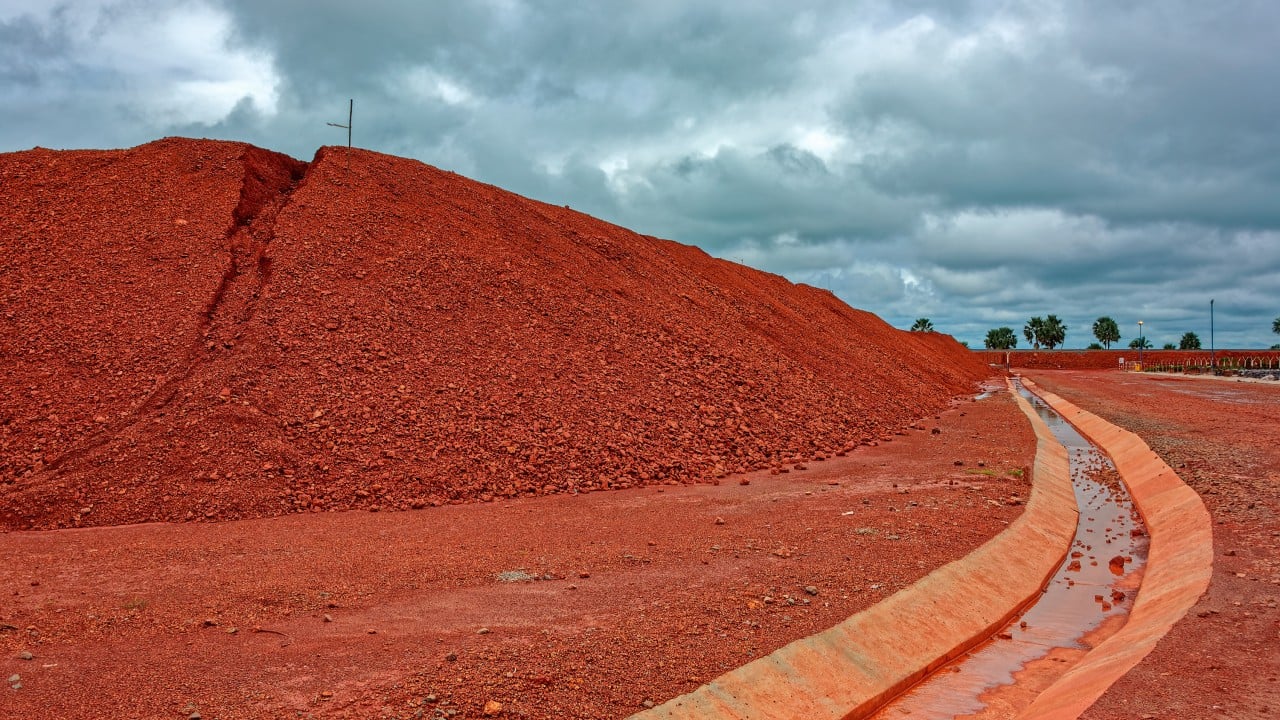
For years, resource-abundant African countries followed a simple model: foreign companies extracted raw ores, shipped them overseas, and earned little in return. However, nations like Zimbabwe, Namibia, Mozambique, Ghana, and Guinea are changing this narrative by banning raw material exports and enforcing local processing rules.
These measures compel international mining firms, including Chinese companies, to invest heavily in domestic processing plants. Instead of merely shipping out ore, Chinese firms like Zhejiang Huayou Cobalt, Sinomine Resource Group, and Chengxin Lithium Group are constructing facilities to convert Zimbabwean lithium into sulphate or carbonate, Guinean bauxite into alumina, and Mozambican graphite into battery materials.
According to Carlos Lopes, a professor at the University of Cape Town's Nelson Mandela School of Public Governance, China is increasingly viewing Africa as a strategic hub for industrial expansion, urbanization, infrastructure deployment, and consumer growth over the next few decades. The continent is transitioning from being a peripheral supplier to a central player in the global economy, with Chinese firms more likely to localize their operations when governments provide clear policies, reliable energy, domestic demand, and regional scale.
Prof. Lopes suggests that bans on raw material exports may not deter investment, as they can actually lead to better investment quality by promoting long-term commitments. However, these policies only succeed when governments demonstrate negotiating discipline and institutional coherence – otherwise, bans could become ineffective tools that encourage smuggling, policy volatility, and elite rent-seeking.
Zimbabwe's Zhejiang Huayou Cobalt subsidiary Prospect Lithium began exporting lithium sulphate from its US$400 million plant in Goromonzi, near Harare, in April. This plant has an annual capacity of 50,000 tonnes and aims to reach full capacity by next year. Other Chinese operators, such as Sinomine Resource Group and Chengxin Lithium Group, have also established lithium processing facilities in Zimbabwe.
Copper Mountain Mining Minister Polite Kambamura praised the production of lithium sulphate as a significant step towards local beneficiation and clean energy storage, with plans to build a lithium carbonate plant by August 2026.
In Guinea, the government has banned raw mineral exports and enforced local processing. Major firms are investing billions in projects, including three alumina refineries by China’s Chalco, State Power Investment Corporation, and Singapore’s Winning Consortium in Boffa. The Guinean mines minister, Bouna Sylla, emphasized that the country is shifting towards domestic processing as raw material exports are economically unsustainable.
Meanwhile, Mozambique's President Daniel Chapo, during a visit to Beijing, discussed the importance of local processing of minerals, with Jinan Yuxiao Group constructing a graphite processing plant in Nipepe with an annual capacity of 200,000 tonnes. Similar developments are occurring in Namibia, where the president visited Beijing to secure Chinese investment in local uranium processing and enrichment capabilities.
Analyst Linda Calabrese explains that Chinese firms co-locate processing near African resources due to economic benefits, neutral hub advantages, or tariff-arbitrage logic. However, as the US and the European Union tighten rules-of-origin tests and scrutiny of facilities with significant Chinese ownership, African exporters must capitalize on this window to build industrial capabilities that attract future manufacturing investment.
Written by urgent.news from Reuters Business via SCMP's reporting — not their text. Machine-written — may contain errors; check the original before relying on it.