Tehran signals shift to ‘offensive’ military doctrine, rules out extension of June interim deal
The standoff comes as Iran signals a tougher military posture and tensions continue around the strategically vital Strait of Hormuz, raising fresh doubts over prospects for a lasting peace.
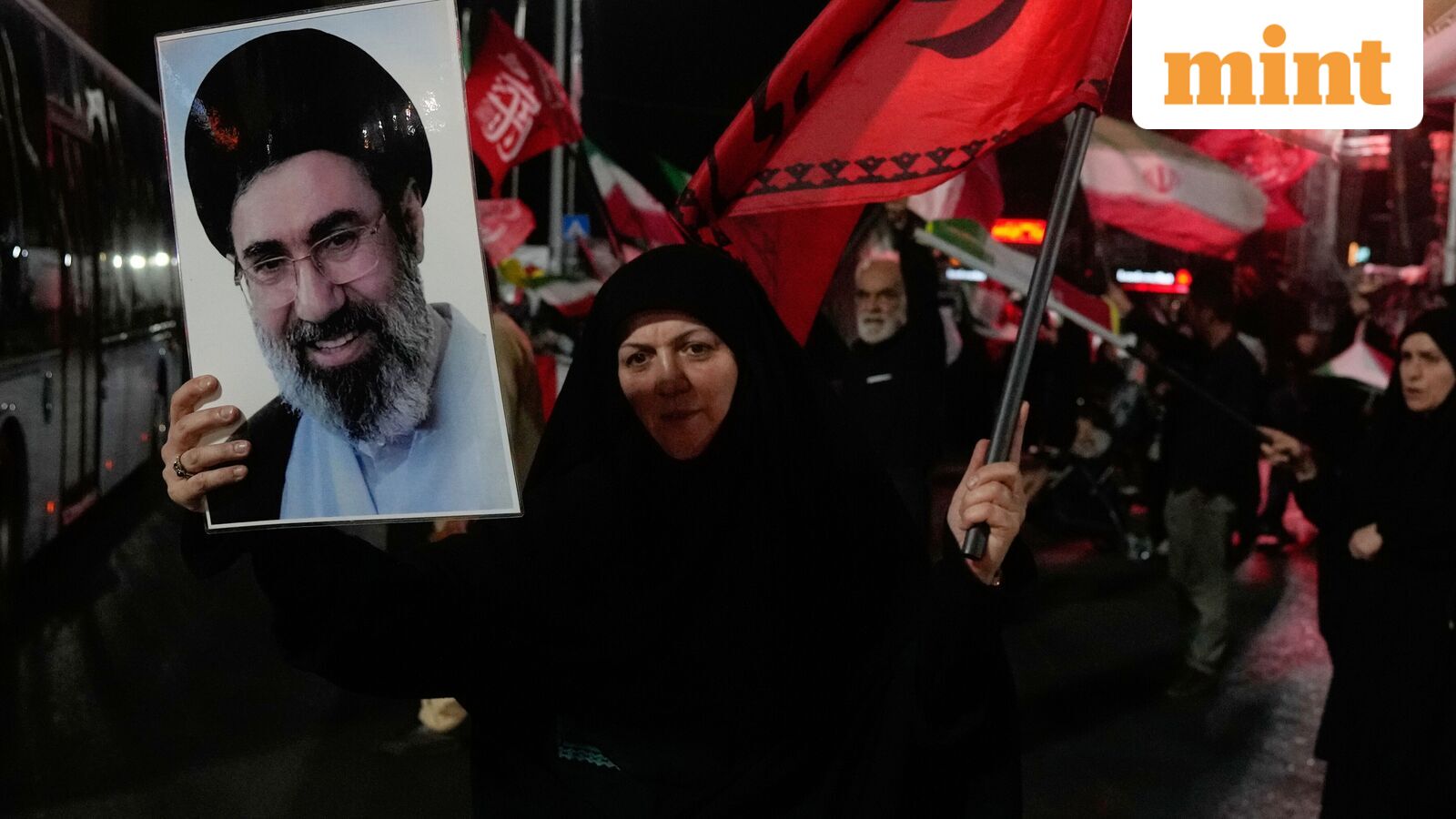
Iran and the United States remain at an impasse in their conflict, with Tehran refusing to extend the June interim deal and rejecting any timeline for implementing its commitments. Mohammad Reza Naqdi, a senior adviser to Iran's Islamic Revolutionary Guard Corps, stated that Tehran is adopting an "offensive doctrine" following military appointments by Supreme Leader Khamenei.
The IRGC is now prepared to conduct operations inside enemy territory when conditions permit, marking a significant shift in Iran's military strategy. Despite ongoing tensions, no progress has been made in reviving the June deal or establishing a timeline for fulfilling commitments. Iran has dismissed reports suggesting the 60-day period under the agreement could be extended, arguing it never began due to Washington's violation shortly after its inception.
The June deal aimed to halt military operations immediately and negotiate a broader agreement covering Iran's nuclear program and US sanctions. The Strait of Hormuz, a strategic shipping route, remains a major obstacle, with the US accusing Iran of failing to reopen it, while Iran claims Washington has not honored its obligations, such as lifting the blockade on Iranian ports and releasing frozen assets.
Tensions have escalated through hostile rhetoric and attacks on commercial ships, including an incident where Iran-backed Houthi forces killed four crew members in the Bab el-Mandeb Strait. Meanwhile, the US military shot down a cargo ship allegedly violating the US naval blockade on Iranian ports. The diplomatic deadlock, combined with the attacks on shipping, has kept energy markets volatile, with Brent crude futures rising from $88 to around $126 a barrel during the conflict's first six months.
Written by urgent.news from Live Mint's reporting — not their text. Machine-written — may contain errors; check the original before relying on it.