Taliban govt building diplomacy despite lack of recognition
FIVE years after returning to power, Afghanistan’s Taliban authorities have built working relationships with a slate of countries, despite a lack of formal recognition.
Since taking back control five years ago, the Taliban regime in Afghanistan has cultivated diplomatic ties with various nations, despite having no official acknowledgment. Russia is the sole country to formally recognize their administration. While several Western nations have requested evidence of domestic reforms concerning human rights before pursuing similar actions, many countries are still interacting with the Taliban's leadership, primarily due to practical concerns.
Embassies, travel agencies, and a billboard declaring "We're all connected" stand outside Kabul's Foreign Ministry, despite few Afghan citizens possessing the means to travel abroad. The Taliban's diplomatic approach has included hosting foreign representatives in Kabul and frequently sharing photos of these visits, such as those from China, Japan, Turkey, Saudi Arabia, and Britain.
Mujahid, a Taliban spokesman, emphasized the importance of regional and neighboring countries due to their economic interdependencies. Last month, officials from Tajikistan, Turkmenistan, Kyrgyzstan, Uzbekistan, and Kazakhstan convened in Kabul, as landlocked Central Asian states seek trade routes through Afghanistan to reach the sea.
Erica Gaston, a UN Security Council team member tasked with identifying strategies to address Afghanistan's challenges, noted that regional states are more pragmatic in dealing with the Taliban authorities. They recognize the current reality and are willing to engage, even if it's a situation they don't condone. However, foreign investments remain cautious due to the lack of official recognition.
Despite this, numerous Taliban officials travel overseas, including a delegation that visited Brussels in June to discuss returning rejected asylum-seekers to Afghanistan.
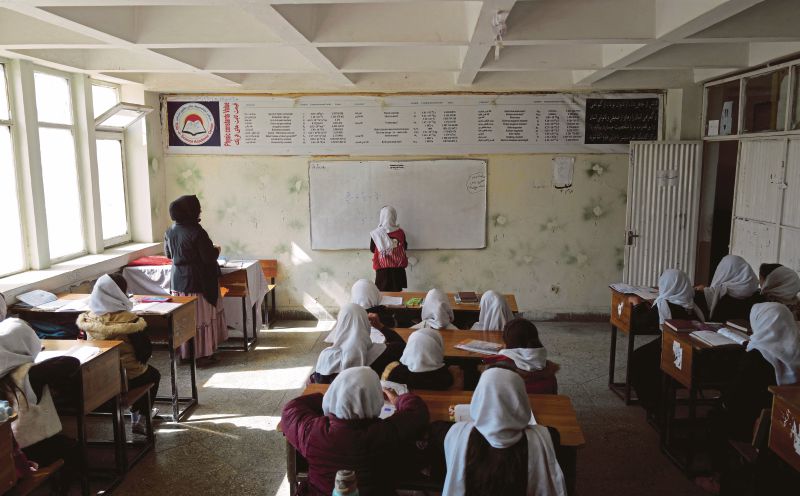
Germany, led by Interior Minister Alexander Dobrindt, has taken a significant step by deporting an Afghan who has not been convicted of any crime, the first such deportation since the Taliban's return to power in 2021. Meanwhile, the International Criminal Court has issued arrest warrants for the Taliban's Supreme Leader and Chief Justice for alleged crimes against humanity regarding women and girls' persecution. Afghan women continue to face restrictions, including being barred from certain locations, such as UN premises.
Gaston explained that while some issues are challenging to navigate, others allow for progress, particularly in counternarcotics and humanitarian access. Multiple nations have stepped in this year to mediate the conflict between Afghanistan and Pakistan, with China hosting talks after hundreds of civilians were killed. Qatar, Saudi Arabia, Oman, Iran, Turkey, Uzbekistan, and Malaysia also contributed to peace efforts.
India has strengthened its relationship with the Taliban administration, suggesting a need to reconsider sanctions against Taliban members in June. The UN envoy emphasized that the current state of play involves engaging with the Taliban-led government, as it controls Afghanistan fully.
Written by urgent.news from New Straits Times's reporting — not their text. Machine-written — may contain errors; check the original before relying on it.