Study finds one-third of farmland drives two-thirds of farming's nature loss
A global study reveals one-third of farmland causes two-thirds of farming's environmental damage. Beef and dairy production significantly contribute to biodiversity loss and carbon storage decline. High-impact regions in South America and Asia face concentrated environmental degradation. International trade shifts these environmental impacts between exporting and importing nations. Targeted…
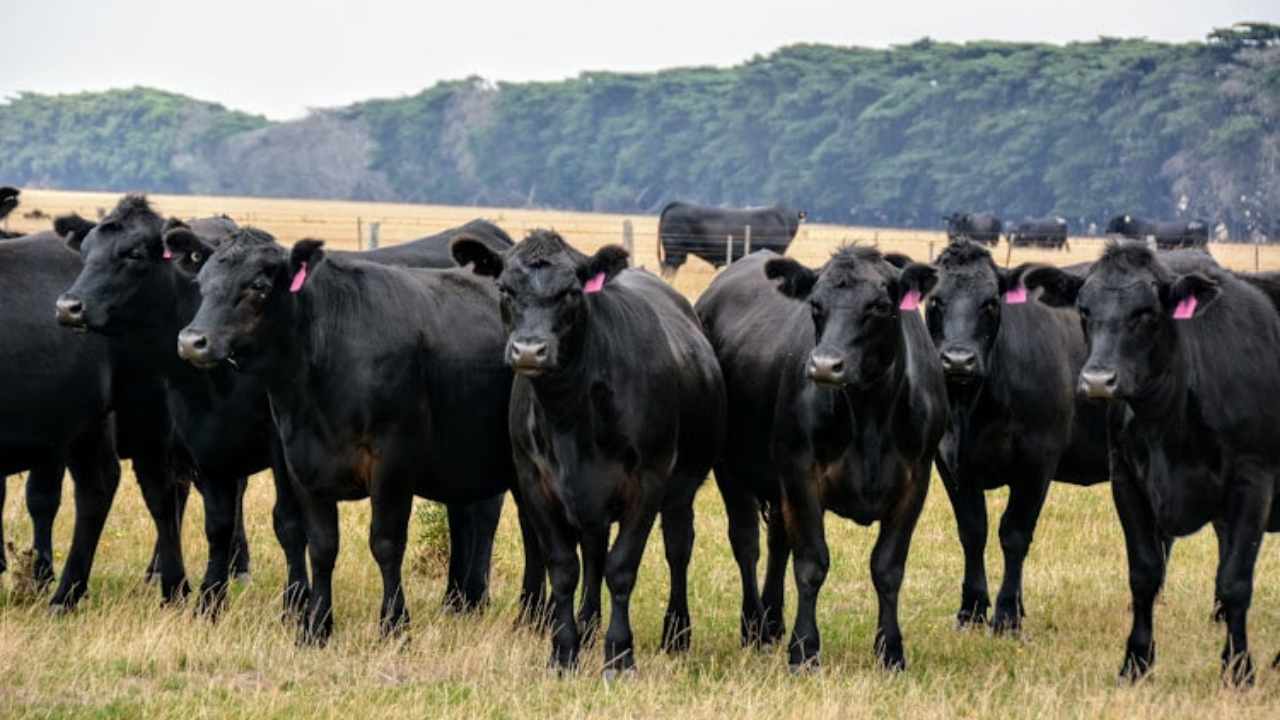
A new study reveals that one-third of the world's farmland is responsible for two-thirds of the damage to biodiversity and natural carbon storage from farming. The research, led by scientists from Leiden University, Oxford Martin School, and China Agricultural University, examines the environmental impact of food production in greater detail than previous studies. The study shows that the damage is concentrated in specific regions and linked to a small number of food products, particularly beef and dairy.
Agriculture now covers more than 40% of the Earth's habitable land, resulting in the permanent loss of 300 billion tonnes of stored carbon, equivalent to 140 years of agricultural emissions at current rates. Around 14% of the world's species are at risk of extinction due to land conversion for farming. However, the damage is not evenly distributed across the globe.
The study identifies major environmental hotspots in South America, Central America, sub-Saharan Africa, South-East Asia, India, and China. These hotspots occur where farming overlaps with areas that are crucial for nature and carbon storage, such as tropical forests. When these areas are converted to farmland, both carbon storage and biodiversity are lost simultaneously.
Animal-based foods, such as beef and dairy, have a disproportionately large impact on environmental damage, causing eight times more carbon loss and 14 times more biodiversity loss per calorie compared to plant-based foods. Beef production is the largest contributor due to the large amounts of land required for grazing and feed cultivation. The researchers emphasize that individual food choices can have significant environmental consequences.
The study also highlights the role of international trade in shifting environmental damage between countries. About 18% of all agricultural carbon and biodiversity losses are linked to exported agricultural products. Brazil is the world's largest net exporter of carbon and biodiversity loss from agriculture, while China is the largest net importer.
The researchers argue that climate and nature policies should be more closely connected, as both problems often arise from the same piece of farmland. By targeting a relatively small share of agricultural land, significant benefits for climate change and nature conservation can be achieved.
Written by urgent.news from Times of India's reporting — not their text. Machine-written — may contain errors; check the original before relying on it.