SPOTLIGHT: Cleft surgery is just one milestone in a much longer journey
Every three minutes, a child with a cleft lip or cleft palate is born somewhere in the world. While surgery can repair this, the real measure of success is a culmination of a very long journey that plays out in classrooms, on playgrounds, when photographs are taken, and within communities and workplaces.
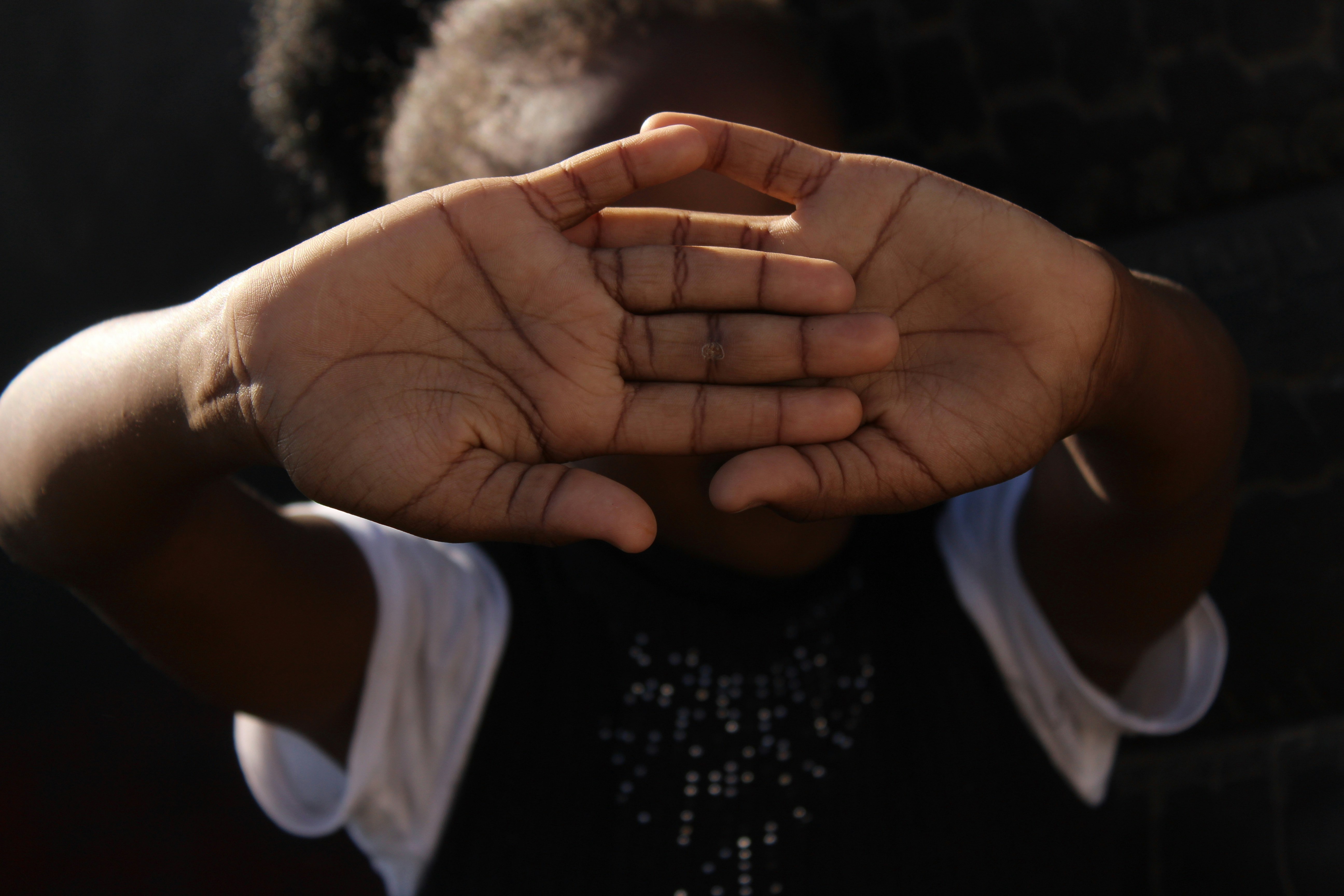
Every three minutes, a new life is born with a cleft lip or palate across the globe. Though surgical repair can address the physical gap, true success is measured by the journey that unfolds beyond the operating room. For families, the moment of surgery is a cause for celebration after months or even years of waiting, especially for those reliant on South Africa's public healthcare system.
At SECTION27, a public interest law centre, I have witnessed firsthand the frustration families face when struggling to access necessary healthcare services. In some cases, we cannot provide assistance, such as when a client sought help in obtaining surgery.
However, my conversation with parents after their child's surgery revealed a profound truth. While they were no longer consumed by their child's physical appearance, their concerns shifted to the child's self-perception, growing up, and explaining their condition to others. This realization shed light on the fact that cleft conditions are often perceived through a cosmetic lens, overlooking the broader challenges faced by individuals with such conditions.
Cleft lip and palate affect approximately 0.3 out of every 1,000 babies born alive, but the prevalence varies significantly across provinces, ranging from 0.1 to 1.2 per 1,000. Sadly, about nine out of every ten individuals in low-income countries lack access to the basic surgical care needed to treat the condition.
Yet, surgery is merely one milestone in a much longer journey for children born with cleft lip and palate or other craniofacial conditions. The challenges extend beyond physical repair to include feeding difficulties, speech and hearing challenges, dental and orthodontic care, emotional wellbeing, and social acceptance. Comprehensive care is essential to ensure children grow with confidence and dignity, allowing them to realize their full potential.
Surgical care alone cannot teach a child to pronounce their name confidently or guarantee they will hear clearly in a classroom without fear of judgment. Genuine comprehensive care goes far beyond the operating theatre, encompassing nutritional support, speech therapy, hearing assessments, dental and orthodontic treatment, psychosocial support, and ongoing follow-up with specialized healthcare professionals.
Unfortunately, comprehensive cleft care is not experienced uniformly across South Africa. It depends on a child's location, the availability of specialist services nearby, and the ability of other organizations to step in when the healthcare system falls short. While partnerships between government, healthcare professionals, and civil society organizations have expanded access to care, they should strengthen rather than substitute a healthcare system that consistently provides comprehensive care to every child in need.
Everyone deserves equal opportunity to thrive, regardless of where they are born. A child born in Mthatha, in rural Eastern Cape, should have the same chance to succeed as one born in Johannesburg, in Gauteng. Families should not have to travel long distances to access essential services such as speech therapy, audiology, or orthodontic care.
South Africa's Constitution guarantees the right to access healthcare services and prioritizes the best interests of children. These constitutional commitments extend beyond the operating room, requiring continuous rehabilitation, therapy, and multidisciplinary support as children grow and their needs change. Meaningful healthcare access must include the continuity of care necessary for children to eat, speak, hear, learn, and participate fully in society.
However, achieving this remains a significant challenge for many families, particularly those living in under-resourced communities. Follow-up appointments often require extensive travel, while accessing speech therapy, audiology services, orthodontic care, and specialized multidisciplinary teams remains uneven across provinces. Transport costs, time away from work, and financial constraints can become barriers to accessing the care that determines whether surgery achieves its full potential.
While some evidence suggests that even when patients reach specialized care centers, not all necessary types of support are provided. Comprehensive care for children born with cleft lip and palate or other craniofacial conditions is vital, and it should be accessible to every child, regardless of their geographical location.
Written by urgent.news from Daily Maverick's reporting — not their text. Machine-written — may contain errors; check the original before relying on it.