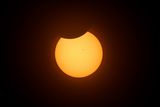
Spain prepares for rare total solar eclipse
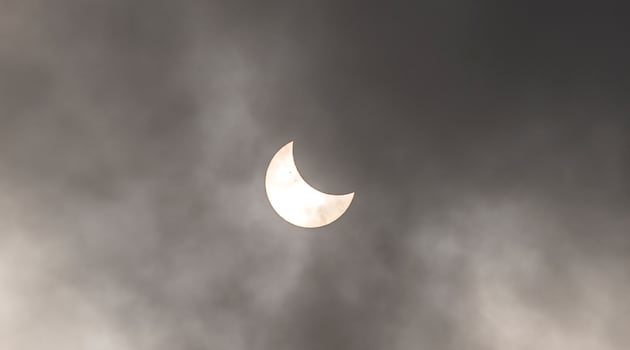
We’re just hours away from a rare total solar eclipse, with parts of northern Spain set to briefly turn from day to night as the Moon blocks out the Sun. Millions more will see a partial eclipse across Europe, Canada, the northern US and northwest Africa. But beyond the spectacle, eclipses also offer scientists valuable insights into the Sun and our universe. France 24 correspondent Sarah Morris…

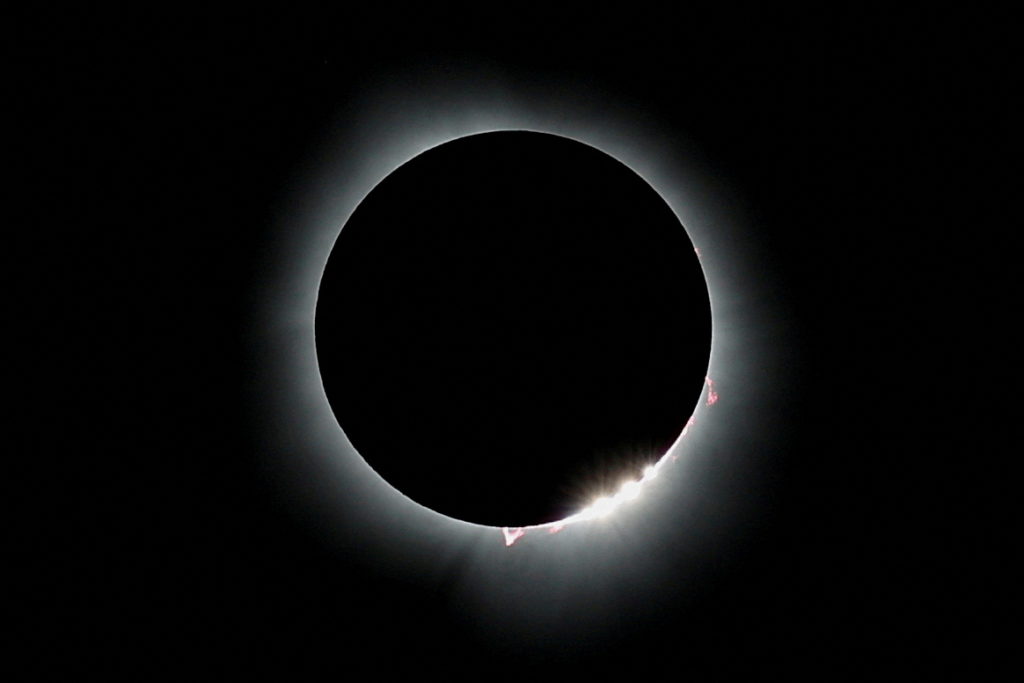
On Wednesday evening, a rare total solar eclipse swept across Europe, casting twilight-like conditions over parts of the continent and plunging Spain into darkness. The celestial event began in northwestern Spain's port city of A Coruña, where thousands gathered to witness the moon slowly covering the sun for a minute and a half. The total eclipse, visible across a narrow strip just under 300 kilometers wide, stretched south-eastwards to the Balearic Islands, including Mallorca. Portugal also experienced the moon's umbra.
A partial eclipse was observable across other regions, starting near Alaska's Pacific coast. Millions of residents and tourists eagerly anticipated the total eclipse in Spain, with the last sighting on mainland Spanish soil occurring in 1905. The island of Mallorca saw a surge in visitors, causing traffic disruptions along the west coast, particularly in Sóller.
Hotels and private accommodations with unobstructed views of the western horizon were in high demand, with some rentals costing several hundred euros. The Spanish government deployed over 33,000 police officers and Civil Guard personnel and distributed two million certified eclipse glasses to ensure safety during the event.
Written by urgent.news from Qatar Tribune's reporting — not their text. Machine-written — may contain errors; check the original before relying on it.
This story
This is one outlet's version. Read the fullest account.
- Rare solar eclipse crosses Europe, bringing total darkness to Spain qatar-tribune.com
- Spain readies for rare solar eclipse, concern over heat and wildfires grows globalnews.ca
- The moment of the total solar eclipse in Spain france24.com
- 'Magical eeriness': Spain, Iceland witness spectacular total solar eclipse; watch timesofindia.indiatimes.com