Some Nebraska communities are cashing in on renewables. Others are being left behind.
More than 88 percent of the taxes on wind and solar went to just 10 of the state’s 93 counties.
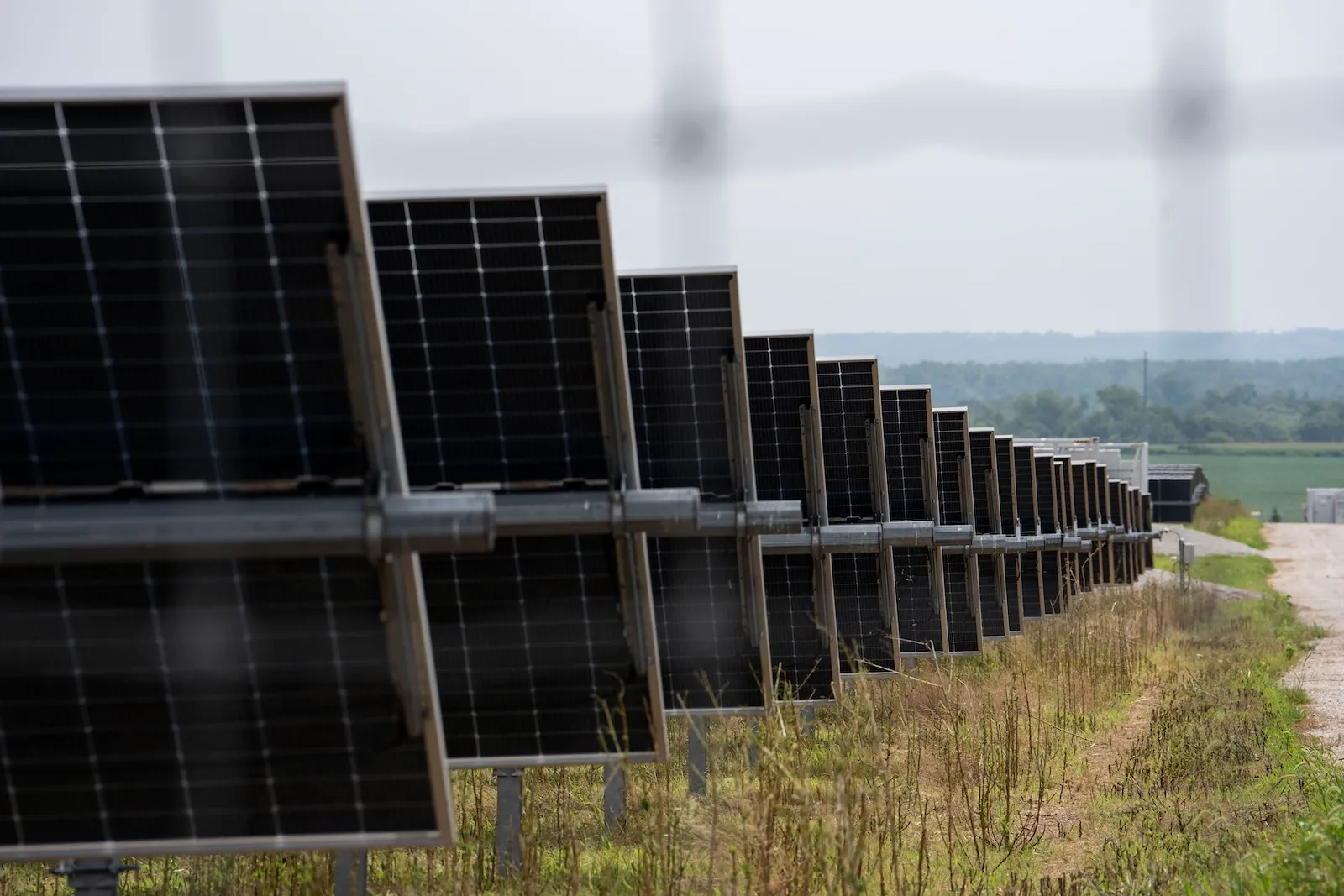
Some Nebraska communities are profiting from renewable energy projects while others are struggling due to restrictive regulations. In 2017, the O’Neill Public School District's expansion project received a substantial boost from taxes on renewable energy developments, which helped offset the $13.2 million cost. The Nebraska excise tax, or nameplate capacity tax, requires qualifying renewable energy facilities to pay $3,518 per megawatt annually.
This revenue is distributed to counties to support their local budgets and essential services. Over the past decade, the tax has generated over $13.6 million, but it is unevenly distributed. More than 88% of the money has gone to just 10 of the 93 counties. Lawmakers have proposed increasing the tax rate but failed to do so. However, they did pass a bill expanding the tax to include battery energy storage developments.
Some counties have enacted strict regulations on renewable energy projects due to concerns about property values, noise, health, safety, and fire risks. Despite this, renewable energy projects can help manage power demand and spur economic growth in areas where land is not productive, according to John Hansen, president of the Nebraska Farmers Union.
The Omaha Public Power District is taking an "all-of-the-above" approach to energy development, balancing coal, natural gas, and renewables to meet growing demand.
Written by urgent.news from Grist's reporting — not their text. Machine-written — may contain errors; check the original before relying on it.