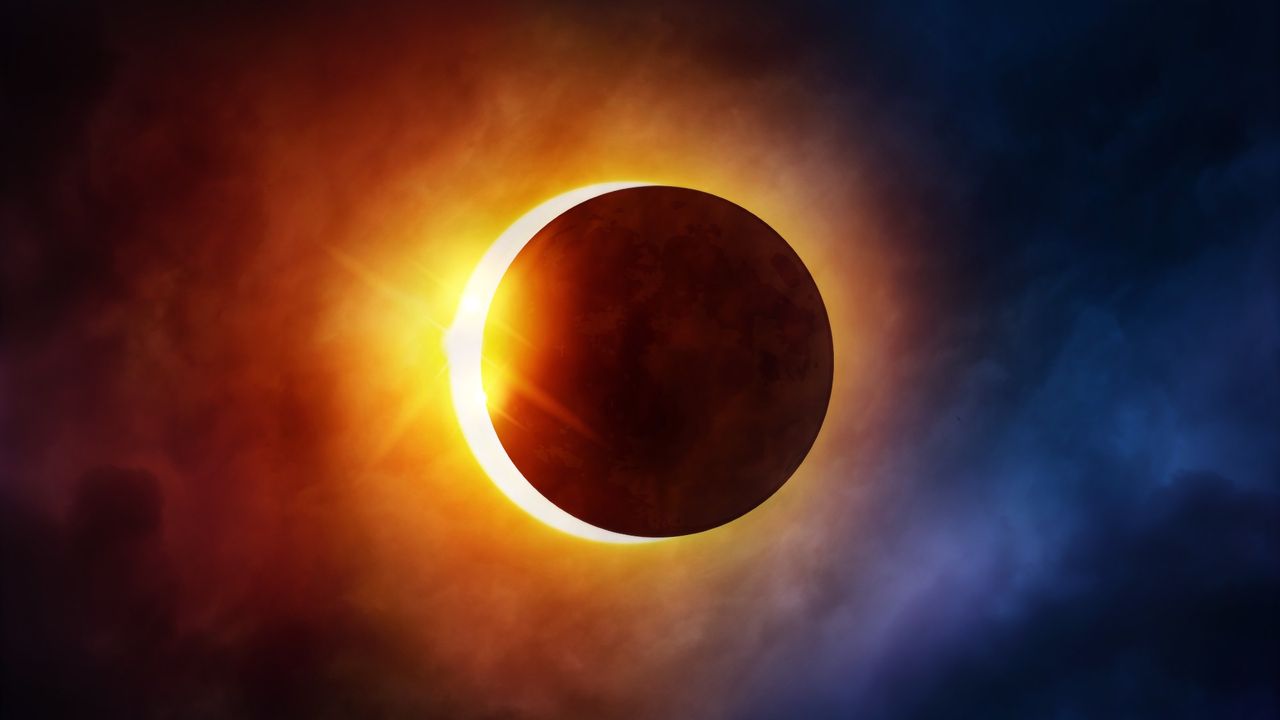
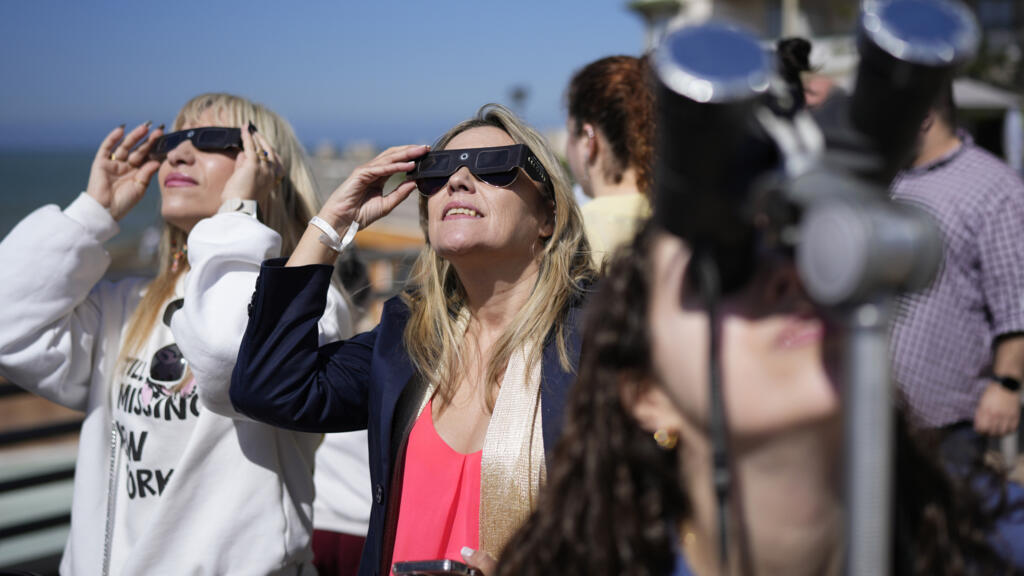
Skywatchers gather in Europe to see total solar eclipse
This will be mainland Europe's first total eclipse since 2006, and the first in mainland Spain since 1900.
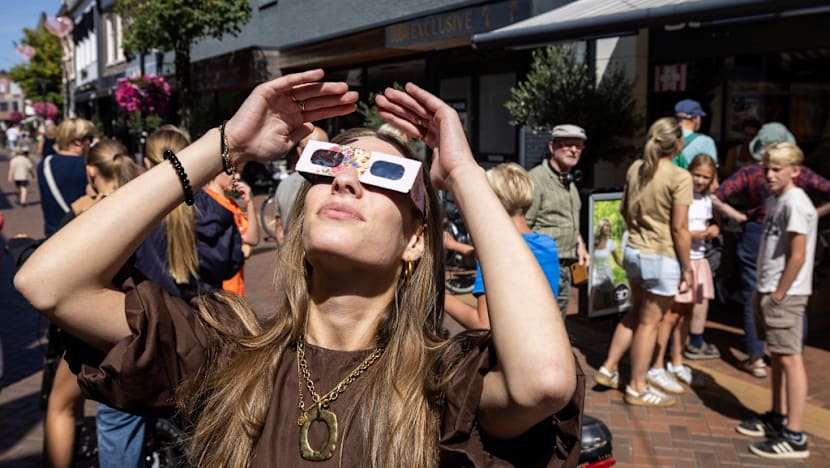
Mainland Europe experiences its first total solar eclipse in over two decades, with the first in mainland Spain occurring in 1900. On August 12, 2023, skygazing tourists flooded typically quiet Spanish villages in anticipation of the rare event. The moon's shadow began in Russia's remote Arctic north at 5pm GMT (1am Singapore time) and traversed Greenland and Iceland before reaching Spain.
The total eclipse, best viewed in Spain, traversed the country diagonally from the northern Atlantic coast to the Mediterranean Sea, ending around 1830 GMT.
Science teacher Ana Cots, who traveled from the United States, anticipated sharing the experience with her students. Yenny Guevera, a 50-year-old Peruvian living in France, arrived early in Burgos despite arriving without accommodation. Solar physicist Lucie Green expressed her enthusiasm for witnessing the event from a boat off Mallorca. Millions more observers across Europe, Canada, the northern United States, and northwest Africa would witness a partial eclipse.
Throughout history, eclipses have evoked awe, fear, and reverence as they create a strange twilight, causing temperatures to drop, shadows to appear at unusual angles, and some animals to sleep. However, the phenomenon is fleeting, lasting less than two minutes in Spain. In Russia and Greenland, it lasts slightly longer but still under two-and-a-half minutes. The partial eclipse will endure about one hour and 45 minutes.
Scientists view this phenomenon as an opportunity to study the Sun's atmosphere and its outermost layer, seeking insights into solar winds and our star's magnetic field. Eclipses have historically captivated humanity, and this event will provide a rare opportunity for researchers. Madrid's AEMET forecast clear skies for most of Spain, though there were concerns about rain and clouds affecting the Westfjords region of Iceland and Reykjavik's first total eclipse since 1433.
The path of totality is narrow, only a couple of hundred kilometers wide, making Spain's location especially unique. Local businesses anticipate a net contribution of 347 million euros (US$400 million) to the economy, with over 446,000 additional tourists. However, extreme heat and wildfire risks loom due to the influx of people and potential traffic congestion.
Written by urgent.news from Channel News Asia's reporting — not their text. Machine-written — may contain errors; check the original before relying on it.