Sabah's Queen Elizabeth Hospital to introduce transplant services
KOTA KINABALU: Queen Elizabeth Hospital (HQE) plans to introduce organ transplant services at the hospital.
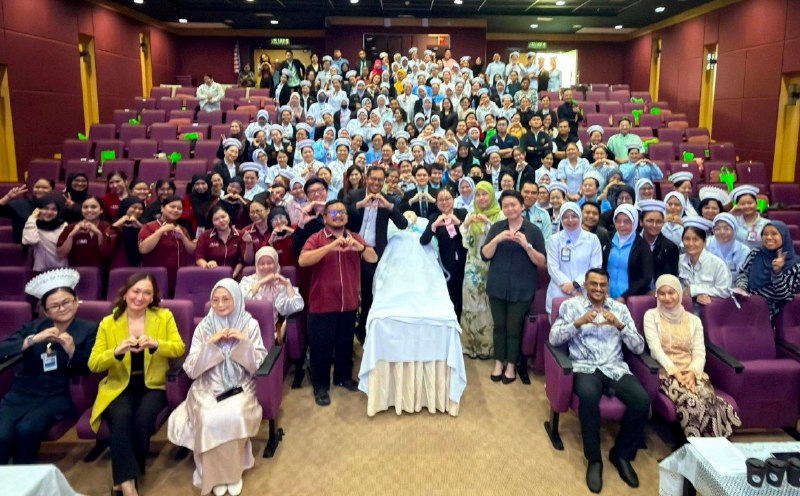
Queen Elizabeth Hospital in Sabah plans to introduce organ transplant services, aiming to improve access for local patients. The government hospital seeks to provide transplant procedures and follow-up care in Kota Kinabalu, avoiding reliance solely on transplant centres in Peninsular Malaysia. Donated organs and tissues from Sabah, such as livers, kidneys, heart valves, bones, and skin, must currently be flown to Kuala Lumpur due to limited local resources and expertise.
Patients from Sabah requiring organ transplants also face travel and financial challenges by needing to travel to Kuala Lumpur for treatment. The development of transplant services is crucial for enhancing access and equity in transplantation services for Sabah's population, as stated by the HQE Transplant Resource Centre. Since 2000, 55 deceased organ donors have been recorded in Sabah, with most donations coming from HQE.
This year, Sabah has recorded six donation cases, with four from HQE and one each from Queen Elizabeth II Hospital and Beaufort Hospital. Public awareness of organ donation in Sabah is relatively low, with only 23,500 registered donors compared to 434,550 nationwide. To strengthen awareness, 23,500 Sabahans can register as organ donors through the MySejahtera application.
Healthcare professionals play a crucial role in the organ donation process, identifying potential donors, assessing suitability, and communicating with family members sensitively. Organ donation is considered only after all efforts to save the patient have been exhausted, giving families the chance to help save or improve other patients' lives through donation.
HQE plans to conduct the Organ Donation Seminar 2026 to improve healthcare professionals' knowledge of organ donation, empower them to provide accurate information, and address misconceptions and negative perceptions surrounding the topic.
Written by urgent.news from New Straits Times's reporting — not their text. Machine-written — may contain errors; check the original before relying on it.