Russian startup claims it could produce silicon wafers in five minutes instead of two weeks, but trillion-dollar IMEC doesn't have to worry
A Russian startup has tested a multicathode electron source promising faster wafer exposure, though its complete lithograph remains years away.
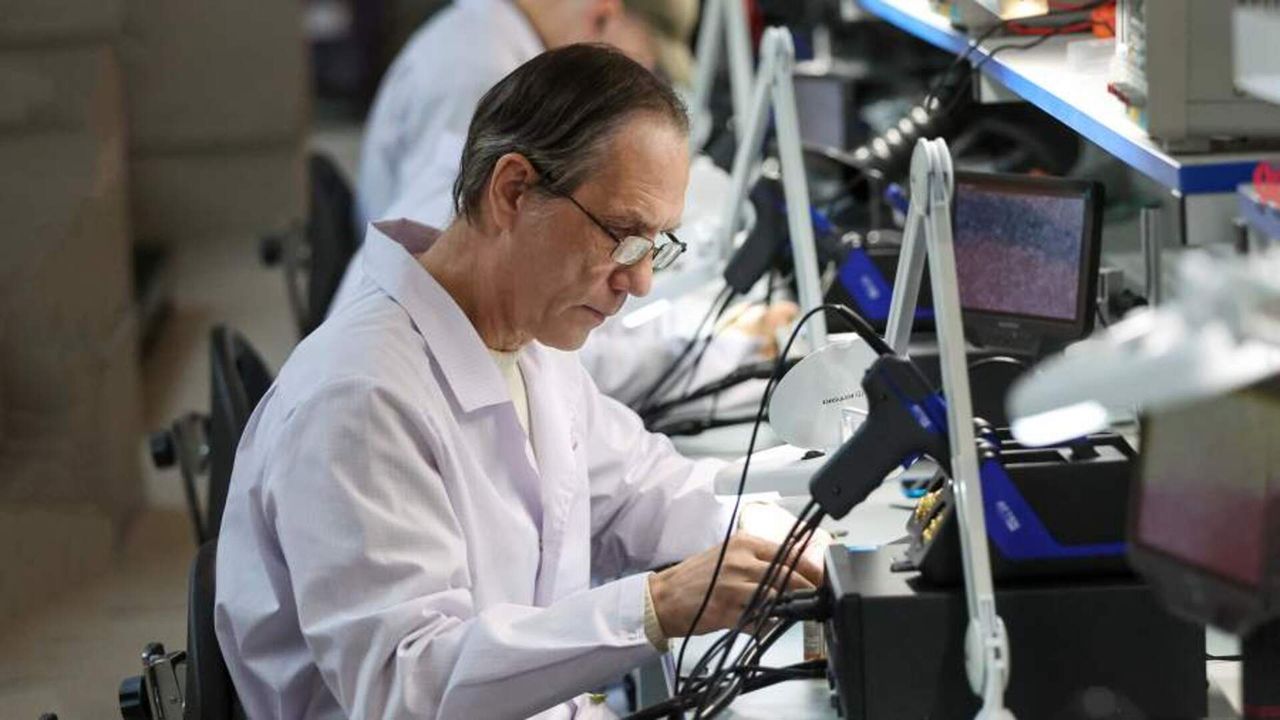
A Russian startup has unveiled a multicathode designed to dramatically speed up the manufacturing of microchips. The innovative technology could theoretically produce silicon wafers in just five to seven minutes, compared to the current two-week process for older single-beam machines.
Headed by engineer Evgeny Givargizov, the multicathode project generates multiple electron beams at once, boasting tip radii as narrow as 1.5 to 2 nanometers. Unlike foreign multipath systems that rely on complex beam-splitting optics, the Russian design creates these independent electron sources directly on one substrate, which could lower engineering complexity and costs.
The multicathode breakthrough was first revealed at the Strong Ideas for Modern Times forum. However, developers have stressed that this is merely the electron-beam source component of a larger lithography machine. No final lithography machine currently exists, as the project is still in the research stage.
Microelectronics expert Sergey Sazonov sees promise in the technology, provided multicathode control remains reliable at scale. However, engineering specialist Sergey Varnavsky warns that significant hurdles remain. Varnavsky noted that only the multicathode component currently functions, and that ongoing funding delays could allow competing technologies abroad to surpass Russia's progress before an industrial lithograph reaches production.
Written by urgent.news from TechRadar's reporting — not their text. Machine-written — may contain errors; check the original before relying on it.