Rising obesity among Indian women underscores need for preconception interventions
Identifying and addressing health risks in both prospective parents could improve reproductive and pregnancy outcomes, experts say
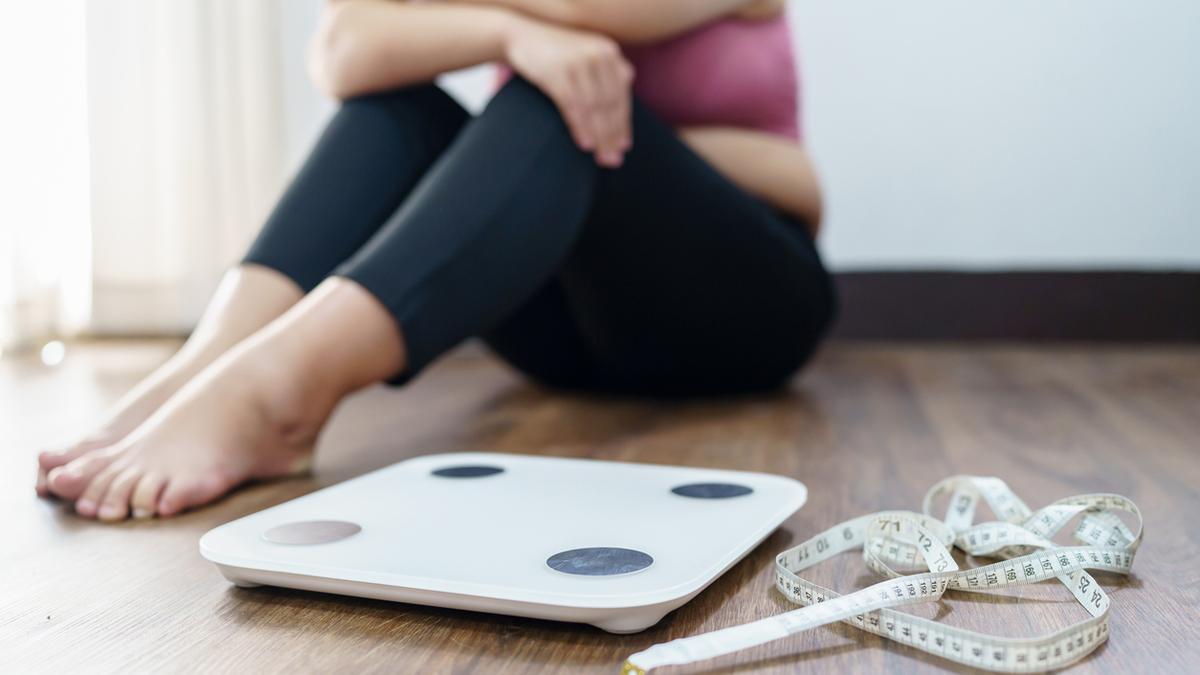
Nearly one-third of Indian women aged 15-49 are now classified as overweight or obese, according to data from the Central government. This figure, reported in the latest National Family Health Survey (NFHS-6), marks a significant increase from just one in four women in 2019-21. The rising rate of obesity among Indian women has sparked concern among health experts, who are now placing greater emphasis on preconception interventions to address the associated lifestyle-related disorders.
These disorders can negatively impact fertility and pregnancy outcomes. Doctors and health practitioners are increasingly focusing on the period before pregnancy, highlighting the importance of identifying and addressing health risks in both prospective parents. The traditional Ayurvedic system has recognized this need for "garbhadana samskara," a pre-conception regimen designed to prepare individuals physically and mentally before conception.
Such a program is now being offered at the SDM College of Ayurveda and Hospital in Udupi, Karnataka, where Mamatha K.V., a senior obstetrician, oversees the pre-conception counselling and care for couples from across South India. This approach, described by Dr. Mamatha as "conscious preparation for conception," involves a comprehensive assessment of both partners' health, along with personalized advice on diet, lifestyle, and other factors that can impact reproductive health.
The process aims to address risks, review medications, tackle nutritional deficiencies, and promote healthier lifestyles before pregnancy. In Ayurvedic terms, conception is evaluated through four factors: ritu (appropriate fertile period), kshetra (healthy reproductive tract), beeja (healthy sperm and ovum), and ambu (adequate nourishment).
Pre-conception interventions are tailored according to these factors, incorporating dietary and lifestyle changes, and, when appropriate, traditional therapies.
Written by urgent.news from The Hindu - Sci-Tech's reporting — not their text. Machine-written — may contain errors; check the original before relying on it.
This story
This is one outlet's version. Read the fullest account.