Regional action is a must to combat human trafficking
Rather than delivering justice to victims, authorities have normalized, and often downplayed, their suffering, frequently misclassifying victims as perpetrators.
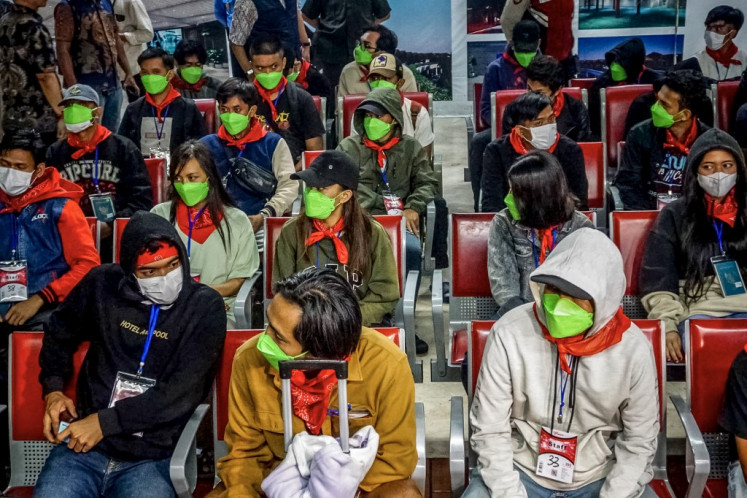
Indonesian authorities have failed to address the growing issue of human trafficking, particularly modern forms of forced criminality, according to reports. The government's lack of resolve and inadequate legal frameworks have allowed the crisis to worsen. As of late 2024, over 166,000 Indonesians were residing in Cambodia without valid residence permits, and 291 Indonesian nationals died there between 2020 and August 2025.
The majority of victims are young people entangled in online scamming operations. Despite these alarming figures, the government has not taken sufficient action to dismantle transnational criminal syndicates responsible for these crimes. The National Action Plan for the Prevention and Eradication of Human Trafficking expired in 2024 and has not been updated, while the core legal framework, Law No. 21/2007, is unable to tackle contemporary trafficking tactics.
Budget cuts have further weakened local efforts to combat trafficking, leaving victims with little recourse. The nature of human trafficking has evolved, with forced criminality—a scheme that coerces victims into committing digital fraud—spiking during and after the COVID-19 pandemic. Young, educated jobseekers are now particularly vulnerable to sophisticated cyber-trafficking networks.
Traditional sectors such as domestic work, palm oil, mining, and marine fisheries continue to harbor modern slavery practices.
Written by urgent.news from The Jakarta Post's reporting — not their text. Machine-written — may contain errors; check the original before relying on it.