Pumas Might Be Making Your Drive Home Safer. When the Predators Are Around, Deer Tend to Avoid Roads, Preventing Some Collisions
In Washington’s Olympic Peninsula, the wild cats’ presence corresponded with a 67 percent drop in the likelihood of a deer-vehicle crash and a 76 percent overall decline in the number of wrecks during a five-year period, according to a new study
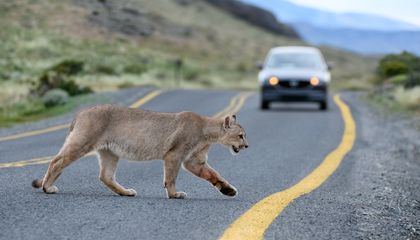
The presence of mountain lions, also known as pumas, cougars, or panthers, might contribute to safer driving conditions by altering the behavior of deer, according to a study published in the journal Current Biology. Researchers discovered that when mountain lions are nearby, deer tend to avoid roadways, resulting in a 67% reduction in the likelihood of deer-vehicle collisions and a 76% overall decrease in the number of crashes over a five-year period in Washington state.
This reduction in collisions not only enhances road safety but also eliminates the need for free wildlife management services provided by these predators. The study analyzed data from five Native American communities' wildlife monitoring programs in the Olympic Peninsula, home to both black-tailed deer and mountain lions. By examining camera trap data and GPS collared pumas, researchers mapped wildlife-vehicle collision rates and found that when mountain lions were present, deer were more likely to venture into deeper forested areas, away from roads and human settlements.
This shift in behavior is likely due to the mountain lion's hunting tactics, which favor ambush strategies in fragmented habitats near roads and urban areas. The findings suggest that mountain lions may provide valuable ecosystem services, including reducing road accidents, in various regions with dense forests, roads, and surrounding forests.
Written by urgent.news from Smithsonian's reporting — not their text. Machine-written — may contain errors; check the original before relying on it.