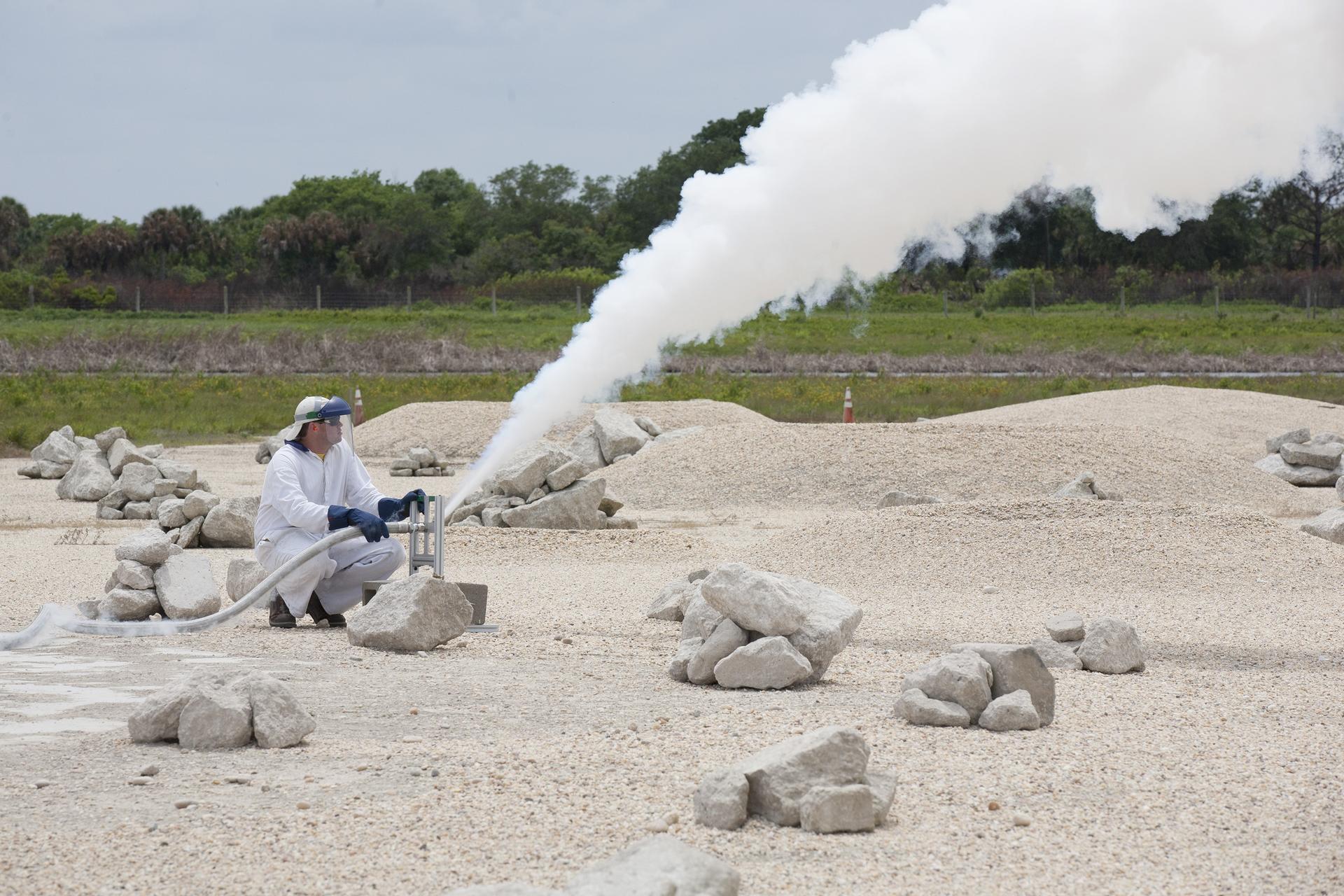
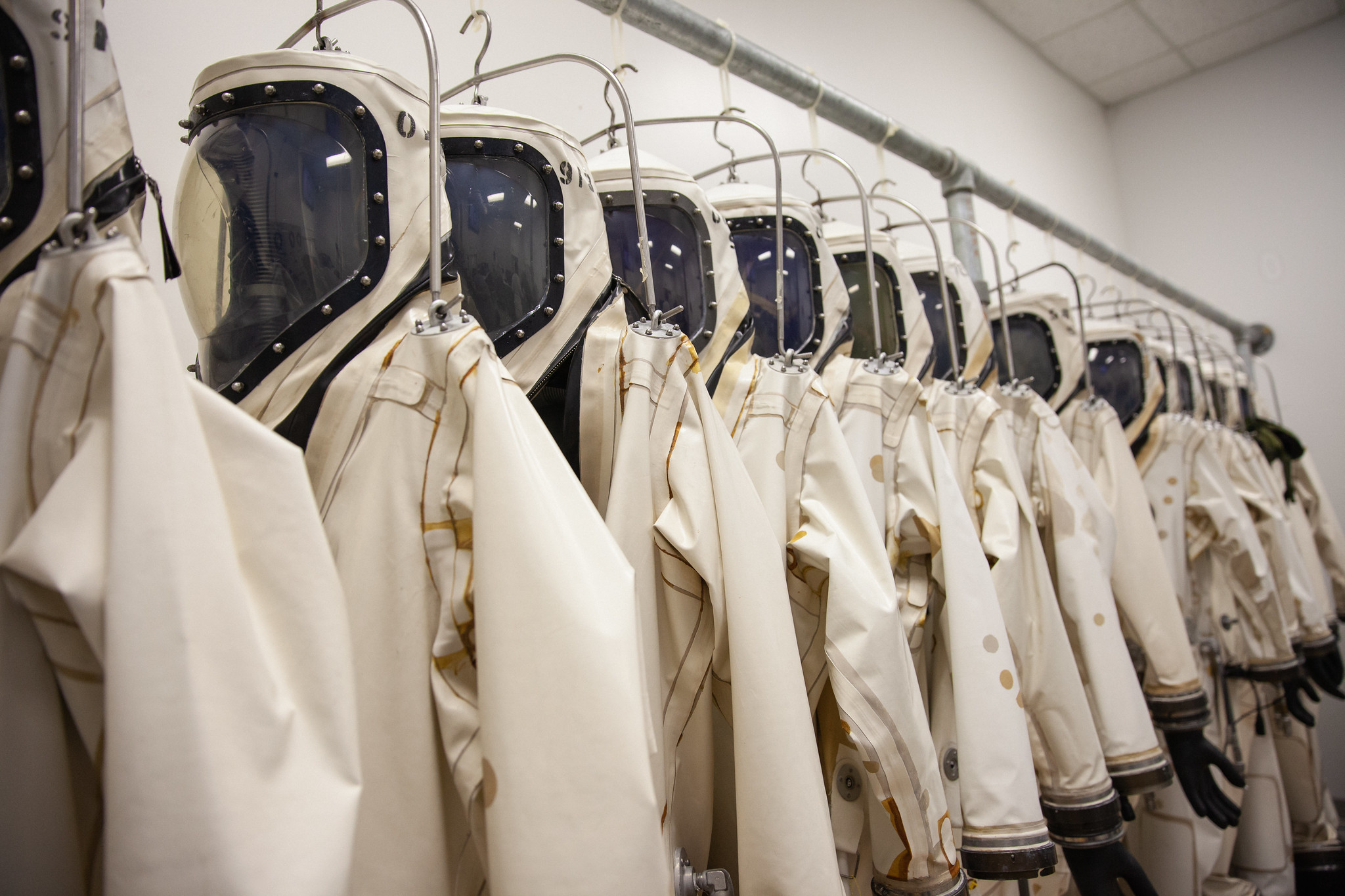
Propellant Containers
N2O4 Cylinder The one-ton N2O4 cylinder is constructed from 304 SS and has built-in valves and a dip tubes for loading and off-loading by pressurant gas. These cylinders are “standard issue” containers for Defense Energy Supply Center (DESC) at the KSC-CCSFS Defense Fuels Supply Point (DFSP). N2O4 low-iron MON-10 is typically delivered in this type of cylinder. This […] The post Propellant…
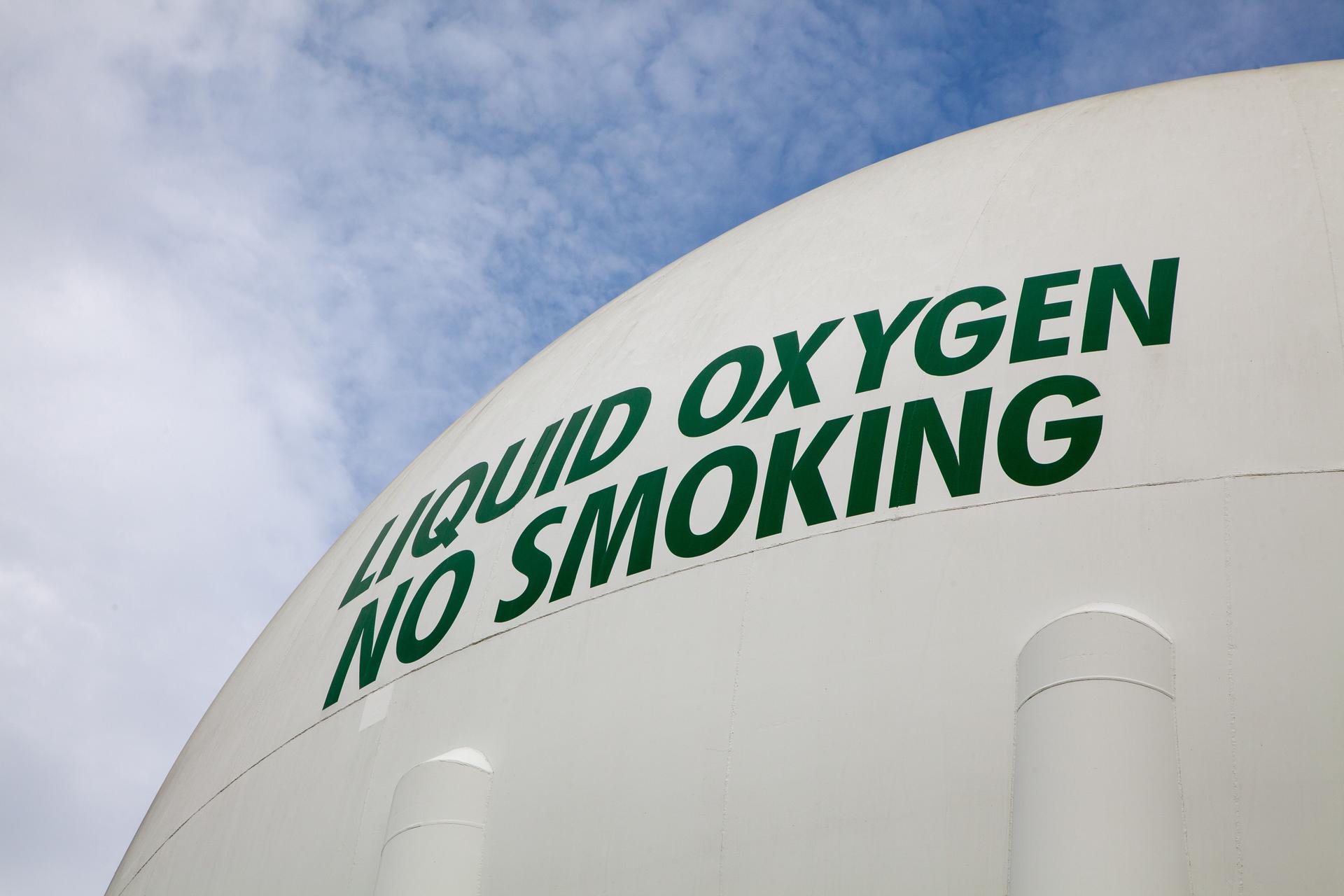
The one-ton N2O4 cylinder, made of 304 stainless steel, features built-in valves and dip tubes for efficient loading and off-loading by pressurant gas. These standard issue containers are supplied by the Defense Energy Supply Center (DESC) at the Kennedy Space Center - Center for Commercial Storm Fuel Supply Point (CCSFS). The N2O4 low-iron MON-10 is commonly delivered in this type of cylinder and is used to return solutions to manufacturers for recycling.
While the DESC DFSP can deliver all N2O4 grades in a DOT110 cylinder, DOT4BW cylinders are preferred for their ease of operation in smaller delivery requirements. DOT4BW stands for the Department of Transportation design specification under which these containers fall, despite not being an authorized material for this classification.
These cylinders, similar to propane tanks, are covered by exemptions to existing DOT specifications primarily due to their 304L stainless steel construction. The KSC/CCAFS cylinder fleet typically remains in the area but can be transported cross-country when necessary to support NASA missions. GPTUs, or multipurpose portable tanks, are also used for propellant handling.
These tanks are pressure-loaded/off-loaded using helium or nitrogen as pressurant gases and can directly load spacecraft when connected to a propellant control panel. Made of 304L stainless steel and insulated by their double-tank design, there are ten GPTUs available, routinely stocked in MMH, MPH, HPH, and N2O4 low iron MON-3 service. These GPTUs are available to commercial and DOD programs on a non-interference basis.
Written by urgent.news from NASA Science's reporting — not their text. Machine-written — may contain errors; check the original before relying on it.