Photos, memes, and conspiracies out of the 2026 solar eclipse
A total solar eclipse passed over Europe for the first time in decades. Did you catch it?
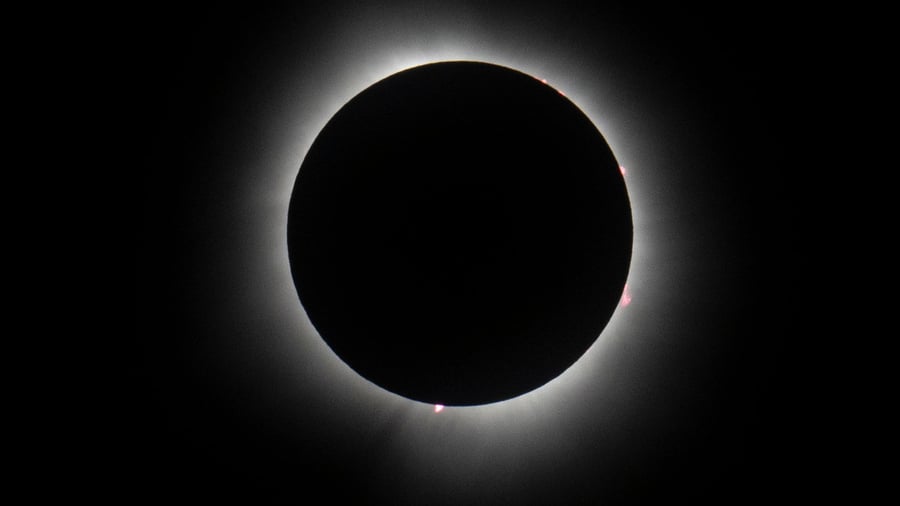
For the first time in 27 years, mainland Europe experienced a total solar eclipse, allowing people to witness the moon completely block out the sun's rays. This phenomenon, known as totality, was observed in Iceland around 1:49 p.m. ET, with the shadow continuing westward toward Spain, where a corona, or glowing solar band, could be seen around 2:30 p.m. ET.
Those outside of mainland Europe could observe a partial solar eclipse, featuring a crescent-shaped shadow over the sun for a brief period in the afternoon. People in 26 states and Washington, D.C., were able to witness this event, with the best view occurring at higher latitudes.
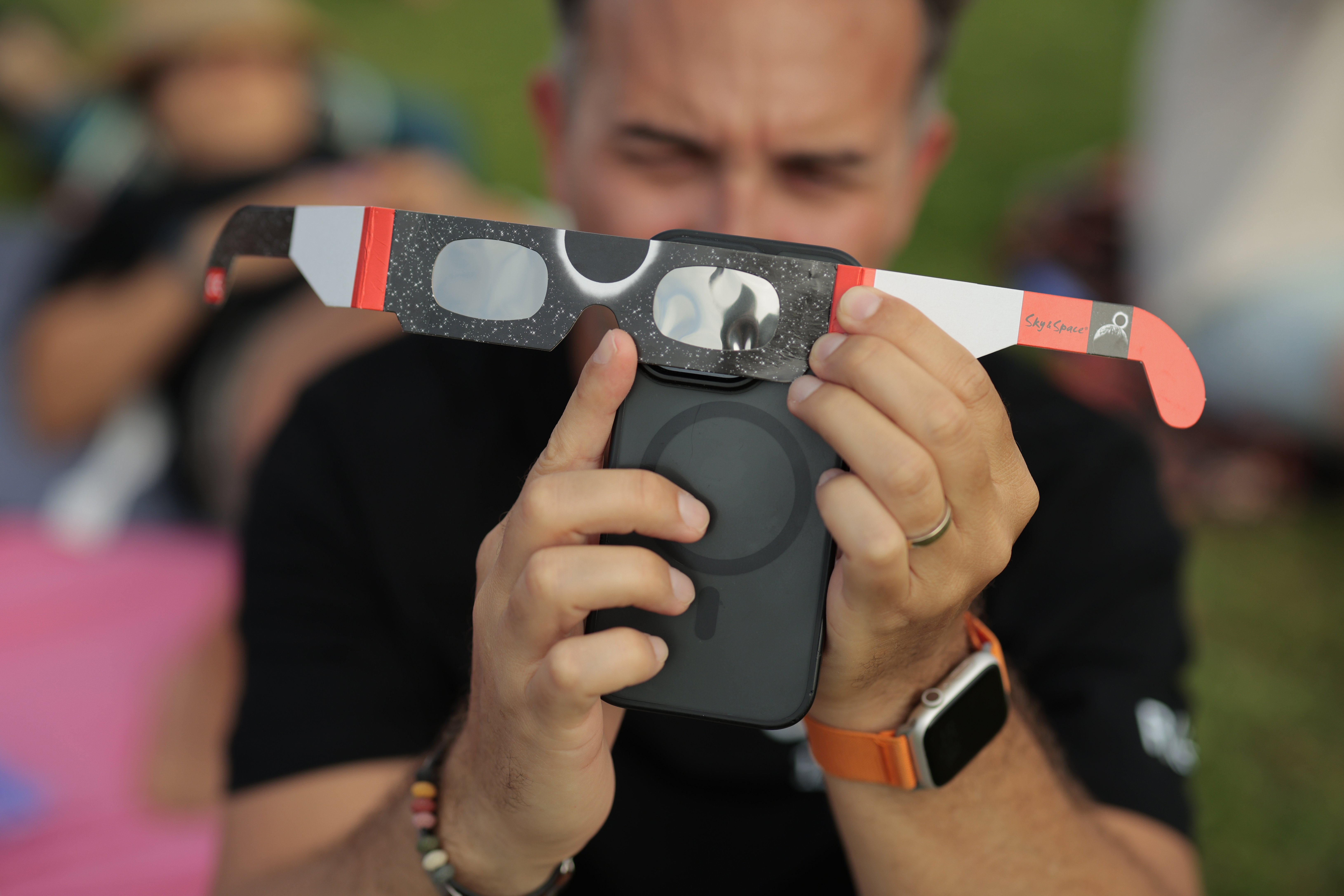
The eclipse also coincided with a perfect alignment of six planets, the start of a new moon phase, and a meteor shower for those with clear skies. Government-issued eclipse glasses were essential for safely viewing the eclipse, leading to a scramble to obtain them. Those without access to free glasses faced a challenging search for protective eyewear in the online market.
The hype surrounding the eclipse seemed to pervade social media, with many people believing that total eclipses were more common than they actually are. However, this was not the case; total eclipses are indeed rare. Despite this, the excitement surrounding the celestial event was palpable.
Written by urgent.news from Mashable's reporting — not their text. Machine-written — may contain errors; check the original before relying on it.