On this day in space! Aug. 12, 2005: Mars Reconnaissance Orbiter launched
On Aug. 12, 2005, NASA launched its Mars Reconnaissance Orbiter (MRO) mission.
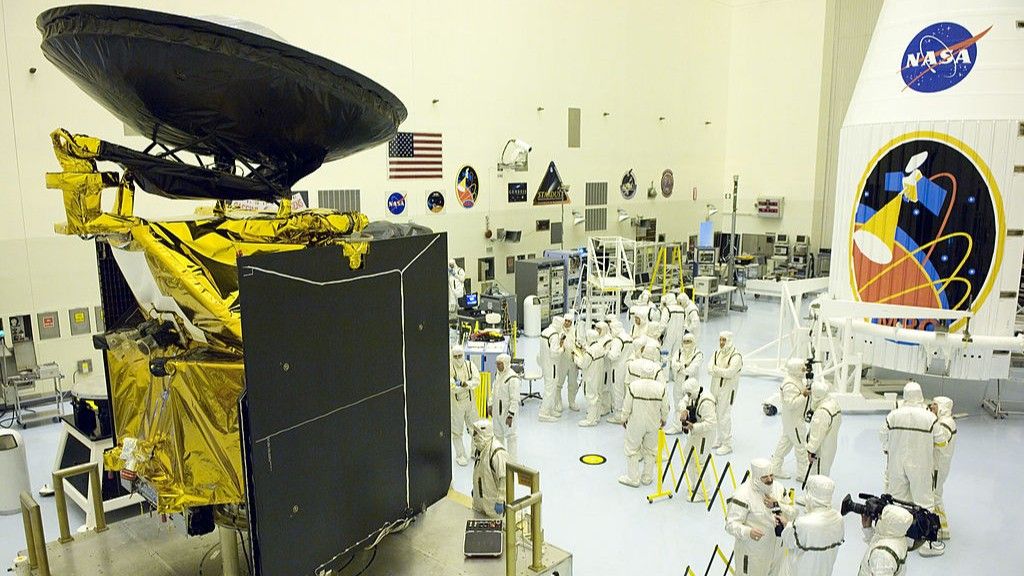
On August 12, 2005, NASA embarked on a historic mission as it launched the Mars Reconnaissance Orbiter (MRO) from Space Launch Complex 41 at Cape Canaveral Air Force Station in Florida. This unmanned spacecraft, equipped with some of the most advanced cameras ever sent into space, has captured breathtaking images of the Martian surface.
The High-Resolution Imaging Science Experiment (HiRISE) camera on MRO is a standout feature, providing exceptionally detailed views of Mars. This high-tech instrument has been instrumental in helping NASA identify potential landing sites for rovers like Curiosity. Additionally, MRO has become a vital data relay station for other spacecraft exploring Mars, ensuring seamless communication between Earth and Mars-based probes.
MRO's contributions extend beyond photography; it has also studied water and ice on the Red Planet. By capturing stunning images of diverse landscapes, MRO revealed intricate geological features that were previously unknown. Its high-resolution imagery allows scientists to examine objects as small as 3 feet (1 meter) across.
Since entering orbit around Mars on March 10, 2006, MRO has amassed over 100,000 images, contributing significantly to our understanding of the planet's geology. The orbiter's discoveries have ranged from migrating dunes and impact craters to dust storms and seasonal frost changes. Even more impressively, MRO has managed to strengthen its SHARAD radar signal by 10 times or more, enabling it to probe deeper than 1 mile (1.6 kilometers) underground.
MRO's role as a communications relay for Mars missions has grown increasingly important in recent years. After the retirement of NASA's MAVEN mission in June, MRO stepped in to maintain crucial communication links between Earth and the planet. Today, MRO continues to transmit around 80,000 megabits of data per day, solidifying its status as one of NASA's most critical assets orbiting Mars.
Written by urgent.news from Space.com's reporting — not their text. Machine-written — may contain errors; check the original before relying on it.