Oil prices rise after ship attacks, US-Iran talks deadlock
LONDON: Oil prices rose in volatile trade on Wednesday after attacks on two ships reinforced worries about disruptions to Middle East supplies and as talks to end the Iran war hit an impasse.
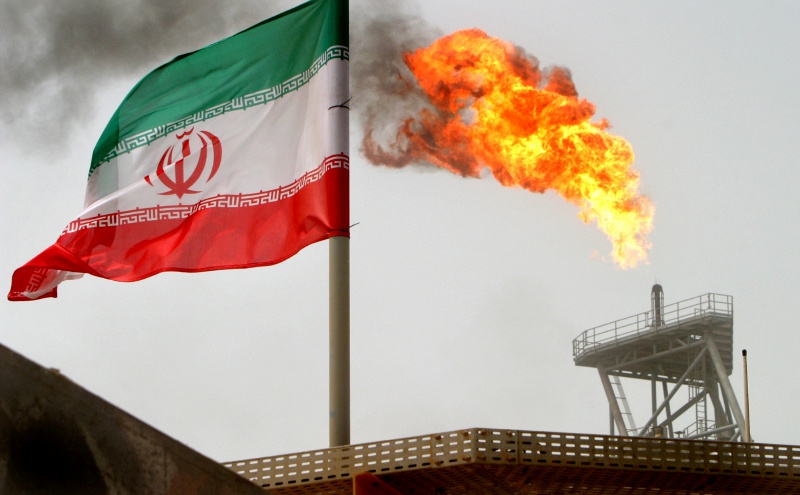
Oil prices climbed in unstable trading on Wednesday following assaults on two vessels, which heightened concerns about disruptions to Middle Eastern supplies and as negotiations to end the Iran conflict hit a stalemate. Brent futures increased by 17 cents, or 0.2 percent, to $89.08 a barrel by 10:55 GMT, continuing a six-day upward trend.
U.S. West Texas Intermediate (WTI) crude surged by 20 cents, or 0.2 percent, to $83.40, aiming for a fifth consecutive daily increase. Both contracts had earlier risen over $1 before briefly falling as attention shifted to U.S. crude inventory data, which industry sources suggested could have expanded. They regained momentum after an Iranian official informed Reuters that there were no talks between Iran and the U.S. to prolong their truce, as Tehran viewed the agreement as lacking a start date and therefore nothing to extend.
Two ships were targeted in the Middle East, including one in the Strait of Hormuz and another in the Bab el-Mandeb Strait, both crucial export routes for Middle Eastern oil and gas, as well as the Suez Canal. The U.S. and Yemen's Iran-aligned Houthis reported separate attacks on shipping on Tuesday. Shipping data revealed that the number of vessels passing through Hormuz fell to a one-week low of eight on Tuesday, down from the typical range of 125 to 140 vessels per day before the war.
U.S. crude inventory data, due later in the day, also drew investor focus. According to market sources citing American Petroleum Institute data, U.S. crude inventories increased sharply, while gasoline and distillate stocks fell. Crude stocks rose by approximately 9.1 million barrels, while gasoline and distillate inventories declined by 1.5 million barrels and 596,000 barrels, respectively, compared to the previous week, according to the sources.
The crude build significantly surpassed expectations and, if verified by the Energy Information Administration report at 10:30 a.m. ET (14:30 GMT), could alleviate market concerns about supply tightness, as noted by Haitong Futures in a note.
In Libya, the country's National Oil Corporation reported that all fires at fuel storage tanks in the Zawiya oil complex were under control, further easing upward price pressure. Regarding more extended supply concerns, the EIA anticipated significant disruptions to Middle Eastern crude supplies to persist through the end of 2027. The EIA projected that 2026 Brent crude oil prices would average $86.81 a barrel, and WTI would average $80.88.
Written by urgent.news from New Straits Times's reporting — not their text. Machine-written — may contain errors; check the original before relying on it.
Also reported by 1 other outlet
- Oil prices rise after ship attacks, US-Iran talks deadlock channelnewsasia.com