Oil prices rise after ship attacks, US-Iran talks deadlock
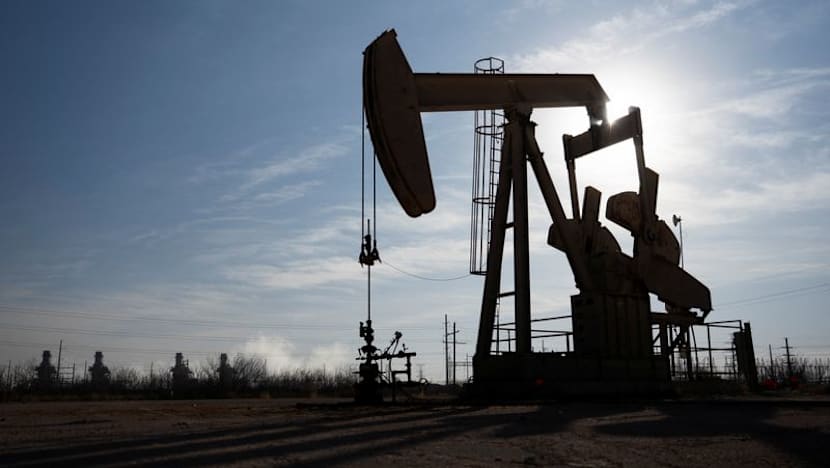
Oil prices edged higher on Wednesday amid ongoing attacks on ships in the Middle East and the failure of US-Iranian talks aimed at resolving the conflict. However, the gains were modest after forecasters revised downward global oil demand expectations for 2026. Brent futures climbed 7 cents to $88.98 a barrel, while U.S. West Texas Intermediate crude rose 7 cents to $83.27.
The price increase stemmed from an Iranian source indicating no ongoing negotiations between Iran and the United States to extend their ceasefire, as Tehran views the agreement as lacking a start date and thus no extension point.
The surge in oil prices reflects growing uncertainty among markets regarding the prospects of reaching an agreement to alleviate disruptions in crude supply from the region and avert further escalation of the conflict, according to Simon-Peter Massabni, head of business development at brokerage XS.com. Analysts express increasing doubt that an agreement can soon be reached to ease tensions or prevent another outbreak of hostilities.
On Tuesday, both the United States and Iran-aligned Houthis reported separate attacks on vessels in the Strait of Hormuz and the Bab el-Mandeb Strait, two vital export routes for Middle Eastern oil and gas, alongside the Suez Canal. Shipping data revealed the number of vessels transiting the Strait of Hormuz fell to a one-week low of eight, down from the typical range of 125 to 140 vessels daily prior to the war.
Oil demand outlooks were further dampened after OPEC and the International Energy Agency (IEA) cut their 2026 demand projections. OPEC revised downward its global oil demand growth forecast for 2026 to 580,000 barrels per day, while the IEA reduced its 2026 demand estimates by 1.6 million barrels per day. The IEA also anticipates a 4.3 million barrel drop in supply this year, resulting in a projected 2026 deficit of approximately 1.27 million barrels per day.
The demand cuts are seen as a logical response to the closure of the Strait of Hormuz, which has hindered refiners' ability to secure sufficient crude supplies, particularly in Asia. However, concerns remain about the durability of the demand decline and whether it represents a temporary adjustment or a permanent reduction in demand. Simon Wong, portfolio manager at Gabelli, notes that the extent to which demand will rebound after the war remains an open question.
Written by urgent.news from CNA - Business's reporting — not their text. Machine-written — may contain errors; check the original before relying on it.
This story
This is one outlet's version. Read the fullest account.