New Zealand's Luxon survives confidence vote after more leadership speculation
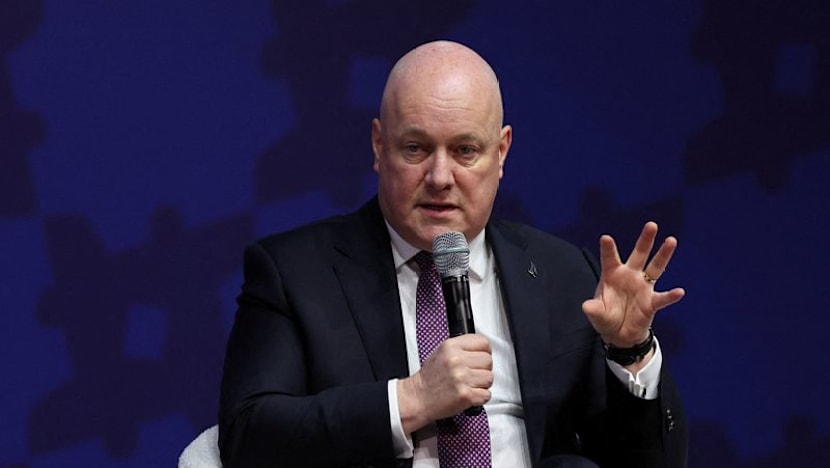
Wellington: New Zealand Prime Minister Christopher Luxon narrowly survived a confidence vote from National Party lawmakers on Wednesday, Aug 12. However, this was the second such challenge this year, revealing party divisions that could weaken his authority less than three months before the Nov 7 election. Luxon convened the National party's caucus following media reports of members discussing a potential leadership change, highlighting internal tensions as the center-right party grapples with low poll numbers. Following the meeting, Luxon delivered a 75-second statement and left without answering questions.
Luxon has faced two confidence votes in under a year, his second public test of support. The first took place in April, when he won the vote. Such votes are uncommon in New Zealand politics, where leadership disputes rarely become public. Luxon's leadership has been under scrutiny since a series of missteps, including a proposed referendum on the electoral system without party consultation and urging a business audience to "be adult" instead of relying on the government for help.
The 56-year-old former Air New Zealand chief executive has struggled to improve National's standing or his own popularity as the economy slows down.
A recent 1News Verian poll showed Luxon's preferred prime minister rating at 17%, a 1-point decrease. He still leads Chris Hipkins, the Labour Party leader, who saw a 1-point drop to 15%. Political commentator Neale Jones, a former Labour Party staffer, said the vote's outcome alone wouldn't erase the damage. Jones argued that it further undermines Luxon's authority as prime minister and leader, making it harder for National.
Labour's worst-case scenario would involve replacing Luxon and gaining an opportunity to reset their campaign before the election. Luxon, who took over the National Party in late 2021 and became prime minister in 2023, has attempted to address the economy's issues through ambitious reforms, including tax cuts, public spending adjustments, and increasing defense spending.
Written by urgent.news from Channel News Asia's reporting — not their text. Machine-written — may contain errors; check the original before relying on it.
This story
This is one outlet's version. Read the fullest account.