NASA Data Helps Commercial Space Plan Living Off Our Moon
The barren lunar landscape has some important resources, such as water and minerals like iron and titanium, but extracting and processing them will require special equipment. Where those resources can be found will dictate where to land and how to mine them. To help with that, Lunar Station Corp. is using a wealth of NASA […] The post NASA Data Helps Commercial Space Plan Living Off Our Moon…
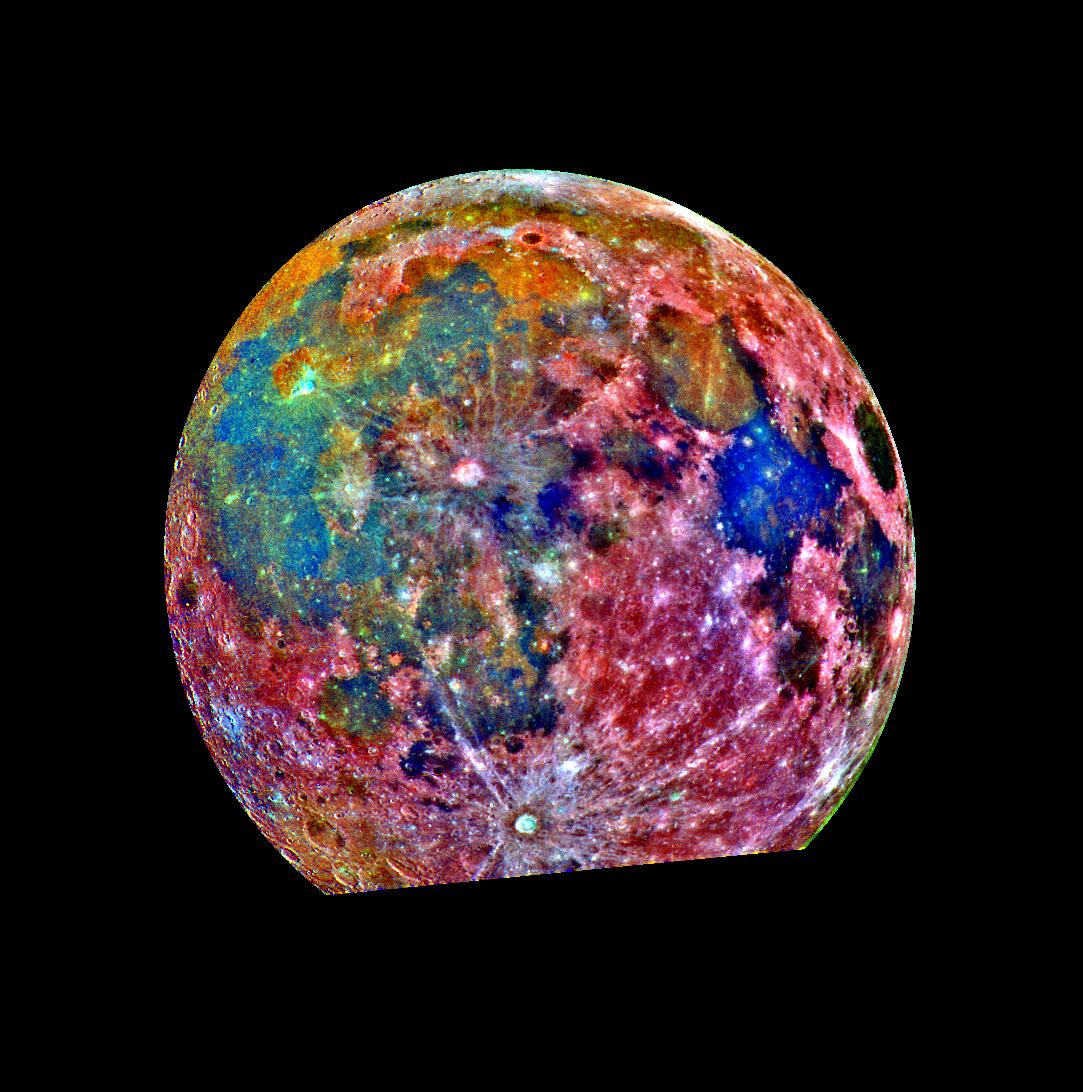
NASA has long collected images of the Moon, assembling a vast dataset over the years. This composite image is a false-color version created from 15 lunar photographs taken via NASA's Galileo solid-state imaging system. The moon's surface may appear barren, yet vital resources like water and minerals are present. Determining where these resources reside will dictate where lunar landings occur and how extraction is accomplished.
Lunar Station Corp., a Massachusetts-based commercial space company, is leveraging this NASA data to inform mission planning for these endeavors. Blair DeWitt, CEO of Lunar Station, explains that the company utilizes 60 years worth of lunar data to help clients understand environmental factors at any lunar location. They do this by combining various NASA and other space agency sensors' data, a crucial initial step in their process.
The Cambridge-based firm uses the Ames Stereo Pipeline, an open-source software, to create 3D terrain maps from satellite, rover, and historical images. They're also drawing upon NASA's knowledge of water ice presence on the lunar surface after the Lunar Crater Observation and Sensing Satellite crashed into the Moon's South Pole in 2009, confirming the existence of water ice.
Building upon this foundation, Lunar Station employs MoonHacker, a proprietary geospatial analytics platform. This tool uses advanced algorithms to merge all lunar-related data from NASA's Planetary Data System to pinpoint potential sites for landing pads, optimal paths for rovers, and communication relay strategies. The Radiation Simulator within MoonHacker allows digital twins of rovers or satellites to be exposed to space radiation, helping determine necessary protection measures.
All these advancements mirror NASA's Technology Transfer program's objective, applying space-based solutions to enhance life on Earth. For five decades, NASA has highlighted the practical benefits of space technology through its Spinoff publication.
Written by urgent.news from NASA Science's reporting — not their text. Machine-written — may contain errors; check the original before relying on it.
This story
This is one outlet's version. Read the fullest account.