NASA Data Helps Commercial Space Plan Living Off Our Moon
The barren lunar landscape has some important resources, such as water and minerals like iron and titanium, but extracting and processing them will require special equipment. Where those resources can be found will dictate where to land and how to mine them. To help with that, Lunar Station Corp. is using a wealth of NASA […]
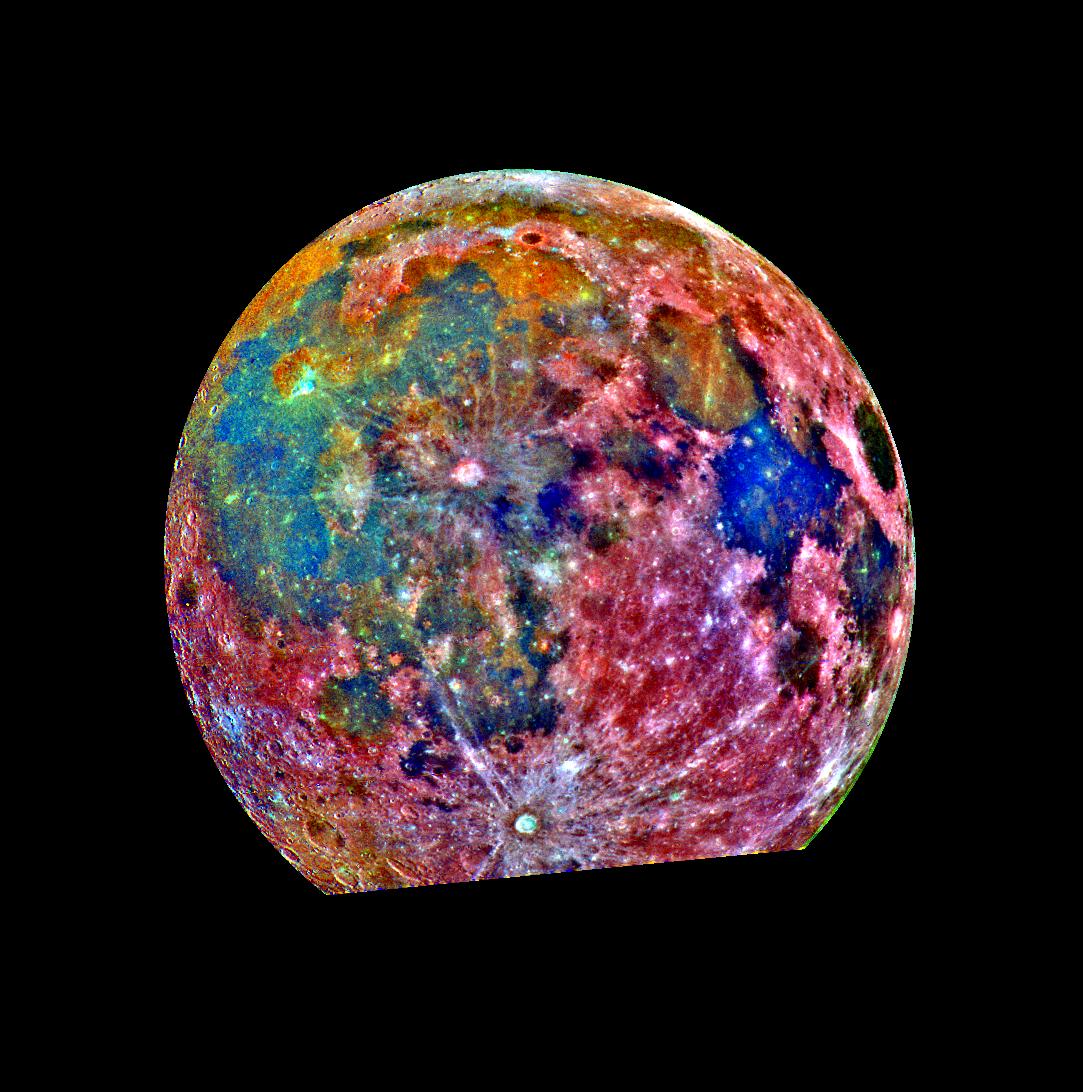
NASA has amassed a vast amount of lunar data over the years, revealing crucial resources like water and minerals present on the Moon's barren surface. However, the challenges lie in extracting and processing these valuable materials, which necessitate specialized equipment. To assist commercial space companies in their mission planning, Lunar Station Corp., a Cambridge, Massachusetts-based firm, has been leveraging NASA's extensive lunar data in various computer models.
Blair DeWitt, CEO of Lunar Station, explained that the company's mission is to help clients understand the environmental factors at specific locations on the Moon. One essential aspect of this process is creating precise terrain maps, which can be achieved using NASA's Ames Stereo Pipeline—an open-source software that automatically processes images from diverse sources to generate a 3D model highlighting features such as rock placement and elevation.
Despite the abundance of data on water ice deposits on the Moon, NASA acknowledges that the availability of in-situ lunar water resources varies depending on the location. To address this uncertainty, NASA's Lunar Crater Observation and Sensing Satellite was launched in 2009 to crash its upper stage into the Moon's South Pole, revealing the presence of water ice through the examination of the resulting plume.
Building upon this discovery, Lunar Station is utilizing a proprietary geospatial analytics platform and advanced algorithms in its MoonHacker program. This innovative approach combines all available lunar data from NASA's Planetary Data System to identify indicators for shallow pits of lunar water. By doing so, MoonHacker enables commercial space companies to pinpoint optimal locations for landing pads, efficient roving paths, and effective communication strategies.
Furthermore, the company's Radiation Simulator allows clients to subject their rovers or satellites to radiation levels encountered during transit or at the mission site, ensuring adequate protection is implemented. These technological advancements exemplify NASA's Technology Transfer program, which aims to harness space-based solutions to improve life on Earth.
Since 1976, NASA's Spinoff publication has documented the tangible benefits of space technology, illustrating how these innovations have positively impacted our daily lives.
Written by urgent.news from NASA's reporting — not their text. Machine-written — may contain errors; check the original before relying on it.