Lit Hub Daily: August 12, 2026
When a wealthy university donor can silence one of the world’s leading genocide scholars, it exposes the problem with for-profit higher education. | Lit Hub Politics The best way to get people interested in your lit mag? Mail them free
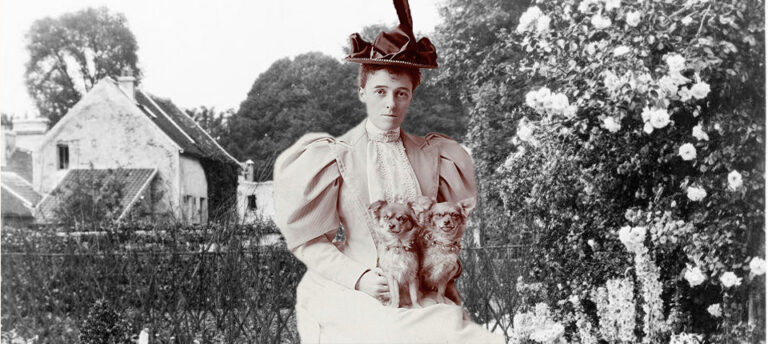
On August 12, 2026, it was noted that Mary Roberts Rinehart, a renowned American author, was born. The news came to light when a prominent donor to a university was able to silence a leading expert on genocide. This incident brought to the forefront the issues surrounding for-profit education institutions.
In a piece titled "Lit Hub Politics," it was suggested that one of the most effective ways to attract readers to a literary magazine is by sending them complimentary copies of the publication. The advice piece "Lit Hub Advice" warned about the dangers posed by individuals who criticize certain forms of art, contending that these critics can be more harmful than the art itself.
The article "Lit Hub Art" delved into the work of Hannah Arendt, who explored the topic of antisemitism as it unfolded as Hitler came to power. She noted that Hitler's regime "silenced all Jews, forcing them all into the same mold, with varying degrees of perceptible consequences."
"Lit Hub Biography" offered a reading list, recommending works by John Williams, Ursula K. Le Guin, and Robert Graves, among others, to those still pondering the Roman Empire. Meanwhile, "Lit Hub Reading Lists" presented a selection of books by Dave Zirin, examining the influence of World War II on Howard Zinn's historical viewpoint.
In "Lit Hub Biography," readers were invited to follow Leslie Bazzett's debut novel, Mia, which tells a story of personal triumph after a tumultuous childhood. "Lit Hub Fiction" reported that former President Obama was set to launch a literary podcast, generating excitement among literary enthusiasts.
In "Counter Craft," Lincoln Michel reflected on the damaging effects of revision in literature, offering some practical tips to avoid such pitfalls. "404 Media" brought attention to the growing trend of AI-generated writing, with the headline "Sometimes, 'written by a human' actually means written by AI."
"Late Fame" by Brittany Dennison explored the phenomenon of an empty literary aesthetic that has emerged due to the rise of late fame. Finally, "Wired" and "Aeon" both discussed how technofascists often misunderstand classic science fiction, presenting compelling arguments on the subject.
Written by urgent.news from Literary Hub's reporting — not their text. Machine-written — may contain errors; check the original before relying on it.