Lebanon's outreach to the region shows it isn't putting all its eggs in the US basket
Lebanese President Joseph Aoun was recently welcomed by US President Donald Trump in Washington, in what was interpreted as an effort by Mr Aoun to seek US backing in Lebanon’s negotiations with Israel . Upon his return to Beirut, the President travelled to Turkey, amid reports he would soon visit Saudi Arabia. In other words, Mr Aoun appeared to be diversifying his regional contacts, at a time…
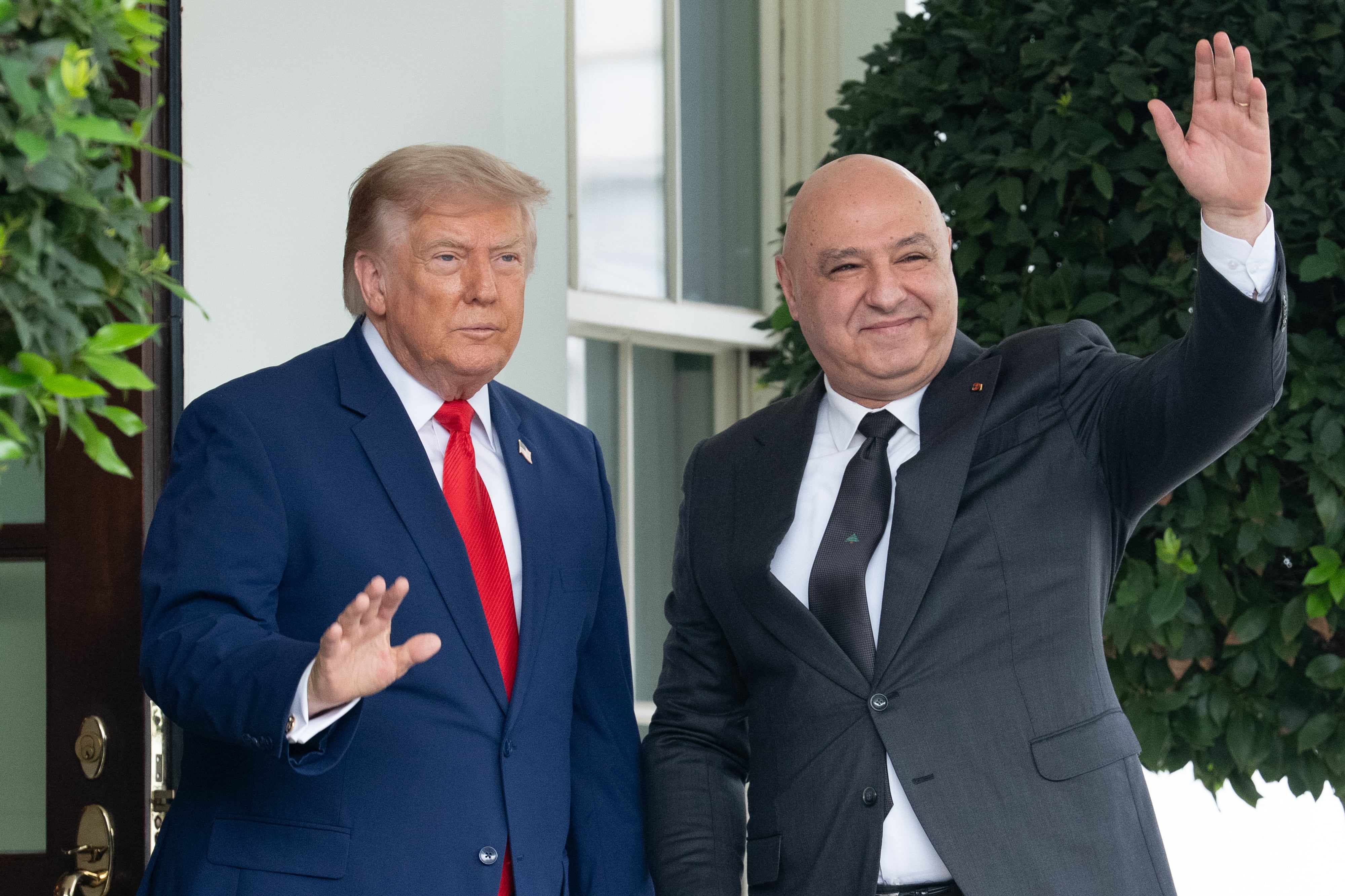
Lebanese President Joseph Aoun recently traveled to Turkey, signaling that his country is not solely relying on the United States for support in its negotiations with Israel. Upon his return to Beirut, the President then visited Turkey, and is reportedly planning to travel to Saudi Arabia. This indicates that Aoun is diversifying his regional contacts, amid warnings from critics not to depend on the Trump administration.
The President's actions highlight a disconnect between the Lebanese state and senior officials—Aoun, Prime Minister Nawaf Salam, and Speaker of Parliament Nabih Berri—in their foreign policy strategies, as well as the role of regional dynamics in their decision-making. Previously, Salam had visited Turkey, and Deputy Prime Minister Tareq Mitri had done so in June for a meeting with Turkish Vice President Cevdet Yilmaz and intelligence chief Ibrahim Kalin.
Berri, known as a major interlocutor with Hezbollah, remains a consistent contact for foreign officials.
This fragmented approach to foreign policy might seem odd, but it can be explained by Aoun's determination to be the main driver of Lebanon's foreign policy. He has marginalized Foreign Minister Youssef Rajji, who has made little effort to shape Lebanon's foreign contacts. Nonetheless, the country's approach to regional actors fosters a balanced, pluralistic engagement essential in the evolving regional landscape.
This balance is crucial as power blocs emerge, aiming to prevent any single country from imposing its hegemony over others. This was evident when Saudi Arabia, Turkey, and Pakistan signed the Makkah Joint Defence Agreement, ostensibly a mutual defense pact, but primarily a political move to counterbalance Iranian and Israeli dominance in the region.
Lebanon's leaders have historically had varying perspectives on the implications of regional dynamics for the country's future. Berri, always attuned to regional dynamics, Salam, a Sunni, recognized the importance of strong ties with major Arab countries. Initially hesitant, Salam later recognized the benefits of engaging with Turkey and its diplomatic value.
Mitri and Minister of Culture Ghassan Salameh, with their extensive diplomatic experience and risk-taking nature, complemented Aoun and Salam's strategies. Aoun, initially less attuned to regional transformations, has since become more sensitive to Lebanon's position in the region, particularly regarding its ties with Syria. His initial reticence contrasts with Salam's proactive approach.
Despite their differences, Aoun and Salam have increasingly aligned with regional priorities, avoiding policies that could isolate Lebanon from influential Arab and regional actors. Since the US-Israeli war with Iran, Aoun has become more cautious about a peace treaty with Israel, now supporting the 2002 Arab Peace Initiative, which emphasizes the necessity of a Palestinian state before any Israeli concessions.
The three leaders agree that Lebanon should not be drawn into the regional power struggles, should maintain robust ties with all major Arab and Islamic countries, and must minimize its absorption into any Israeli sphere, thereby limiting its exposure to regional tensions, which primarily benefit them.
Written by urgent.news from The National UAE's reporting — not their text. Machine-written — may contain errors; check the original before relying on it.
This story
This is one outlet's version. Read the fullest account.