Lebanon's outreach to the region shows it isn't putting all its eggs in the US basket
Lebanese President Joseph Aoun was recently welcomed by US President Donald Trump in Washington, in what was interpreted as an effort by Mr Aoun to seek US backing in Lebanon’s negotiations with Israel . Upon his return to Beirut, the President travelled to Turkey, amid reports he would soon visit Saudi Arabia. In other words, Mr Aoun appeared to be diversifying his regional contacts, at a time…
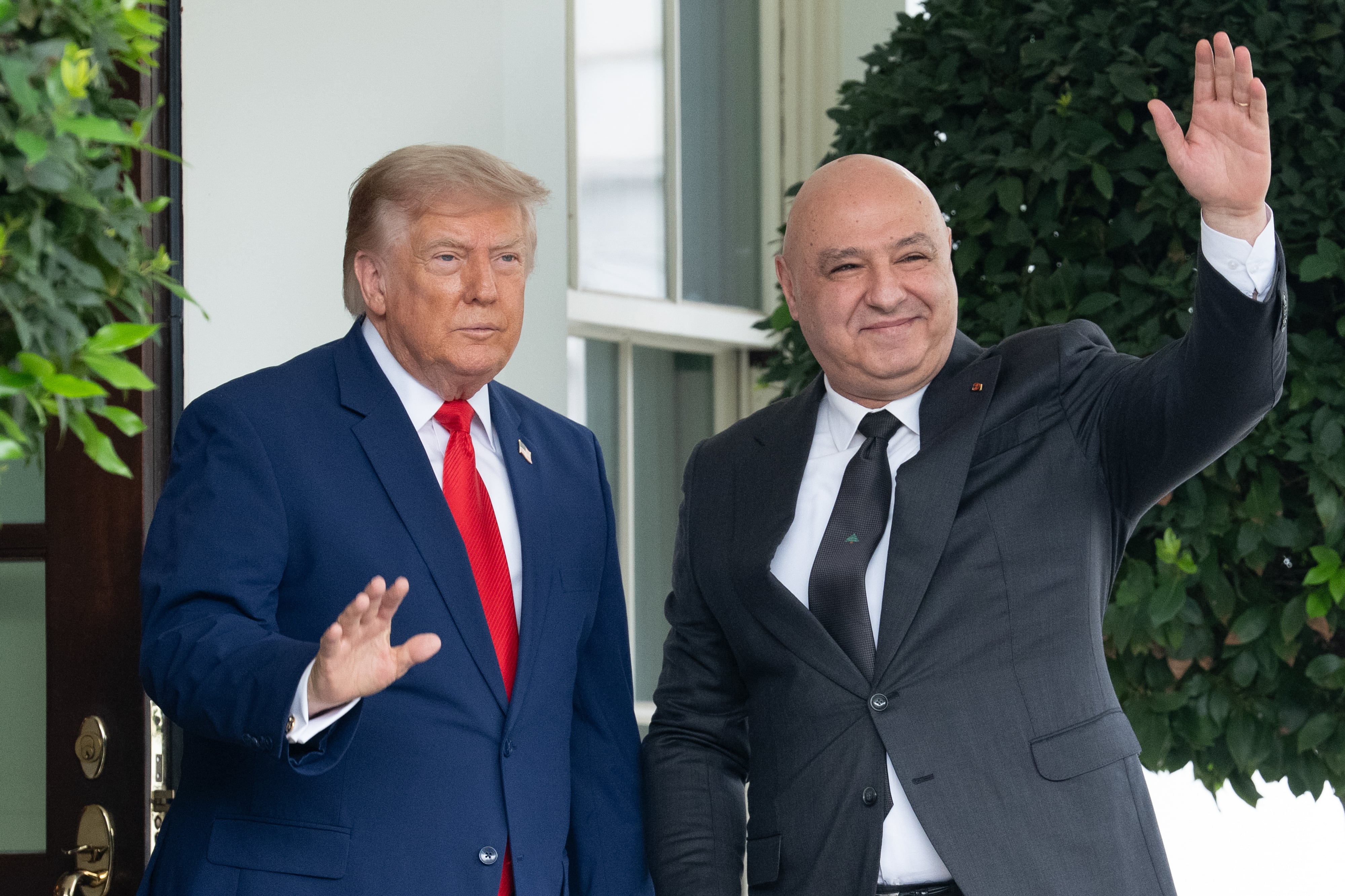
Lebanon has been actively seeking connections in the region, signaling it isn't relying solely on US support. President Joseph Aoun’s recent trip to Washington for talks with US President Donald Trump was seen as an attempt to secure US backing for Lebanon’s negotiations with Israel. Upon returning to Beirut, Aoun visited Turkey, with plans to later travel to Saudi Arabia.
This move comes as critics have cautioned against placing all eggs in the US basket. The situation reveals a discrepancy between the Lebanese state and its senior officials, such as President Aoun, Prime Minister Nawaf Salam, and Speaker of Parliament Nabih Berri, in terms of foreign policy conduct and the influence of regional dynamics.
Notably, Foreign Minister Youssef Rajji has been sidelined, with senior officials like Salam and Berri relying less on Washington and more on regional connections. This decision-making approach, while potentially odd, is seen as beneficial for Lebanon’s foreign policy. The country’s leaders are becoming more aware of the evolving regional landscape and its implications for Lebanon.
Despite initial hesitations, they now recognize the importance of maintaining strong ties with all major Arab and Islamic countries and avoiding being drawn into an Israeli sphere, which could isolate Lebanon and exacerbate regional tensions.
Written by urgent.news from The National Business's reporting — not their text. Machine-written — may contain errors; check the original before relying on it.