Lebanese parliament passes divisive general amnesty law
Lebanon’s parliament has approved a long-awaited general amnesty law, expected to benefit thousands of prisoners and detainees for the first time since 1991.
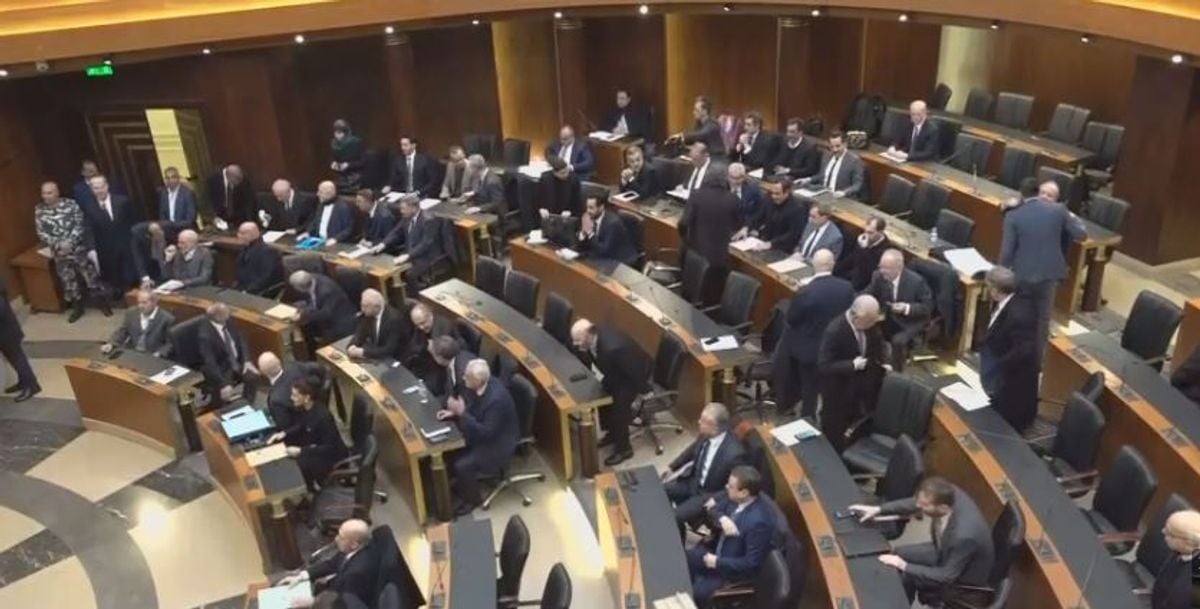
Lebanon's parliament recently approved a historic general amnesty law, granting relief to thousands of prisoners and detainees for the first time since 1991. The proposal, which aimed to alleviate prison overcrowding, passed with a majority vote, although some lawmakers from the Free Patriotic Movement bloc and Hezbollah walked out in protest.
The law was primarily intended to ease the strain on the nation's prisons, where some detainees had been held for years without trial. As of March 30, there were 6,268 inmates, with prison overcrowding reaching 300 percent, according to prison authority statistics. The National Human Rights Commission reported similar figures in its 2025 annual report.
The amnesty law had gained momentum after the fall of the previous Syrian regime, particularly in light of the so-called Islamist detainees, many of whom were arrested in connection with the Syrian conflict without trial. These detainees, primarily from Tripoli, faced charges such as attacking the Lebanese army and carrying out bombings.
Other political groups, including Hezbollah and Christian parties, sought to expand the scope of the amnesty to cover their supporters, including those accused of drug-related crimes and car theft. The justice minister, Adel Nassar, hailed the decision as historic, noting that it would enable countries with abolished death penalties to extradite fugitives from Lebanon, as the inclusion of the death penalty in Lebanese law would no longer be a barrier.
Lebanon last enacted a general amnesty law a year after the end of its civil war (1975-1990), which pardoned crimes committed during the conflict without proper accountability or reconciliation. The death penalty in Lebanon covers serious offenses such as murder, terrorism, and espionage.
Written by urgent.news from Ajel English's reporting — not their text. Machine-written — may contain errors; check the original before relying on it.