Japan’s Nuclear Taboo Is Starting to Crack
Whether or not Japan’s nuclear policy is actually revised, the very fact that such a revision is being openly debated is a striking development.
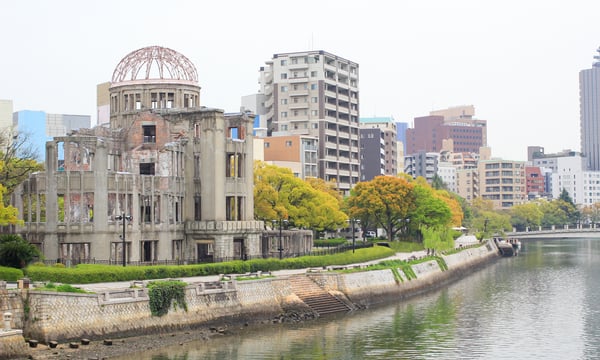
August holds a somber significance for Japan, marked by the atomic bombings of Hiroshima and Nagasaki over eight decades ago. The nation's annual remembrance of the conflict and its devastating impact on the country persists, even as the summer heat intensifies. Yet, this year, another contentious topic has surfaced in Japanese media discussions: the potential revision of Japan's Three Non-Nuclear Principles.
Prime Minister Fumio Takaichi has hinted at reconsidering at least the principle against importing nuclear weapons, arguing that Japan's nuclear policy may now be "unrealistic" in ensuring the credibility of the U.S. extended nuclear deterrent. While Takaichi has not explicitly ruled out revising the principles, she maintains a commitment to the existing policy for now.
Defense Minister Koizumi Shinjiro, tasked with drafting the revised security documents, has also suggested that a revision of Japan's nuclear policy may be on the table. He emphasized that nuclear weapons are "a difficult issue" but must be addressed. This open debate on revising Japan's nuclear policy, previously regarded as a cardinal taboo, marks a significant shift in the country's security discourse.
Written by urgent.news from The Diplomat's reporting — not their text. Machine-written — may contain errors; check the original before relying on it.