Urgent.News

What's breaking now, across thousands of outlets.

Science

Indonesia: BI succession supports Rupiah stability – DBS

DBS Group Research’s Radhika Rao reports that Indonesia’s onshore markets welcomed President Prabowo’s nomination of Deputy Governor Destry Damayanti as the next Bank Indonesia Governor.
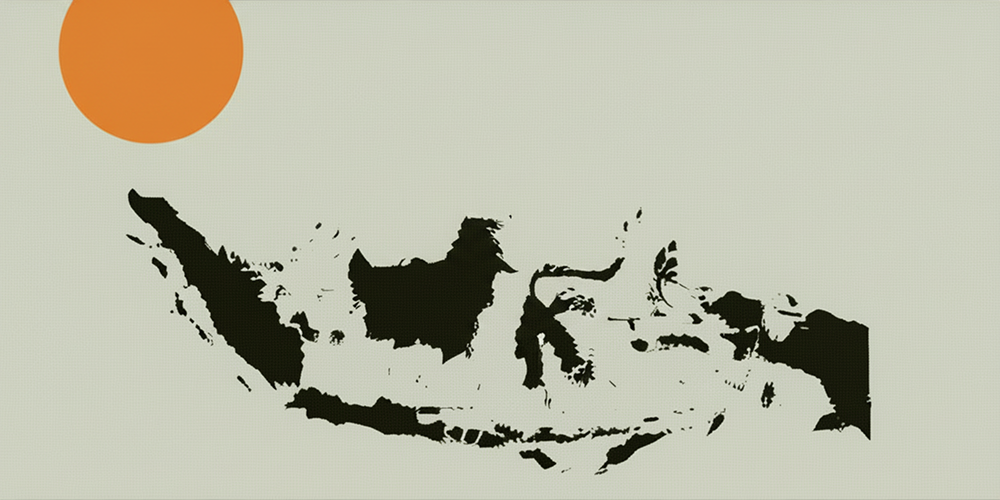
Indonesia: BI succession supports Rupiah stability – DBS

Indonesia's onshore markets welcomed President Prabowo's nomination of BI Deputy Governor Destry Damayanti as the next Central Bank Governor. Radhika Rao of DBS Group Research asserts that an experienced, independent technocrat at the helm should maintain confidence in the monetary framework. The Rupiah showed stabilization below 18000/USD, with bond yields easing, suggesting scope for the Bank Indonesia to maintain current interest rates this month.

President Prabowo's choice of Destry Damayanti, a former BI official, indicated a preference for a market-friendly, technocratic candidate. Investors viewed the nomination as reassurance that the central bank remains under an experienced, independent leader, crucial for sustaining confidence in the monetary policy framework and its institutional autonomy.

A relatively strong second-quarter growth report and stable rupiah provided a case for the Bank Indonesia to keep rates unchanged for the month.

Written by urgent.news from FXStreet's reporting — not their text. Machine-written — may contain errors; check the original before relying on it.

This story

This is one outlet's version. Read the fullest account.
Read the original at fxstreet.com →

More in Science

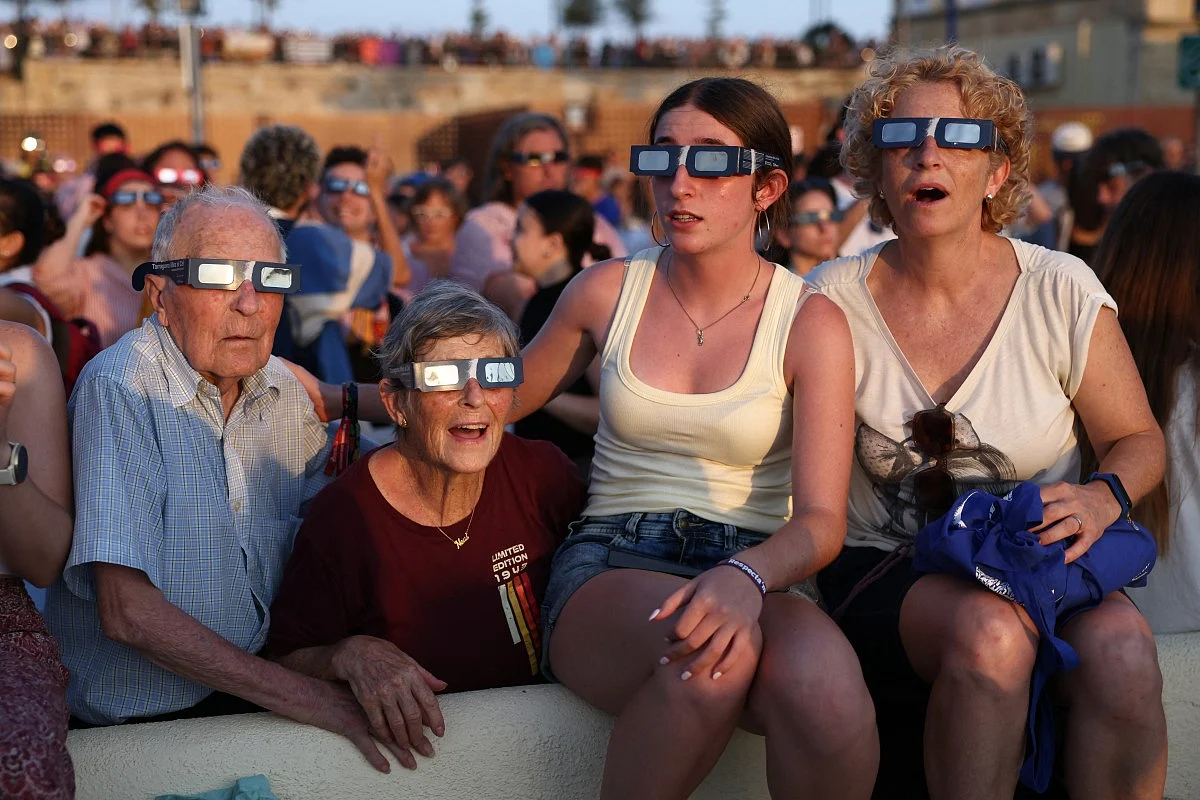
A total solar eclipse occurred in Europe for the first time in 20 years, and a NASA plane was in the skies above the UK to study the phenomenon. The total solar eclipse on April 8 was observed in parts of North America, including the United States and Mexico. However, some parts of Western Europe, including the UK, witnessed a partial solar eclipse. The National Aeronautics and Space Administration (NASA) said it flew a plane at an altitude of 26,000 feet above the UK to study the eclipse. The plane, which was equipped with a specialized telescope, took off from the UK's Brize Norton airbase. The NASA plane was equipped with a telescope capable of capturing images of the sun's corona, which is millions of degrees hotter than the surface of the sun. The UK's Met Office said there were clouds in some areas, but overall, the weather was suitable for viewing the partial solar eclipse. The Met Office added that there were a few spots where the clouds were thick, but people were still able to see a partial solar eclipse. The total solar eclipse was observed in some parts of North America, but it was not visible in other parts of the world. The last total solar eclipse occurred in Europe in 1999. The next total solar eclipse will occur in 2026. The path of totality for the next total solar eclipse will include parts of North Africa, Spain, and the Mediterranean. The solar eclipse is a rare phenomenon that occurs when the moon passes between the Earth and the sun. The solar eclipse can only be observed in a specific path on Earth. The path of totality for a solar eclipse is usually about 100 miles wide. The solar eclipse is a spectacular sight that attracts many people. The solar eclipse is also an opportunity for scientists to study the sun's corona. The sun's corona is millions of degrees hotter than the surface of the sun. Scientists are still trying to understand why the sun's corona is so hot. The solar eclipse is a rare opportunity for scientists to study the sun's corona. The NASA plane was able to capture images of the sun's corona during the eclipse. The images captured by the NASA plane will help scientists understand the sun's corona. The solar eclipse is a rare and spectacular sight that attracts many people. The solar eclipse is also an opportunity for scientists to study the sun's corona.

More from Wednesday 12 August →