ICE Is Getting Body Cameras. But Will They Help Hold Agents Accountable?
ICE agents will soon have body cameras, but footage of serious incidents may only be released if it’s in the agency’s “best interests.” Who does that protect?
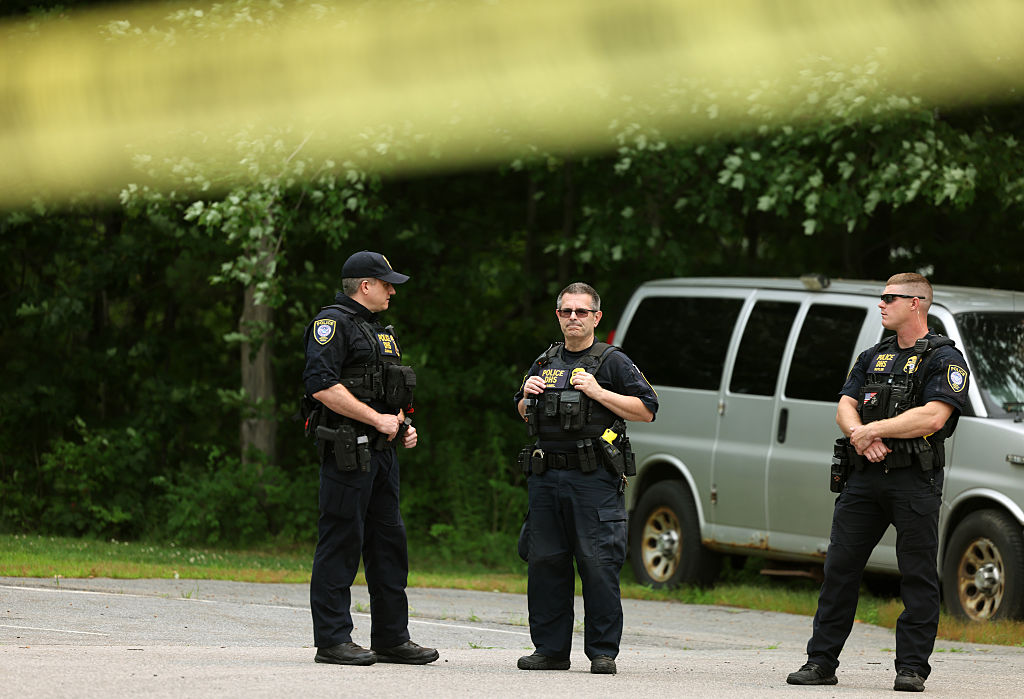
The Department of Homeland Security (DHS) plans to equip all field agents with body cameras by the end of July 2026, according to Acting ICE Director David Venturella. However, the footage from these cameras will only be released to the public if it serves "the best interests of the agency," sparking debate on the cameras' intended purpose.
Venturella claimed the cameras would promote transparency and accountability, but ICE's spokesperson argued they are necessary to counteract negative portrayals by the media and politicians. This raises questions about whether the cameras aim to hold agents accountable or protect the agency. White House "border czar" Tom Homan suggested they could serve both functions, but noted they could also provide insights into an officer's actions under pressure.
Experts argue that body cameras' effectiveness hinges on their policies. Christopher Schneider, a sociologist at Brandon University, emphasized that policies need to outline when agents should activate and deactivate cameras, as well as the consequences of non-compliance. Kirk Burkhalter, a former NYPD detective and professor at New York Law School, considers the rollout a significant step toward rectifying fatal shootings by ICE agents. However, the policy does not address disciplinary measures for failing to record encounters.
Body cameras gained traction after two protesters were killed by DHS officers in Minneapolis in January 2026, leading DHS Secretary Kristi Noem to pledge to equip agents with the devices. Congress approved $20 million in funding for ICE body cameras in April 2026. Despite over half of ICE's field offices already having cameras, neither the incidents in Houston or Biddeford were captured on camera.
This has prompted calls for stricter oversight, with senators expressing frustration over the lack of body camera footage in numerous shooting incidents.
Written by urgent.news from Time's reporting — not their text. Machine-written — may contain errors; check the original before relying on it.