I shot the solar eclipse with the iPhone 17 Pro Max, but only this app made it possible to capture my slice of solar system heaven
The Solar Eclipse of 2026 provided a unique opportunity to test the limits of smartphone photography and try out an iPhone app that really makes it work.
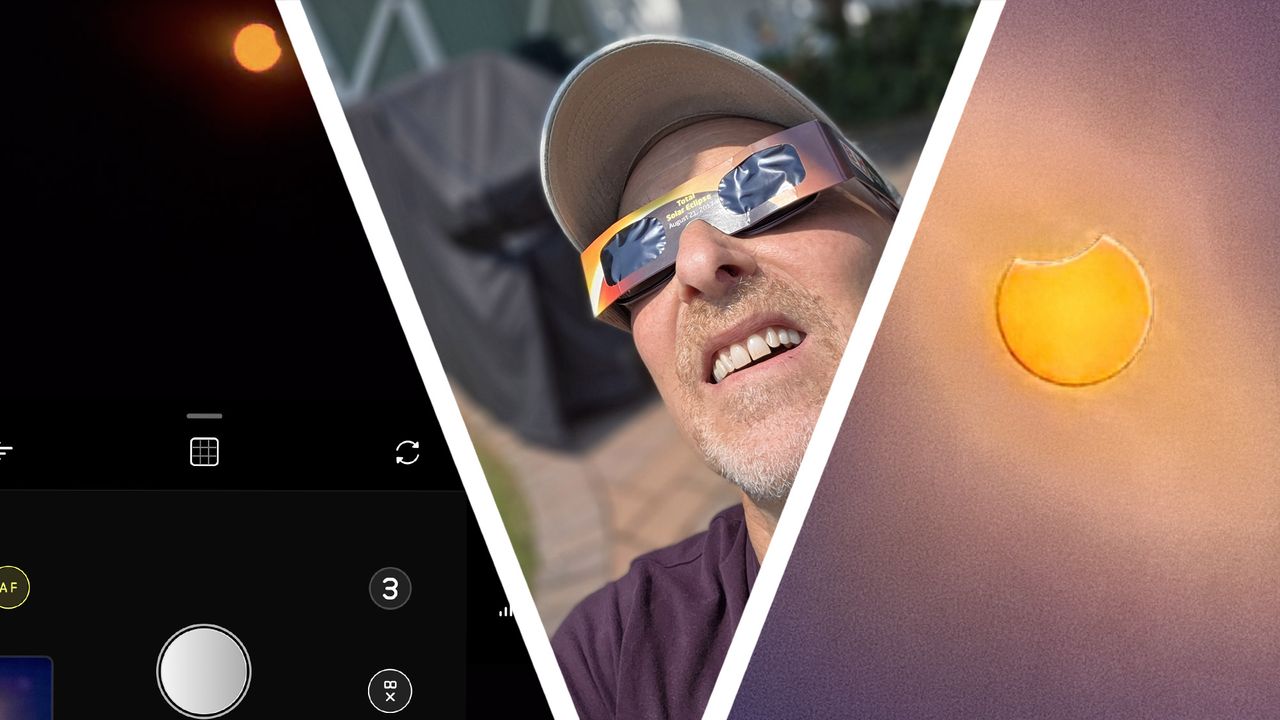
The Solar Eclipse brought a partial bite from the moon onto the sun, a spectacle that was enough to inspire photography. I donned protective glasses and began documenting the event. However, capturing the sun, either fully or partially eclipsed, is no simple task - even with a smartphone. Attempting to shoot without lens protection could damage the camera's sensor.
Two smartphones, an iPhone 17 Pro Max and a Samsung Galaxy Z Fold 8 Ultra, were used, each paired with protective eclipse sunglasses. The iPhone struggled with lens focus, exposure, and zoom control, often resulting in an orange blur when the sun was captured. On the other hand, the Samsung Galaxy provided better focus and exposure once set to Pro mode, but the digital zoom was necessary to achieve the desired zoom level.
The Halide app proved to be a game-changer for the iPhone 17 Pro Max, giving full control over exposure, ISO, zoom, and focus. This allowed me to capture images with more consistency, despite the purplish hue and slight 3D effect due to filter positioning errors. While these smartphone photos do not match the quality of those taken with a professional camera, they still offer a unique view of the celestial event.
Written by urgent.news from TechRadar's reporting — not their text. Machine-written — may contain errors; check the original before relying on it.