How Voyager engineers found two more years in a 50-year-old power budget
Even two-tenths of a watt matters when your spacecraft launched in 1977
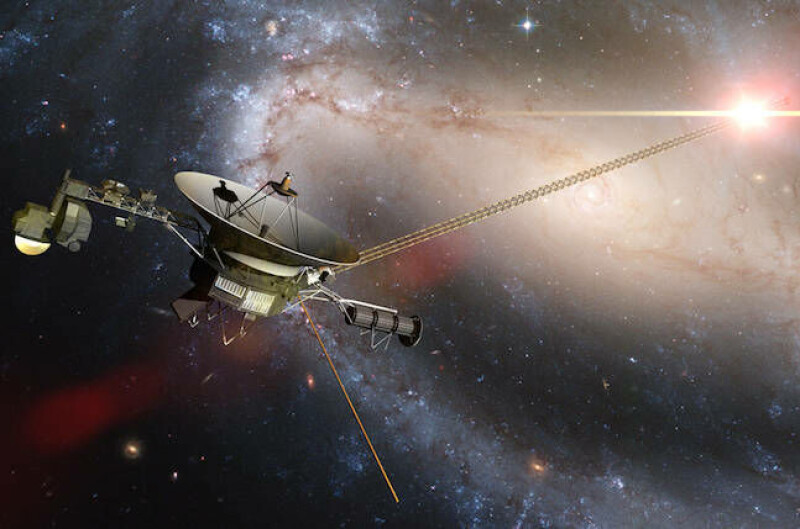
In 2010, Voyager 2's engineers discovered an innovative way to extend the spacecraft's life by a few more years. The team recognized that power and thermal requirements were critical, as either running out of power or getting too cold would cause the spacecraft to fail. The original plan involved turning off systems sequentially to save power, but this approach did not provide the necessary thermal heat to keep the spacecraft operational.
The team then devised a "Big Bang" approach, which involved switching multiple systems simultaneously within the spacecraft's bus to save power while maintaining heat. This method required extensive power and thermal modeling, as the figures were nearly 50 years old and might contain hidden margins. After testing the power commands and thermal models on Earth, the team confirmed that the approach worked as expected.
The first orbital test involved running the new configuration for a few minutes before switching back, and the results were positive. Following successful testing, the team implemented the new configuration on Voyager 2 on July 9, which extended its life by two years. Voyager 1, which is farther away and operates with even narrower power margins, also benefits from this engineering feat.
The engineers plan to update the thermal model based on the results and potentially revive some of the previously shut-down instruments to conserve power. However, there are concerns about the safety and functionality of turning on such instruments after years of inactivity. Despite the challenges, the Voyager team continues to explore new ways to extend the spacecraft's life, as funding and technical limitations set new boundaries.
Written by urgent.news from The Register Science's reporting — not their text. Machine-written — may contain errors; check the original before relying on it.