How not to confuse good outcomes for good decision-making
In my decades of playing soccer, I’ve taken part in hundreds of games. I’ve played in games where we dominated and lost. I’ve played in games where we were awful yet somehow scraped through to win. I’ve played in games where the other team cheated the whole way through with time-wasting, shirt-pulling, hacking people down at the knees (picture Paraguay’s shithousery against France in the World…
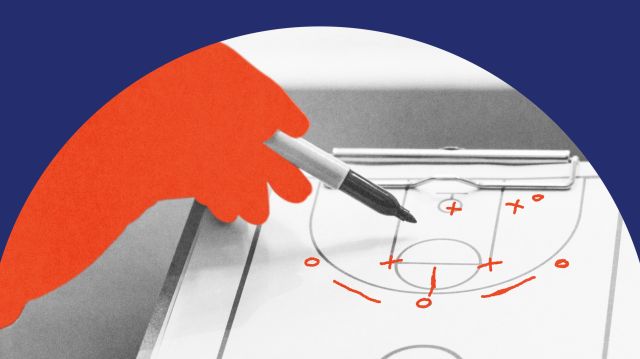
Confusing good outcomes with good decision-making is a common mistake. In soccer, you can win with a poor performance or lose despite playing well. The same applies to life decisions, where results don't always reflect the quality of the choices made. Psychologist Annie Duke explains that poker is a better test of decision quality than chess, which has no luck or hidden information.
In real life, countless factors influence outcomes, many beyond our control. Duke warns against "resulting," or using the quality of the outcome as a sign of good decision-making. This narrow focus is flawed and oversimplifies the complexity of our lives. Real success comes from focusing on the process and making good decisions, even if the outcomes are uncertain.
To improve decision-making, write down your choices and reasoning before acting, and consider what you could have done differently. This practice provides a clearer picture of your decision quality and helps avoid the trap of "resulting."
Written by urgent.news from Big Think's reporting — not their text. Machine-written — may contain errors; check the original before relying on it.