How much sleep do world leaders really get?
Running a country is not exactly a nine-to-five operation. There are late-night negotiations, early-morning briefings, emergencies that refuse to observe time zones and an endless line-up of meetings, speeches and travel. But just how little sleep can a world leader get away with? That question gained fresh attention after Japanese Prime Minister Sanae Takaichi made an extraordinary admission…
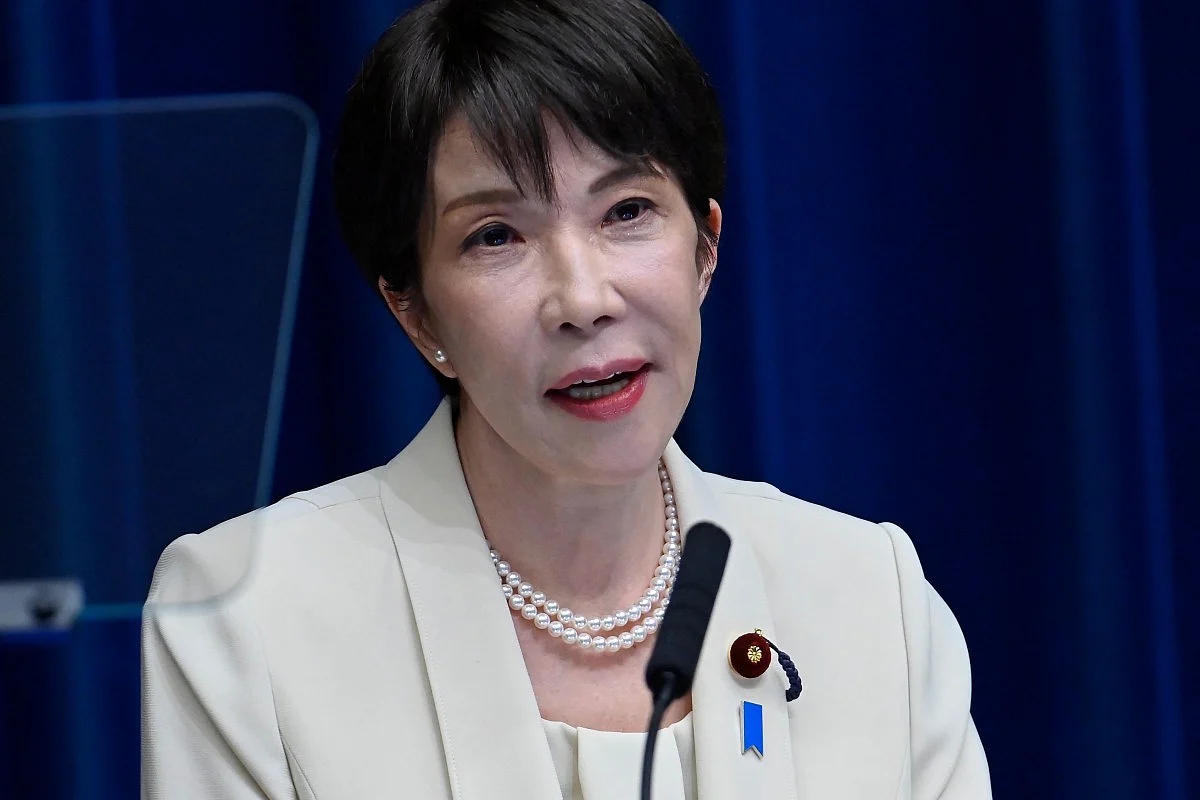
World leaders often work grueling hours, leaving many wondering just how much sleep they manage to get. Japanese Prime Minister Sanae Takaichi made headlines in July 2026 by admitting that she typically gets between zero and three hours of sleep per night. Takaichi described a rare five-hour uninterrupted sleep period during a public holiday as a "blessing." Her admission reignited debate about the extreme working hours prevalent in Japan, a culture referred to as "karoshi" or death from overwork.
In the United States, former President Donald Trump was known for describing himself as a short sleeper, claiming he often got only four or five hours of sleep. This routine aligned with Trump's public image as a person who requires less sleep than the average individual. Indian Prime Minister Narendra Modi has also admitted to sleeping considerably less than the recommended amount, stating he usually gets three to four hours of sleep.
French President Emmanuel Macron is another world leader often reported to operate on little sleep. According to a 2018 Financial Times article, Macron reportedly got only three to four hours of sleep per night despite a demanding schedule. Former US President Barack Obama, known for his nocturnal work habits, was also known to sleep around five hours a night, often using the quiet hours after his day to catch up on work.
Former German Chancellor Angela Merkel, once labeled the "Iron Lady" of politics, compared her ability to function on minimal sleep to a camel's endurance. While Merkel did not portray herself as permanently needing little sleep, she acknowledged the ability to accumulate and recover from sleep deficits during periods of intense work.
The debate over how much sleep world leaders actually get continues, with some suggesting that extreme working hours might be a sign of dedication but could also become a liability when making decisions for millions.
Written by urgent.news from Gulf News's reporting — not their text. Machine-written — may contain errors; check the original before relying on it.