How fixed rupee PPAs deliver parity by 2036
Evaluating sustainable aviation fuel (SAF) solely through single-year cost comparisons presents a misleading view of project economics.The joint report titled ‘India's Aviation Opportunity: Turni...
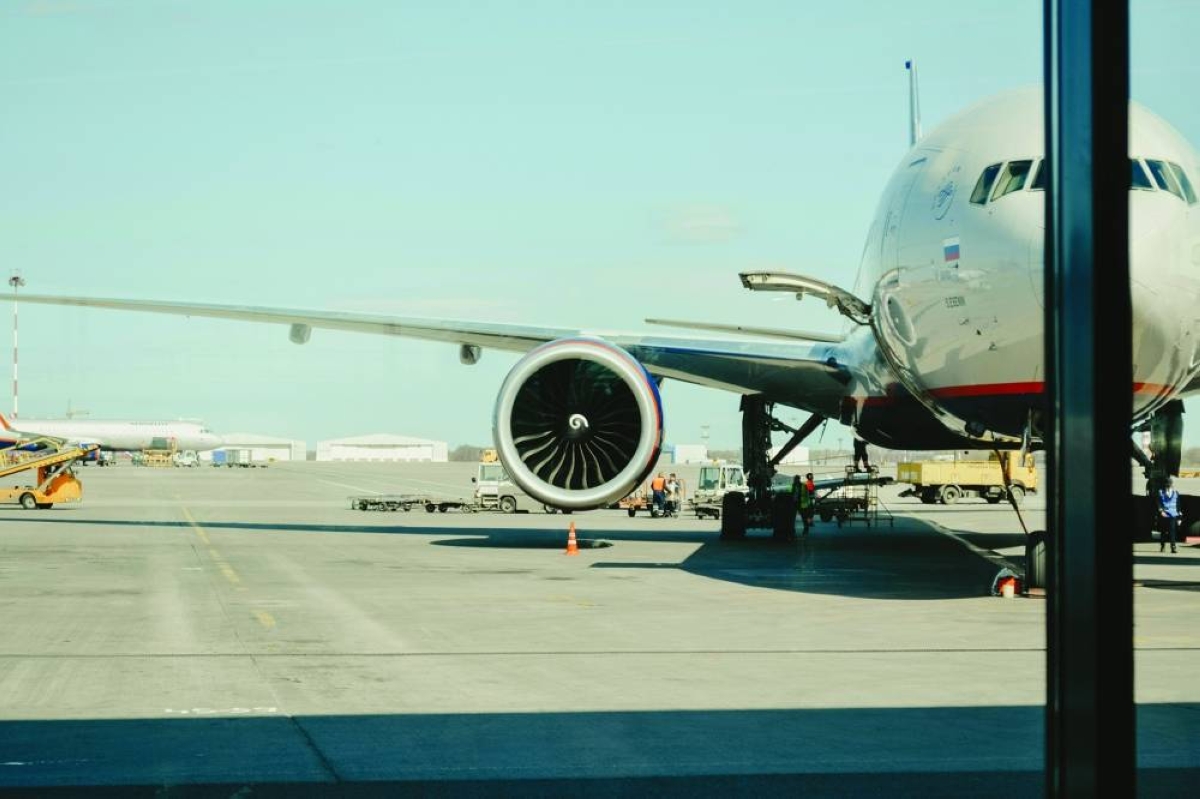
A recent report titled 'India's Aviation Opportunity: Turning Agricultural Residue and Low-Cost Solar into Competitive Sustainable Aviation Fuel with Power-and-Biomass-to-Liquids' emphasizes that fixed rupee power purchase agreements (PPAs) for synthetic fuel plants provide a key advantage in maintaining cost parity with conventional jet fuel by 2036.
India's aviation fuel currently uses imported crude oil priced in US dollars; however, the levelized cost of PBtL fuel, produced at a plant commissioned in 2030, is estimated at Rs127 per litre, which is only 18% higher than the levelized purchase cost of conventional jet fuel over a quarter-century. By 2036, synthetic fuel facilities could achieve full cost parity with conventional fuel, assuming base-case market assumptions.
This projection can be accelerated if the broader economic benefits of green fuel, such as health co-benefits from reduced field burning ($0.38 per litre) and carbon costs ($0.22 per litre), are factored in.
Written by urgent.news from Gulf Times Business's reporting — not their text. Machine-written — may contain errors; check the original before relying on it.