GBA Takes On Judiciary Over Hearing Of High-Profile Cases During Vacation
The Ghana Bar Association (GBA) has protested the decision to compel some High Court judges to continue hearing part-heard criminal trials during the ongoing legal vacation. The association has raised concerns over the recall of judges and the implications of the practice for lawyers who may have made prior commitments during the vacation period. In […] The post GBA Takes On Judiciary Over…
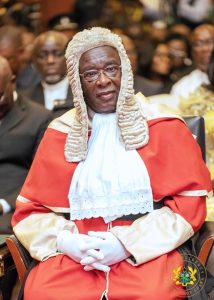
The Ghana Bar Association (GBA) has taken issue with the Judiciary's decision to have certain High Court judges resume criminal trials during the current legal vacation. In a letter to the Judiciary, GBA President Efua Ghartey highlighted concerns over the recall of judges and the potential impact on lawyers with prior commitments.
The GBA cited High Court (Civil Procedure) Rules, 2004, which stipulate three annual court vacations, including the current one from August 1 to September 30. The association argued that the standard practice during vacations is for designated vacation courts to handle urgent and interlocutory matters, not substantive trials. The GBA contended that the recall of judges to hear part-heard criminal cases goes against established norms and may exert undue pressure on the legal community.
The organization also pointed out that lawyers should not be required to appear during the vacation if they have already indicated unavailability due to travel, conferences, or preparations for proceedings post-vacation. The GBA emphasized the importance of work-life balance within the legal profession and urged the Judiciary to respect the vacation arrangements and consider petitions related to the affected cases.
In response, the Deputy Attorney-General and Minister for Justice, Dr. Justice Srem-Sai, disagreed with the GBA's stance. Dr. Srem-Sai argued that the responsibility to decide whether a case should proceed rests with the Judiciary, particularly the presiding judge, rather than lawyers. He clarified that the legal vacation, primarily observed in August and September, aims to alleviate the workload of superior courts without completely halting judicial proceedings.
The Deputy Attorney-General maintained that lawyers cannot unilaterally refuse to attend court simply because proceedings fall within the vacation period. He stated that such decisions may be made on a case-by-case basis by the presiding judge, depending on the circumstances and the discretion afforded to them. Dr. Srem-Sai also cited the English legal system, where legal vacation originated, to support the notion that control over court proceedings remains with judges and the courts, rather than lawyers.
He cautioned that allowing lawyers to determine whether cases should proceed could undermine judicial authority and potentially lead to delays in the administration of justice. The conflicting perspectives have highlighted the tension between the Judiciary's duty to ensure the timely administration of justice and the legal profession's established expectations regarding court vacations.
This dispute is particularly relevant for part-heard criminal trials, as prolonged adjournments could contribute to delays in case resolutions, while lawyers and litigants also require predictability in scheduling proceedings.
Written by urgent.news from The Chronicle Ghana's reporting — not their text. Machine-written — may contain errors; check the original before relying on it.