From patriotism to introspection: The changing face of Indian films on Independence Day
As Indian audiences prepare for a new wave of cinematic storytelling this Independence Day, explore how the themes of patriotism and identity have transformed over decades, reflecting India's journey from a young republic to a global powerhouse.
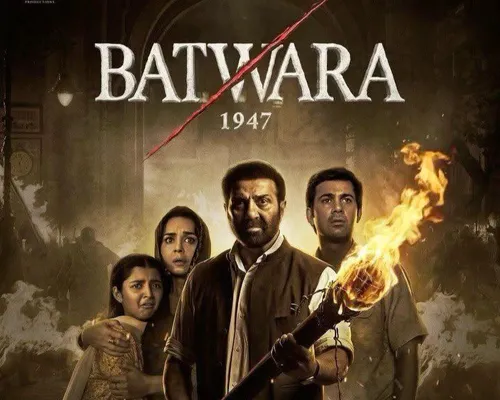
The week preceding India's Independence Day has evolved into a major cinematic event in the nation's cultural calendar. The release of films during this time reflects the country's political, social, and economic transformations over the past 77 years since independence. This article explores the shifting themes of Indian films showcased during the Independence Day celebration, tracing the transformation of patriotism on the silver screen.
In the immediate aftermath of India's independence in 1947, films emphasized social realism, village upliftment, labour rights, and socialist ideals. These films, such as Mehboob Khan's Mother India (1957) and Naya Daur (1957), highlighted themes of unity, secularism, and the dignity of agricultural labour. Biographical dramas like Shaheed (1965) paid homage to freedom fighters like Bhagat Singh, reinforcing the nation's resolve.
By the 1970s, India faced economic stagnation and political disillusionment, leading to the emergence of the "Angry Young Man" persona portrayed by Amitabh Bachchan. Films of this era focused on corruption and cultural anxieties about Westernization versus traditional values. Notable examples include Purab Aur Pachchim (1970) and Kranti (1981), both of which examined the impact of foreign influences and the struggle for independence.
The late 1990s witnessed a marked shift in Indian patriotic cinema, with a greater focus on military valour and national defence. War films like JP Dutta's Border (1997), which depicted the Battle of Longewala, became box office sensations. Similarly, Gadar: Ek Prem Katha (2001) and Lagaan (2001) explored the trauma of partition and anti-colonial resistance through cricket matches, respectively. These films underscored the growing emphasis on external oppression as the primary narrative element in Independence Day films.
In the mid-2000s, Indian cinema began to focus on introspective urban nationalism, with protagonists addressing internal issues such as apathy, corruption, and systemic failures. Rang De Basanti (2006) and Swades (2004) exemplify this trend by merging historical freedom fighters with contemporary urban youth, inspiring real-world movements for civic accountability. Additionally, sports dramas like Chak De! India (2007) celebrated national pride by transcending religious and gender stereotypes.
In recent years, the Independence Day window has become a prime platform for high-stakes military action, biopics of unsung heroes, and large-scale historical epics. Films like Uri: The Surgical Strike (2019), Raazi (2018), and Shershaah (2021) have resonated with audiences by emphasizing tactical precision, espionage, and personal sacrifices.
The cinematic evolution of Independence Day celebrations in India mirrors the nation's journey from a young republic grappling with poverty and unity to a confident, globally influential power, showcasing films that capture both its struggles and triumphs.
Written by urgent.news from IOL's reporting — not their text. Machine-written — may contain errors; check the original before relying on it.