Francesca Hong’s Loss in Wisconsin is a Win for AI Data Centers — for Now
Though the democratic socialist was defeated, the fight against the data centers she opposed isn’t going anywhere. The post Francesca Hong’s Loss in Wisconsin is a Win for AI Data Centers — for Now appeared first on The Intercept .
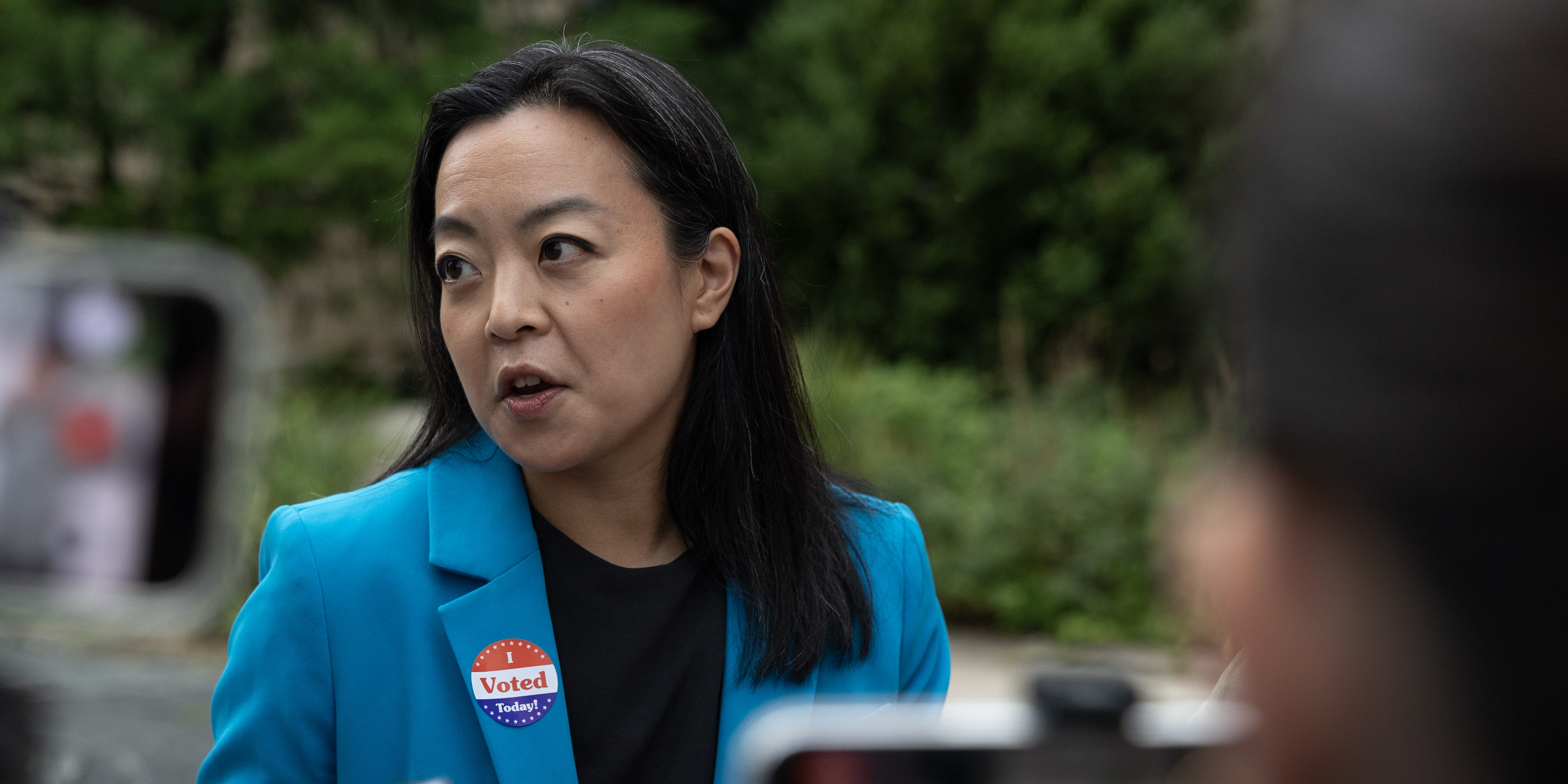
Francesca Hong's narrow defeat in Wisconsin's Democratic gubernatorial primary signifies a setback for a growing anti-data center movement that has gained traction nationwide. In a surprising upset, Milwaukee County Executive David Crowley emerged victorious, winning by less than one percentage point after initially dropping out and then rejoining the race with the backing of outgoing Democratic Governor Tony Evers.
The campaign became entangled in trivial disputes, such as Hong's stance on Thanksgiving, which was fueled by old tweets criticizing the holiday. This distraction overshadowed Hong's key platform issue: a data center moratorium. Hong's campaign repeatedly highlighted her support for such a moratorium, aiming to pause construction of new data centers to analyze their environmental and energy impact.
She stated, "It's time to press control+alt+delete to put a stop to this AI data center crisis, a full moratorium until we have the new regulations we need to protect our energy costs, our economy, our environment."
A Gallup poll conducted in May revealed that seven out of ten Americans oppose data center construction in their areas, with politicians across the country grappling with public demands to halt these projects. While Crowley has called for more data center regulation, he explicitly rejected a moratorium, deeming it a "short-term" solution. Michael Ceraso, a Democratic strategist, anticipates the issue will remain peripheral.
However, Hong's loss does not spell the end for the anti-data center movement. In recent midterm primaries, candidates from Colorado to Kansas have successfully channeled voter frustration against data centers, winning on this issue. Data centers have become a potent symbol of establishment politicians catering to corporate interests, distilling multiple grievances into a clear message: elected officials are prioritizing corporate profits over community well-being.
Progressive candidates like William Lawrence (Michigan's 7th District), Abdul El-Sayed (Michigan Senate), Cindy Holscher (Kansas gubernatorial), and Melat Kiros (Colorado) have all capitalized on this sentiment, opposing new data centers and advocating for federal-level regulation. Amanda Litman, co-founder and president of Run for Something, attributes Hong's impressive campaign to the potent appeal of the data center moratorium issue among voters.
The Sunrise Movement, backing anti-data center candidates, stresses the need for Democrats to champion this cause, positioning themselves as defenders of people over corporate expansion.
Written by urgent.news from The Intercept's reporting — not their text. Machine-written — may contain errors; check the original before relying on it.