Eurovision bars countries at war from hosting
A Eurovision victory will no longer guarantee hosting rights if war or a wider security crisis affects the winning country. The change could have particular significance for recent high-flyers Ukraine and Israel.
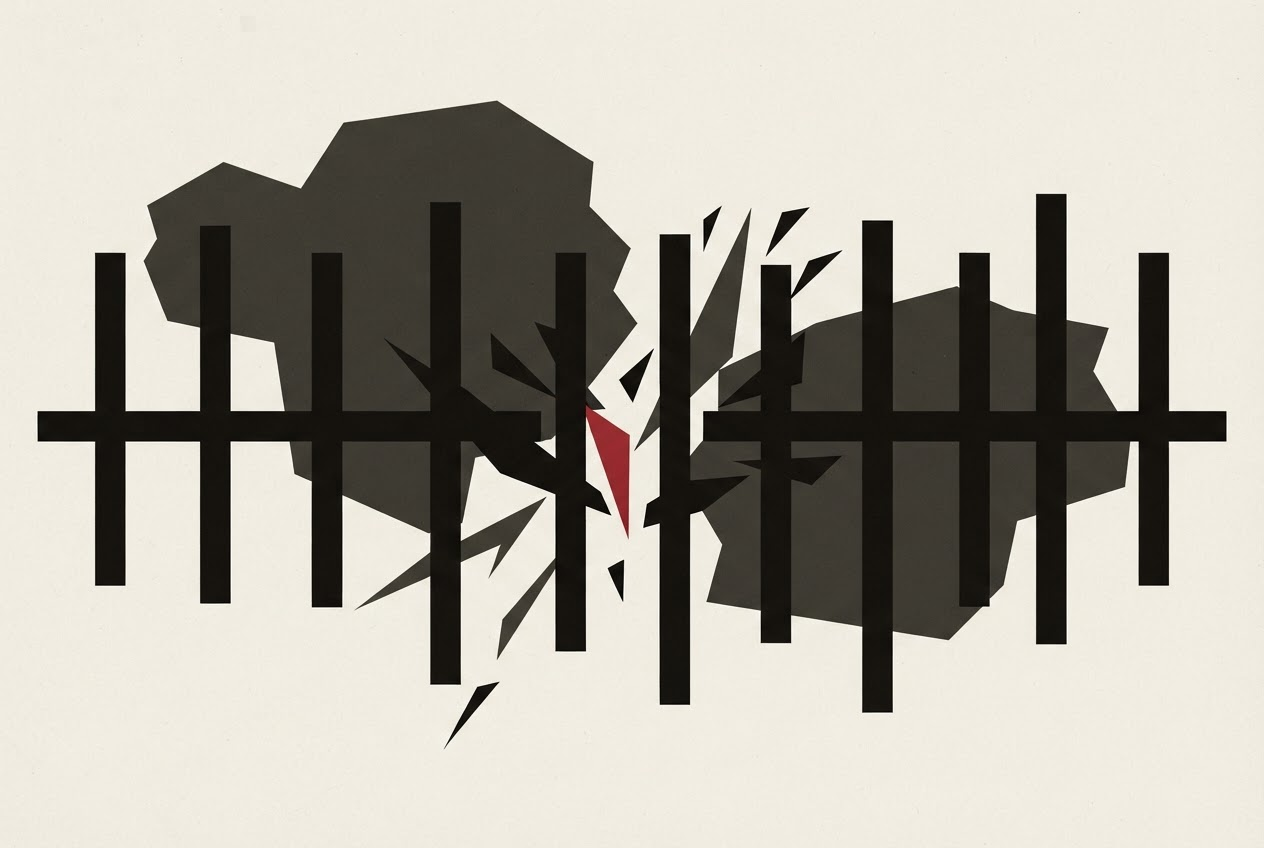
The European Broadcasting Union (EBU) has implemented new rules to bar countries at war from hosting the Eurovision Song Contest. This decision affects countries like Israel and Ukraine, both of which have had recent successes in the competition. Eurovision is typically hosted by the broadcaster from the previous winning country, as part of a co-production with members of the European Broadcasting Union (EBU).
The new rules state that the winning broadcaster will be ineligible to host the contest if certain conditions are met, such as an armed conflict, a sensitive geopolitical situation, or any situation that affects the security, safety, or stability of their state or immediate region. The EBU may conduct an independent security assessment if needed.
If the winning broadcaster is deemed unable to host the contest, another broadcaster will be selected. The EBU did not name any specific countries, but Israel, which placed second in both the 2025 and 2026 contests, is mentioned as a potential affected country due to its ongoing war in Iran. Spain, Ireland, the Netherlands, Slovenia, and Iceland boycotted the 2026 contest in Vienna, stating they could not participate alongside Israel due to the war in Gaza.
Israel is currently engaged in conflict with Iran. The new rule formalizes a previous challenge faced by Eurovision, which previously hosted the contest in Ukraine in 2017 despite conflict within the country. However, Ukraine was unable to host the contest in 2023 due to Russia's full-scale invasion. Russia has been excluded from Eurovision since 2022, following the EBU's ban due to its invasion of Ukraine.
Under the new rules, the age for performers has been increased from 16 to 18 to protect the integrity of performances. Lead vocals must also be performed live and cannot be backed by pre-recorded voices. Eurovision director Martin Green stated that the contest's rules are reviewed annually to ensure fairness and transparency. Next year's contest is set to take place in Bulgaria, following the victory of Bulgarian pop singer Dara in Eurovision 2026 in Vienna with Bangaranga.
Written by urgent.news from DW News's reporting — not their text. Machine-written — may contain errors; check the original before relying on it.
Also reported by 8 other outlets
- Eurovision to bar countries at war from hosting al-monitor.com
- Eurovision to bar countries at war from hosting scmp.com
- Eurovision bars countries at war from hosting dw.com
- Eurovision to bar countries at war from hosting thelocal.fr
- Eurovision to bar countries at war from hosting thelocal.es
- Eurovision to bar countries at war from hosting thelocal.de
- New Eurovision rule change could prevent Israel from hosting in the future haaretz.com
- Eurovision Bars Countries at War from Hosting en.tempo.co