Dollar ticks up on Iran tensions, with US data in focus
The U.S. dollar climbed slightly on Wednesday due to escalating tensions in the Gulf, with market attention shifting to forthcoming U.S. economic indicators that could hint at the Federal Reserve's policy direction. Oil prices rose after the U.S. and Yemen's Iran-affiliated Houthis each claimed attacks on vessels on Tuesday, with Iran asserting the Strait of Hormuz would stay shut unless Washington agrees to its demands.
Investors gravitate towards the dollar as a safe-haven asset when worries about the economic fallout from an Iran conflict grow. Analysts noted that Friday's subdued U.S. job data had little impact on the dollar, as markets anticipate inflation to guide the next Federal Reserve interest rate decision. Austan Goolsbee, President of the Federal Reserve Bank of Chicago, echoed this sentiment on Tuesday, expressing greater concern over persistent inflation rather than labor market issues.
Economists anticipate the upcoming data to reveal a slight increase in inflation following its modest decline in June, when oil prices fell amid hopes of an Iran peace settlement. Consensus forecasts suggest a relatively restrained set of numbers, with Chris Turner, global head of markets at ING, predicting a soft report would shift market expectations for a September Fed rate hike away from a 50% probability toward the possibility of no change.
The primary focus for traders this week is U.S. inflation data released later on Wednesday, which could shed light on the Fed's interest rate trajectory, as last week's weaker-than-anticipated jobs report and a press conference by Fed Chair Kevin Warsh have not dissuaded doubts. Fed funds futures indicate a 50% chance the central bank will maintain rates steady during its September meeting, according to the CME Group's FedWatch tool.
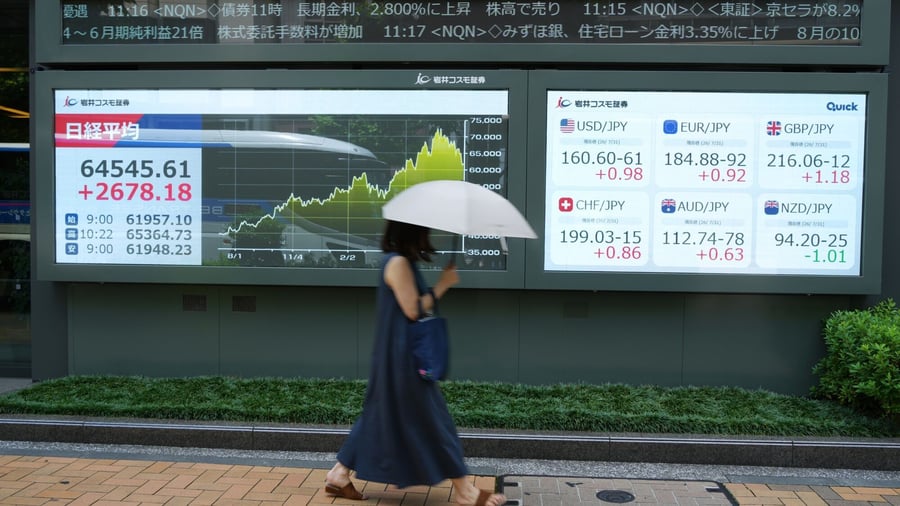
The U.S. dollar index, which gauges the dollar's value against a basket of six currencies, rose 0.05% to 99.85. Meanwhile, Japanese government bond yields and the anticipated removal of expectations for a Bank of Japan rate increase next month are expected to bolster the yen, which slipped 0.05% against the dollar to 159.38 yen, marking its weakest point of the month.
Despite a recent joint intervention by U.S. and Japanese authorities aimed at strengthening the yen, the euro declined 0.1% to $1.1534. The release of the latest CFTC report on Friday showed that the intervention had caused a significant reduction in speculative short positions on the yen. If there are no changes in market fundamentals, speculators may be encouraged to resume short positions in the yen as stable financial market conditions continue to favor carry trades.
Written by urgent.news from Channel News Asia's reporting — not their text. Machine-written — may contain errors; check the original before relying on it.
This story
This is one outlet's version. Read the fullest account.
- Dollar ticks up on Iran tensions, with US data in focus channelnewsasia.com