Crude goes north, gasoline south—Ukraine’s strikes split Russia’s oil trade
Ukraine’s refinery campaign has turned one of the world’s largest fuel exporters into an importer—and pushed its crude onto an Arctic shortcut it barely used a year ago.
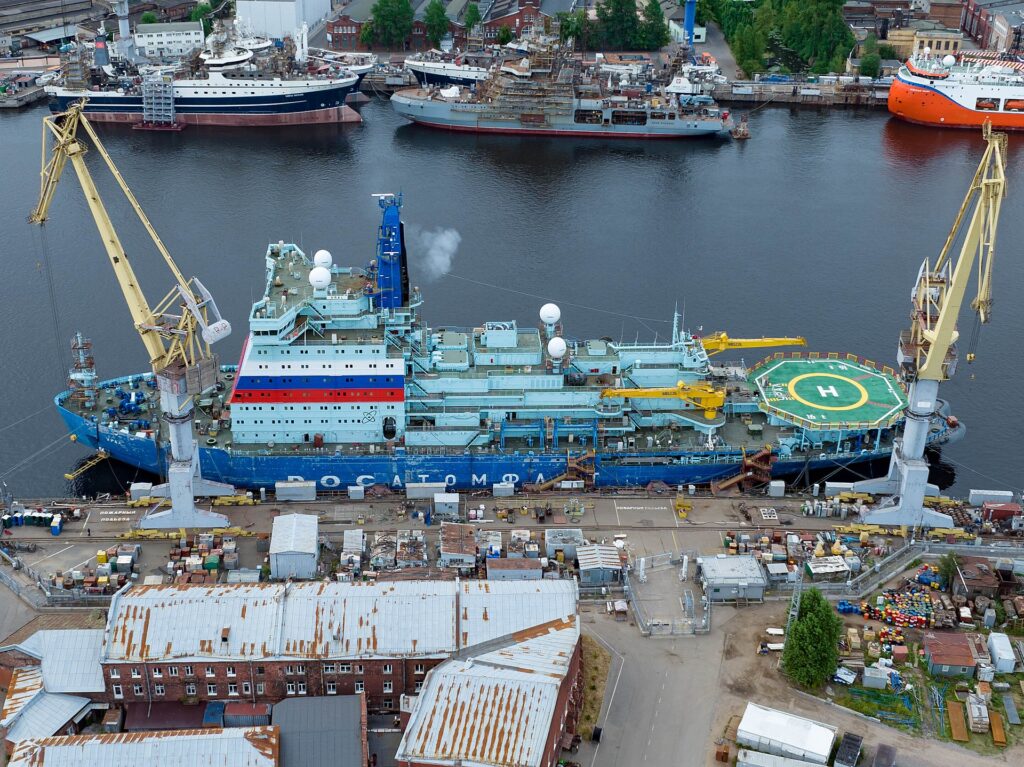
Ukraine’s relentless drone attacks on Russian refineries have transformed the nation into an importer of fuel rather than an exporter. Moscow now relies on distant sources like India and Morocco for gasoline, while sending crude oil through the Arctic to reach Asian markets it can no longer serve with finished products. These shifts are intensifying global fuel markets, with Russia running the world’s third-largest refining industry.
In response, Russia's government is banning gasoline and diesel exports to ensure its own fuel supply. As refining reaches a 24-year low, Russia is exporting crude through the Arctic while importing refined fuel from India. Ukrainian strikes have damaged at least 24 of Russia's 34 largest refineries in recent months, with the industry processing only 3.6 million barrels a day in July—its lowest level since 2002.
This has resulted in fuel shortages and rationing for about 50 million people, roughly a third of Russia's population. To cope, Moscow is subsidizing both the damaged refineries and the imported fuel replacing their output. Russian crude is now flowing through the Arctic, with seven tankers carrying about six million barrels heading to Asian destinations as of August 11.
This volume represents nearly half of the 13 million barrels typically transported through the Northern Sea Route annually. The route is shorter and has milder ice conditions this year compared to the Suez Canal, making it an attractive option for Russian crude exports. Sanctioned tankers are increasingly using this route to bypass European waters, where sanctions have led to inspections and detentions.
Vessel-tracking data show the convoy taking a northern route near the Severnaya Zemlya archipelago instead of the traditional Vilkitsky Strait, putting the tankers within 500 nautical miles of the North Pole—a first for such extensive commercial traffic. The Rosneft-controlled Nayara Energy refinery in Vadinar, Gujarat, India, processes 400,000 barrels a day and is 49% owned by Rosneft.
After EU sanctions expelled non-Russian crude suppliers in July 2025, the refinery switched to processing only Russian oil and now sells its gasoline through a series of ship-to-ship transfers at Egypt’s Damietta Port. At least three cargoes have followed this route since June, with the first reaching Russia on August 5. Two more tankers followed the same path in July, and all vessels involved are subject to EU and US sanctions.
As Rosneft’s Vostok Oil project launches later this year, more crude may flow through the Northern Sea Route.
Written by urgent.news from Euromaidan Press's reporting — not their text. Machine-written — may contain errors; check the original before relying on it.
This story
This is one outlet's version. Read the fullest account.