Community groups' 'vital' disaster recovery work undervalued, report finds
A new Western Sydney University report finds grassroots organisations are often the first and last responders, but often face burnout.
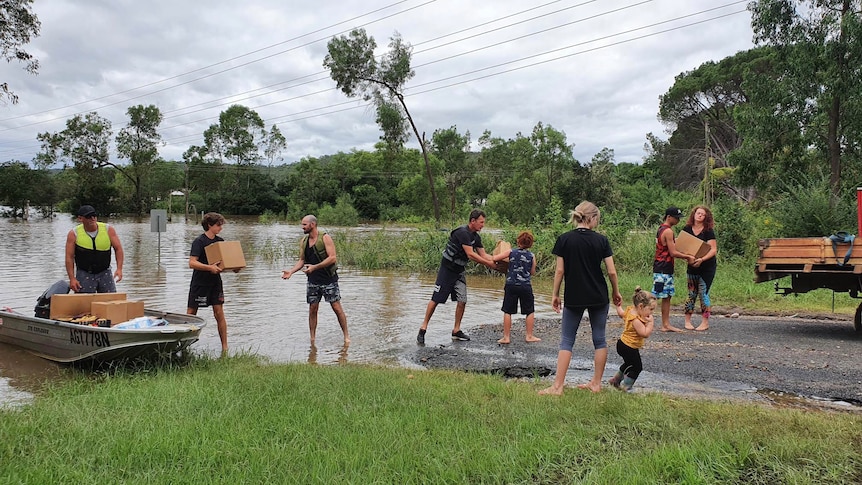
Community disaster response organisations are vital in building resilience, yet they often face burnout and lack recognition, according to a new report from Western Sydney University. Local charities, community associations, and committees play crucial roles in filling gaps in the state's disaster risk reduction efforts, frequently without proper government support or acknowledgment.
Dr. Willow Forsyth, lead author of the study, emphasizes that these grassroots organisations' local knowledge enables them to build trust and credibility more swiftly than outsiders. However, they express frustration that their expertise is not always recognized by state agencies. The research, which gathered insights from various organisations across New South Wales, highlights the urgency of the issue given the emerging super El Niño event and climate change.
While these organisations have demonstrated exceptional support during disasters, such as Hawkesbury's Helping Hands charity stepping up for drought, bushfires, and floods, they often go unrecognized by disaster agencies and receive no government funding. Smaller grassroots organisations, like Eugowra's local progress association, which helped after a devastating flood in 2022, are crucial but face the risk of closure without continued funding.
The NSW Reconstruction Authority has allocated $3.55 million for 39 projects to support community-led recovery, but acknowledges the need for sustainable support to prevent volunteer burnout and ensure genuine community-led recovery.
Written by urgent.news from ABC News AU's reporting — not their text. Machine-written — may contain errors; check the original before relying on it.