China childhood staple ‘White Rabbit’ candy gains global praise for classic wrapper design
The time-honoured Chinese creamy candy brand White Rabbit recently went viral for its iconic wrapper design, but the brand, having pursued an active rebranding strategy and collaborations, offers much more than its traditional legacy. A netizen on X, under the handle @weeabob, shared a post featuring the candy’s classic blue, red, and white wrapper, praising it as an “absolute masterstroke of…
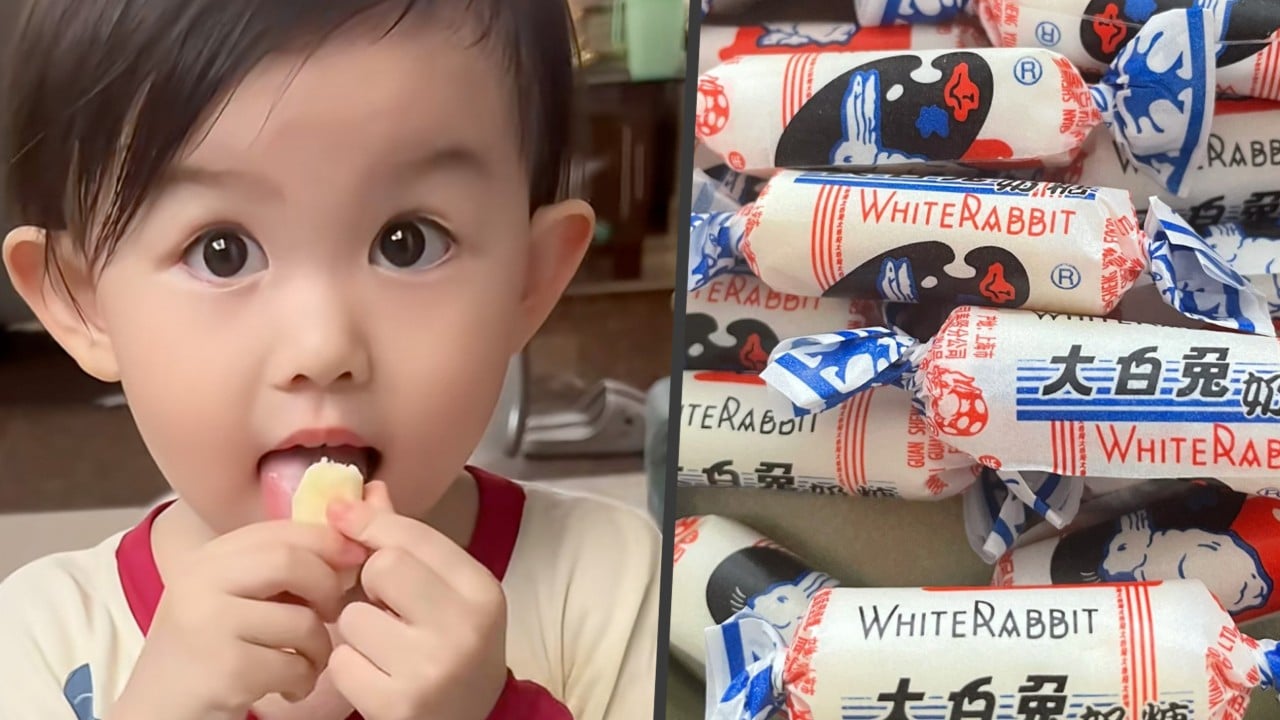
The cherished Chinese creamy candy brand, White Rabbit, has recently attracted global attention due to its enduring wrapper design. Though the company has undergone rebranding efforts and collaborations, the iconic wrapper remains a significant aspect of its identity. A social media user shared a post on X, highlighting the candy's distinctive blue, red, and white wrapper, and it quickly gained popularity, earning over 260,000 likes and 600 comments.
Users reminisced about their childhood memories of the candy, as well as the brand's innovative new products and collaborations. White Rabbit, launched in 1959 to mark the 10th anniversary of the People's Republic of China, is considered China's national creamy candy. Its predecessor, ABC Mickey Mouse Candy, was created in 1943 by the Shanghai ABC Candy Factory and featured Mickey Mouse on its wrapper.
The brand's name change to White Rabbit occurred in 1954, following concerns over copyright and the representation of rats as one of the "four pests." White Rabbit was highly regarded as a premium source of nourishment during times of extreme scarcity; it was said to provide the nutritional equivalent of a glass of milk for every seven pieces consumed.
During the Cultural Revolution (1966-1976), people lined up for the candy during festive occasions as it became scarce. The candy has left a lasting impact on older generations, as evidenced by its mention in modern literature. In Yu Hua's novel, Brothers, White Rabbit symbolizes the cherished childhood memories of two brothers who grew up during the Cultural Revolution.
In 1972, President Nixon's historic visit to China led to China gifting each member of his delegation 5kg of White Rabbit candies, demonstrating its cultural significance. Despite the abundance of choices in the Chinese food market, consumers continue to buy White Rabbit, driven by nostalgia and the brand's ongoing efforts to innovate and adapt to changing consumer preferences.
The company, currently operated by Shanghai Guan Sheng Yuan Food Co, Ltd, is launching new products and collaborating with domestic and international fashion brands. White Rabbit has recently partnered with Coach to produce bags and apparel, while also introducing new flavors like red bean, corn, yoghurt, and durian. The brand has made its way onto shelves at American retailer Costco in Canada, debuting a new tiramisu flavor specifically for the North American market.
Additionally, White Rabbit now offers milk tea and ice cream, and has adapted its iconic white rabbit image into various products like stuffed toys, stationery, and other items to cater to younger consumers. Brand expert Ma Mo from DT Caijing praised White Rabbit as an example of successful rebranding for traditional brands, highlighting its ability to maintain its rich, pure milk flavor and original red, blue, and white wrapper design while catering to new generations' consumption needs.
Written by urgent.news from South China Morning Post's reporting — not their text. Machine-written — may contain errors; check the original before relying on it.