Can you remove stubborn lawn weeds during a heatwave without ruining grass? A lawn care expert reveals all
I’m a garden writer and struggling with how to tackle my parched lawn that’s full of weeds. I asked a lawn care expert what to do.
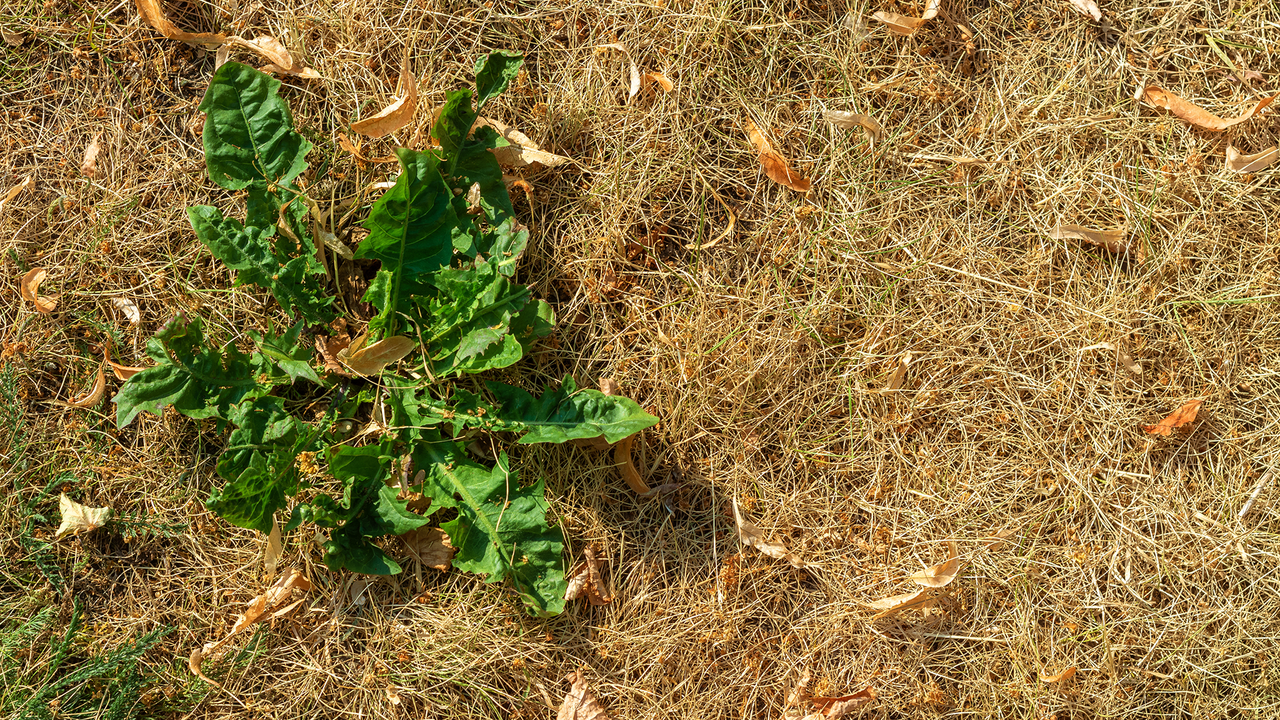
With another heatwave looming in the U.K., many lawns are parched and in need of attention, and weeds appear to be thriving. Before diving in to tackle the weeds, it's wise to consult a lawn care expert to avoid costly mistakes. According to Jonathan Davis, a grass expert at Lawnsmith, treating lawn weeds during a heatwave may do more harm than good.
"I wouldn't recommend treating lawn weeds while the grass is dormant or drought-stressed," explains Davis. "Although the weeds may be easier to see, the conditions simply aren't suitable for effective or safe treatment."
Weedkiller doesn't work well in dry conditions, as the grass is already under pressure and more vulnerable to damage from any treatment. Specialized products won't overcome poor growing conditions either. Even if you see a temporary effect, the treatment is unlikely to last, as weeds will return once the weather improves. Instead of relying on chemicals, Davis suggests manually removing isolated weeds by hand, as long as it doesn't disturb the surrounding turf.
Beyond weed removal, there are several lawn maintenance tasks that are safe to perform during a drought. Using a wetting agent when watering, lightly pricking or spiking the surface to aid absorption, and regular mowing can help keep weeds at bay. However, tasks like fertilizing, moss killing, and scarifying should be postponed until conditions improve.
It's essential to distinguish between drought stress and other issues affecting the lawn, such as lawn burn or red thread. To check for drought stress, use a bulb planter or a spade to cut a small hole in the lawn and inspect the soil. If it's dry, dusty, or crumbly, this confirms drought stress. If the soil is dark and holds together in grains, there is still moisture present, and the issue may be something else.
Davis advises waiting until the soil has rehydrated and both the grass and weeds are actively growing again before attempting any treatments. Until then, patience is key – the best course of action is to give the lawn minimal attention during this period.
Written by urgent.news from Tom's Guide's reporting — not their text. Machine-written — may contain errors; check the original before relying on it.