Brit rail cops bring live facial recognition to the London Underground
Victoria is the first stop as privacy campaigners warn the technology is becoming routine
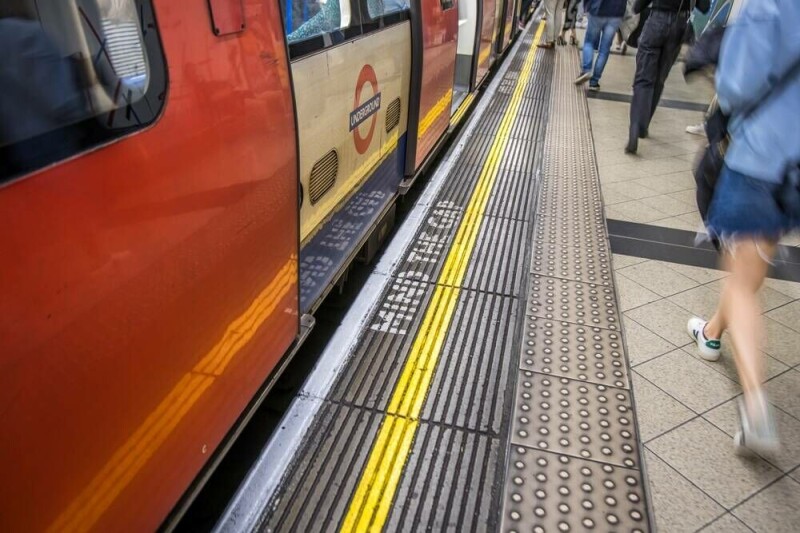
British Transport Police is set to expand its trial of live facial recognition technology to the London Underground, despite concerns over privacy and potential wrongful identifications. The trial, which officially started at Victoria Underground station, will rotate between Underground and Network Rail stations until November. Previously, the Metropolitan Police had deployed the technology in London's West End and Soho after a six-month trial in Croydon.
Live facial recognition works by scanning faces within a camera's field of view and comparing them with a police watchlist. A potential match triggers an alert for officers to review, determining if further action is necessary. The NEC NeoFace M40 algorithm powers the technology across multiple forces.
The railway bobbies argue that expanding the trial into London Underground stations will help evaluate the technology in a different transport environment while fine-tuning its use across the railway network. However, critics view the move as dystopian and intrusive, with errors already leading to innocent people being mistaken for criminals and detained. Ethnic minorities seem particularly vulnerable to mistaken identity by facial recognition algorithms.
Silkie Carlo, director of civil liberties group Big Brother Watch, warns that this represents a disturbing expansion of live facial recognition, capturing millions of innocent faces. She asserts that police are using the technology routinely, akin to China's pervasive use. A recent Opinium survey of 2,000 UK adults revealed that 69 percent believe the public should have a say in the technology's use, while 61 percent fear errors could wrongly implicate them, and 57 percent are concerned about how facial images are stored.
British Transport Police maintains that images of anyone not on the authorized watchlist are deleted immediately and permanently. However, it appears the policy's future may be uncertain. A spokesperson for the force referenced Chief Superintendent Chris Casey's statement, emphasizing the focus on protecting the public, preventing crime, and ensuring lawful, proportionate, and transparent use of the technology.
Written by urgent.news from The Register's reporting — not their text. Machine-written — may contain errors; check the original before relying on it.
This story
This is one outlet's version. Read the fullest account.