nCino KYC sheds light on what’s fuelling financial crime in SA
Delegates at the company’s recent Fighting Financial Crime Conference 2026 highlighted the impact of corruption, fraud, human trafficking and state capture.
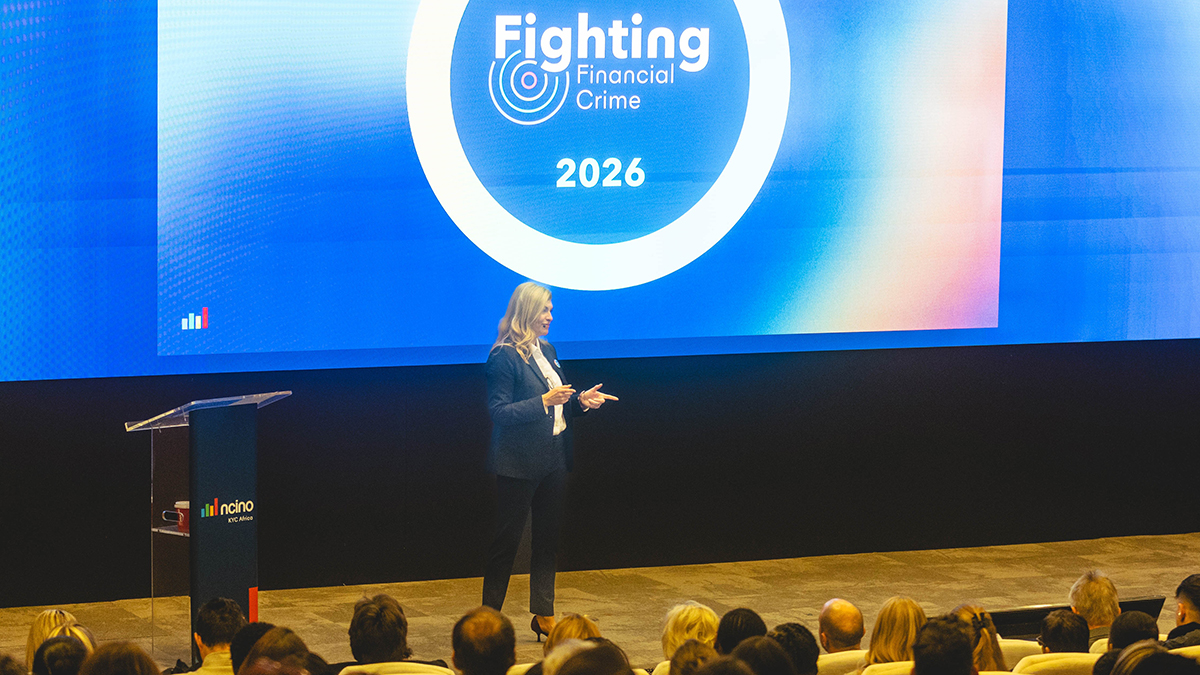
Financial crime in South Africa is driven by fraud, corruption, state capture and human trafficking, according to fintech company nCino KYC. The company urged the financial services industry to leverage resources, including AI, to bolster defences against financial crime. The 2026 Fighting Financial Crime Conference brought together compliance professionals, legal experts, and financial crime specialists to discuss the challenges of combating financial crime in the country.
Investigative journalist Pieter-Louis Myburgh shed light on SA's most significant financial crime patterns, including the IDT's R836 million oxygen plants scandal and the Digital Vibes PPE corruption network. Myburgh emphasized how illicit money flows through politically connected structures and how paper trails eventually catch up with perpetrators.
Tertia Barrett, nCino KYC's area VP for sales, warned that compliance professionals can no longer manage FICA manually due to its critical role in combating financial crime. Barrett emphasized that businesses must adopt digital biometric authentication and verification, real-time PEP and sanctions watchlist screening, and automated KYC document checks to strengthen their defenses.
The FATF's grey-listing of SA placed a strong focus on high-value goods dealers, attorneys, and estate agents as significant financial crime risks. Barrett stressed that businesses must embrace purpose-built technology to meet the regulatory requirements, manage client risk profiles, and prevent and identify financial crime. The FATF's next review of SA will likely maintain aggressive enforcement to avoid another grey-listing, which could have severe economic consequences.
Failure to comply with FICA requirements can lead to devastating financial, legal, and reputational costs for businesses.
Written by urgent.news from ITWeb's reporting — not their text. Machine-written — may contain errors; check the original before relying on it.