Apple’s response to RAM-ageddon? Lease, downgrade, refurbish, repair
Apple is in the process of tweaking its business models to cope with the unyielding memory price and availability crisis. Its response is now emerging across multiple fronts. Finance or lease The company’s recently-introduced Apple Upgrade scheme in partnership with Klarna is a smart response to the reality that as devices inevitably become more expensive, consumers will shift from outright…
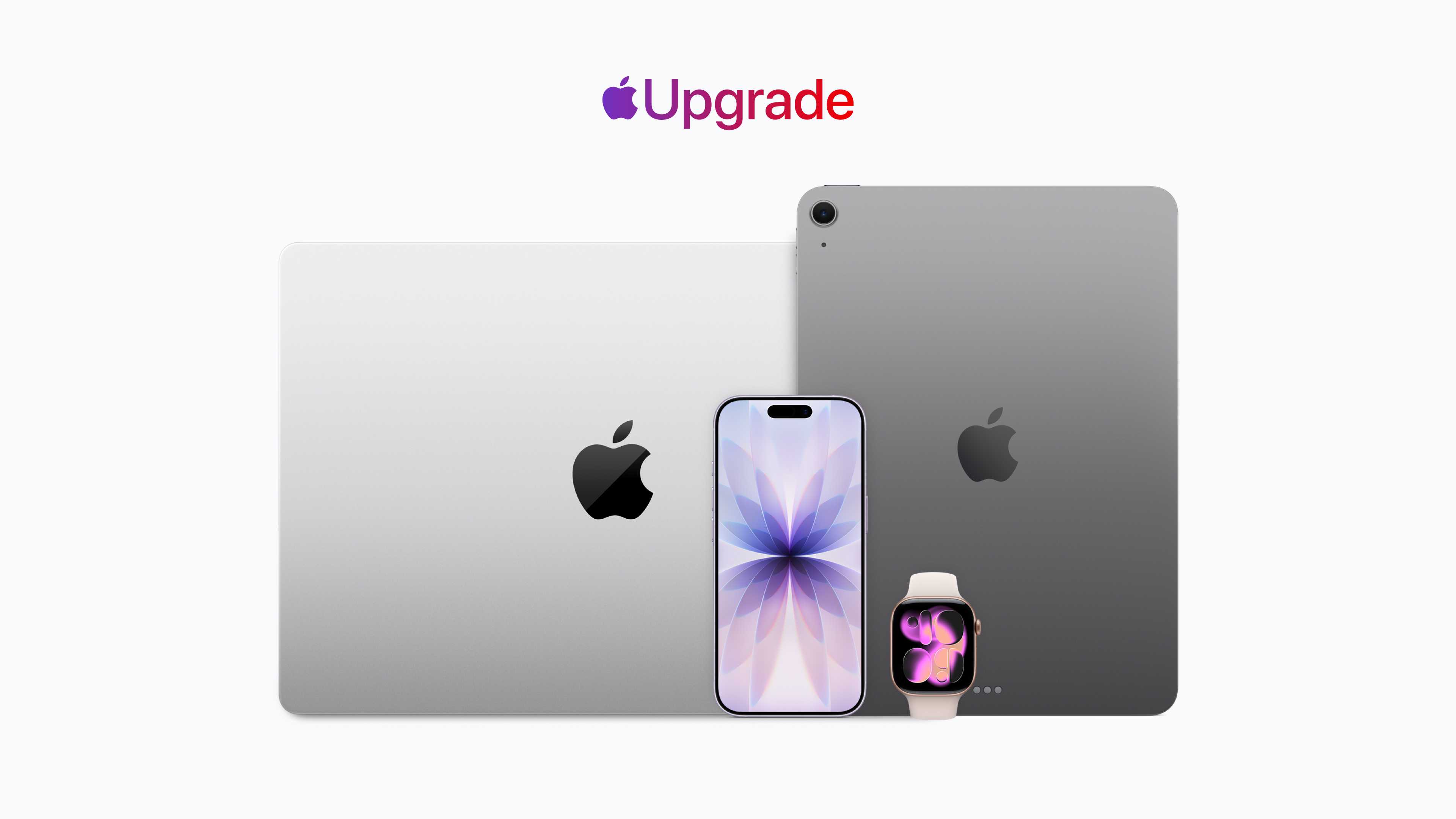
Apple is adapting its business models to address the ongoing memory shortage and availability crisis. One approach is through leasing and financing options, such as Apple's recent partnership with Klarna. This strategy is mirroring those of competitors like Samsung and Google, who have also introduced similar schemes. As memory prices soar, consumers are opting for less expensive devices to fit their budgets, leading to increased sales of lower-specced iPhones like the iPhone 16e, which is the top seller on the US prepaid market.
Apple has also expanded its refurbished device program, offering trade-in deals of up to $480 for the iPhone 16 and $720 for the iPhone 16 Pro Max. Consumers are now more likely to repair their devices rather than upgrade, as iPhones are known for their durability and long-term support. Apple provides comprehensive service and support packages, including an extended AppleCare One plan for up to three devices.
These strategies aim to capture revenue in the sub-$500 device market, which is expected to grow as smartphone prices increase by 25%, according to CCS Insight. The second-user market for refurbished smartphones is seen as a key channel for both Apple and Samsung to fill the market gap left by higher-priced devices. Apple has set a goal to build a circular manufacturing ecosystem by 2030, incorporating recycled and renewable materials into its processes.
Written by urgent.news from Computerworld's reporting — not their text. Machine-written — may contain errors; check the original before relying on it.