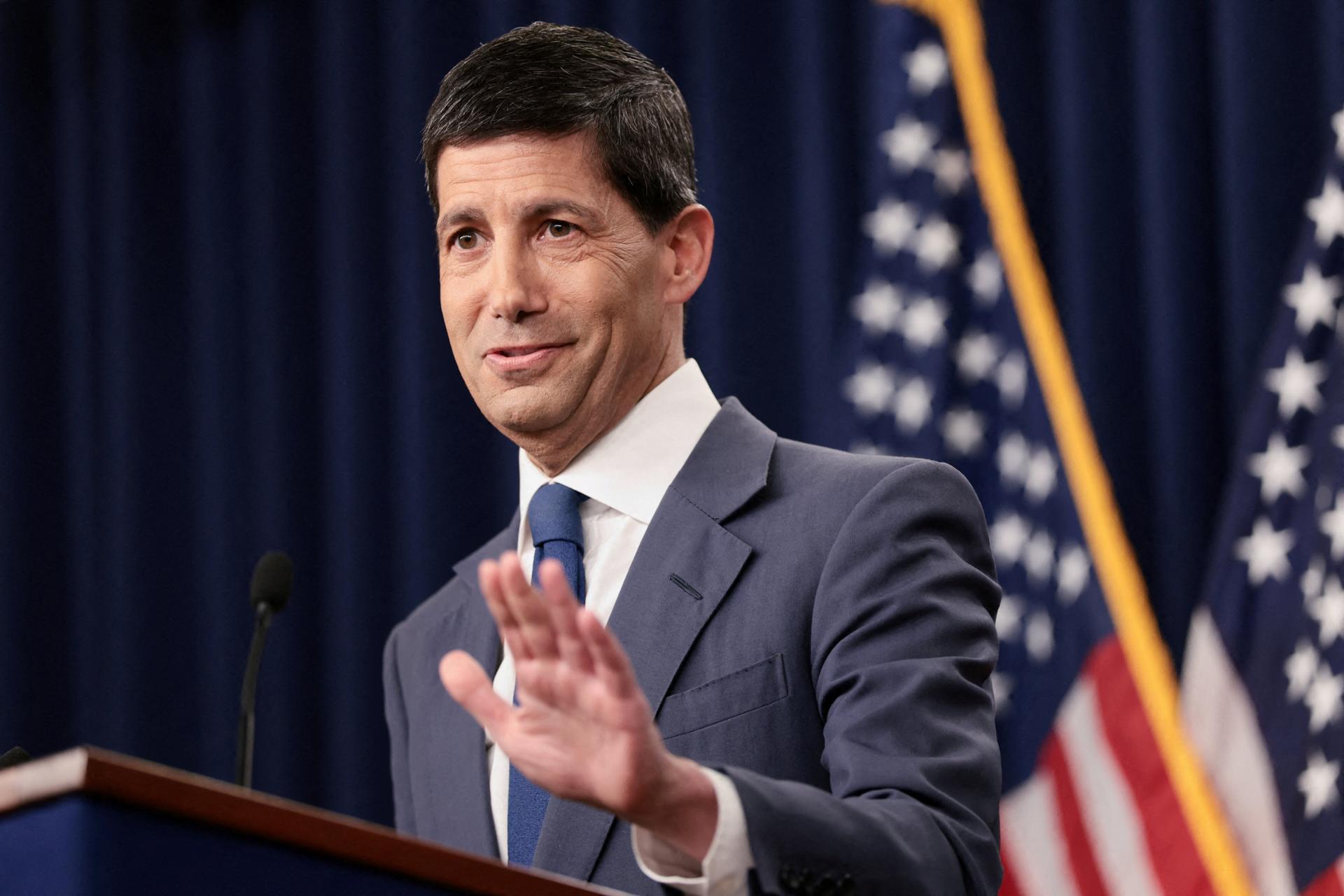
Anti-migration measures begin to deliver
Despite facing a record labor shortage, an economic slowdown and surging inflation, the Russian authorities are continuing to restrict migrant labor.
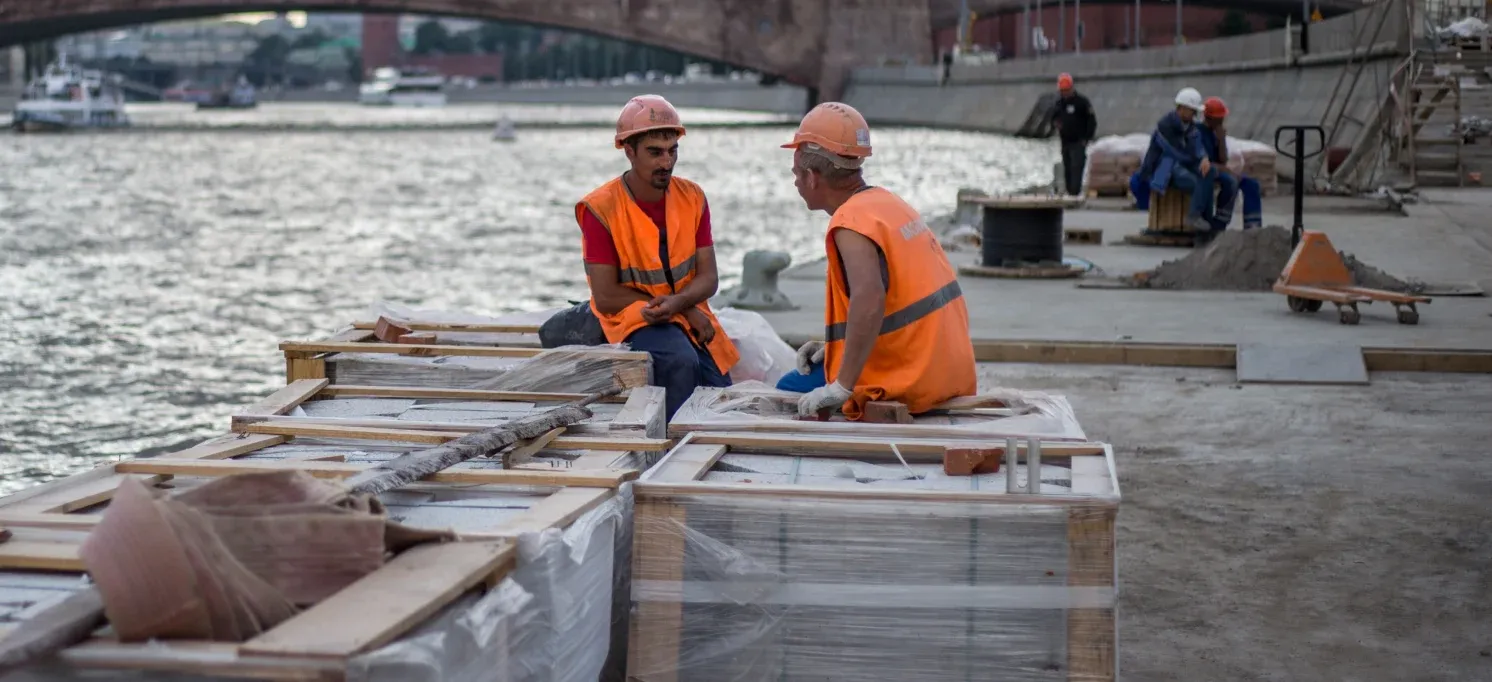
Russian authorities are tightening restrictions on migrant labor despite a record labor shortage, economic slowdown, and rising inflation. In the first half of 2026, the number of immigrants from Central Asia decreased by 15%, with Uzbekistan sending 1.1 million people (13.2% fewer than the previous year), Tajikistan 18% down to 494,500, and Kyrgyzstan 17% lower at 289,000.
Migrants must obtain a work permit to work officially in Russia, with fees for these permits rising sharply. The migration crackdown followed a terror attack in March 2024, after which police raided migrant living and working spaces, forcing many to sign up for military service. The State Duma has passed laws restricting migrant flows and increasing controls on those who arrive.
Additionally, residence permit fees have increased significantly, and payments for temporary residence permits have more than doubled. President Putin recently signed a law doubling the number of administrative offenses for which migrants can be deported. Russia's labor shortage could reach 3.1 million by 2030, with 11 million positions expected to be vacant in the next five years due to retirements and the expansion of the military-industrial sector.
The country faces a potential labor shortage compounded by an aging population, limiting growth potential and fueling inflation due to rising salaries without increased productivity.
Written by urgent.news from The Bell's reporting — not their text. Machine-written — may contain errors; check the original before relying on it.