Altersvorsorge: Zehn Euro im Monat: Wie die Frühstartrente funktioniert
Mit sechs schon an die Rente denken? Ein Zuschuss vom Staat soll Kinder an die Altersvorsorge heranführen. Über die Jahre könnten erhebliche Summen zusammenkommen – doch nicht für alle.
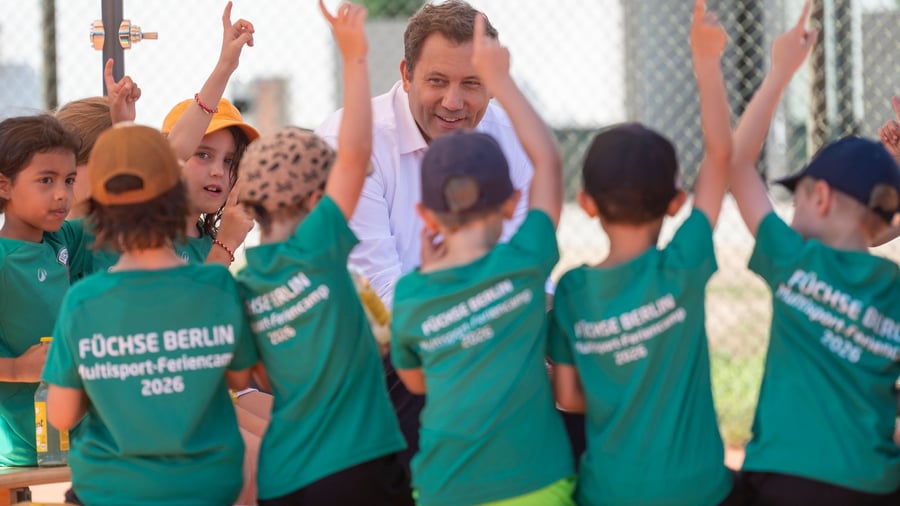
"Altersvorsorge: Zehn Euro im Monat: Wie die Frühstartrente funktioniert" introduces a new initiative in Germany aimed at encouraging children to start saving for their retirement from a young age. The Frühstartrente, as it is called, will provide each child with a monthly contribution of ten euros from the moment they turn six until they reach adulthood at eighteen. The goal is to ensure that every child, regardless of their family's financial situation, has the opportunity to begin saving for their future.
The program is set to be implemented starting in 2020, with the first cohort of six-year-olds receiving the monthly payments. Children who have already turned seven will not be part of this initial rollout. The funds are deposited into a state-managed investment fund, which is tax-free until the age of 65 when the capital can be withdrawn. Parents or grandparents have the option to add to the fund, with annual contributions capped at 6,840 euros.
If only ten euros are added each month, the total amount saved by the time the child reaches retirement age could reach around 107,000 euros, assuming a 7% average annual return on the investments. However, the actual growth of the fund depends on market performance. The primary objective of the Frühstartrente is not just to save money, but also to expose young people to the stock market and the concept of private savings.
This early exposure to financial markets is intended to foster a habit of continued private savings in adulthood.
Critics argue that the program is more symbolic than practical and may disproportionately benefit wealthier families who can afford to contribute more. While supporters see it as a way to get young people engaged with financial markets and to ensure a more future-proof retirement system, opposition groups, including the Left Party and trade unions, view it as a symbolic effort to bind the younger generation to the financial markets without addressing the core issues of the pension system.
Written by urgent.news from Handelsblatt's reporting — not their text. Machine-written — may contain errors; check the original before relying on it.