AEW–WPC clash exposes Africa’s failure to defend its own energy calendar
The collision between Cape Town and Riyadh has been blamed on global competition and Saudi convening power. But it also exposes an African weakness: the continent has not built enough collective weight around its own strategic energy calendar.
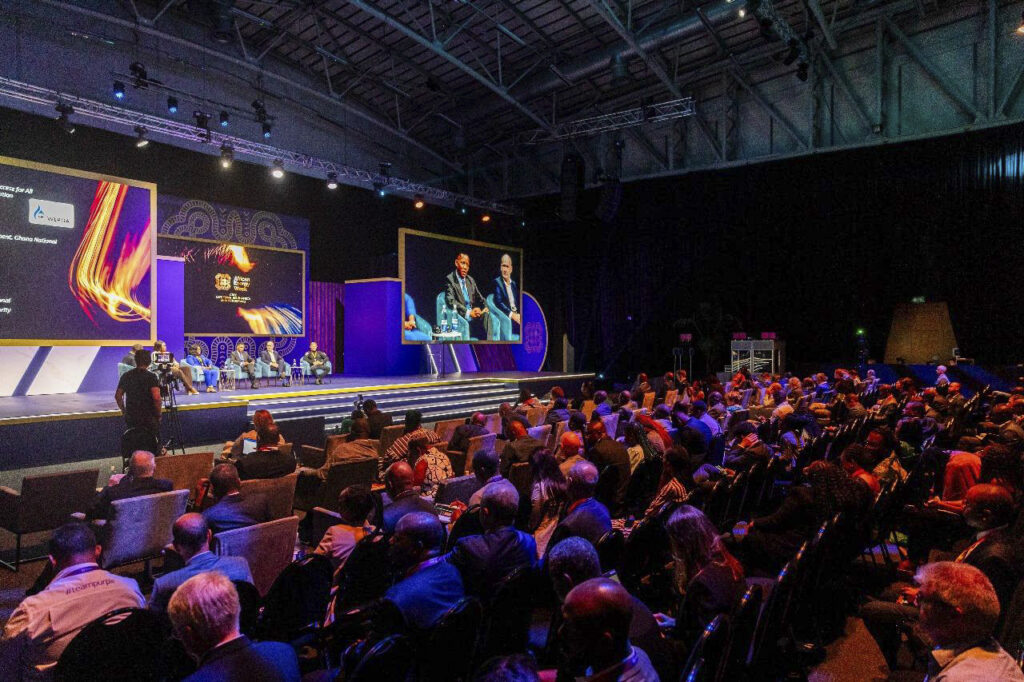
The clash between the African Energy Week (AEW) and the World Petroleum Congress (WPC) in October 2026 has shed light on Africa's inability to fortify its own energy calendar. The dispute has been analyzed primarily through the prism of Saudi influence, competition for key officials, and rivalry over investments, as well as questions of institutional standing. However, the underlying issue runs deeper and closer to home.
AEW is slated for Cape Town from October 12 to 16, while the WPC Energy Congress will be held in Riyadh from October 11 to 15. A significant portion of their program overlaps almost entirely, leading to a critical question: why was WPC able to move into AEW's week without raising a formidable institutional barrier for itself? This query delves into the heart of Africa's predicament.
For important dates to become powerful, institutions must defend them. The global economic calendar is filled with events that governments, companies, and investors consider nearly unchangeable. Executives plan their schedules around these dates, media organizations prepare their coverage, and sponsors commit early. Governments schedule delegations well in advance, and other organizers think twice before directly competing against them. This status is not solely achieved through branding; it is established through institutional habit.
To elevate Africa's position, the ambition should extend beyond merely making AEW successful. The objective should be to establish its strongest continental energy gatherings as calendar landmarks that the international industry cannot easily overlook. Currently, AEW is a significant event with sessions focusing on investment, upstream development, gas, electricity, local content, and country-specific opportunities.
However, scale alone does not confer calendar power. Calendar power arises when a gathering becomes so deeply ingrained in government and corporate planning that competing against it becomes disadvantageous. This necessitates more than just an organizer; it requires collective ownership of the date.
If African petroleum ministries treat AEW as just another conference among many, international institutions will perceive it similarly. If national oil companies only attend after receiving invitations, the date remains malleable. If senior African officials fail to include the event in their official forward calendars, its institutional protection remains weak.
Additionally, if Africa hosts multiple competing energy gatherings targeting the same ministers, sponsors, and investors, outsiders may struggle to determine which African event carries strategic priority.
Ultimately, African governments hold the key to unlocking this challenge. Their ministries, national oil companies, regulatory agencies, and development finance institutions possess immense leverage over the international energy-conference market. If major petroleum-producing states in Africa formally designate one annual week as a priority continental energy-investment period, it would send a clear message to international energy conferences.
If APPO members, national oil companies, regulators, and development finance institutions commit to senior participation in a specific week well ahead of time, international energy companies and banks would take note. This collective approach could thwart the efforts of competing global events, allowing them to make informed decisions about their participation.
While excessive fragmentation may not always be detrimental, it can weaken Africa's bargaining power. Many energy-related events in Africa take place across various platforms in Africa, Europe, the Middle East, and North America. While this diversity presents opportunities, it also dilutes the continent's overall influence. The WPC controversy highlights this fragmentation, making it more apparent.
It is not advisable for Africa to abandon international roadshows altogether. However, there is a need to ensure that global investors increasingly recognize the importance of attending events in Africa. Saudi Arabia exemplifies this model by actively drawing the global energy industry into the country. This strategy helps concentrate the international energy sector in Riyadh, making it a strategic hub for energy discussions.
Written by urgent.news from MyJoyOnline Ghana's reporting — not their text. Machine-written — may contain errors; check the original before relying on it.