‘A mouse can’t tell us what works’: UK scientists to grow miniature human organs for drug testing
Organoids and tissues grown from human cells promise more accurate results, with £20m Cambridge project to create standardised models Miniature human organs and other tissues are to be grown from NHS patients’ cells in a drive to improve medicine testing and reduce the number of animals used in drug development. Scientists will use the clumps of tissue to learn how diseases vary between patients,…
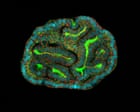
Scientists in the UK are set to grow miniature human organs from patient cells as part of a £20m Cambridge project aimed at improving medication testing and reducing the use of animals in drug development. By creating standardized models of miniature human organs, researchers hope to gain more accurate insights into how diseases vary between patients, allowing them to identify the most effective treatments for different individuals based on their unique pathology.
This shift towards using human tissues for testing marks a departure from traditional animal models, which researchers believe will lead to more precise and reliable tests. Matthias Zilbauer, a clinical professor of paediatric gastroenterology at the Cambridge Stem Cell Institute, stated that while animal use will still be necessary in some cases, the number of animals used will be significantly reduced.
Organoids, or miniature human organs, have been grown from human cells for over a decade, and studies have shown that even small pieces can mimic key features of full-scale organs and tissues, including how they function with disease and respond to drugs.
Using organoids derived from diseased human tissues, scientists can test new drug candidates to see if they reverse pathological changes in patients, and quickly eliminate ineffective drugs early in the development process. Today, over 90% of drugs that succeed in animal testing fail in human trials, raising doubts about the effectiveness of these tests. Both US and European medicines regulators are now encouraging alternative approaches when possible.
The five-year project will be led by a research hub in Cambridge, funded with a £20m grant from the Medical Research Council. Researchers will collaborate with scientists worldwide to create a library of standardized, validated organoids, which will be made available to academics and the pharmaceutical industry to aid in the development of new treatments.
This initiative aligns with the UK government's strategy to accelerate the reduction of animal use in research, relying on alternative methods such as organoids, organ-on-a-chip systems, and artificial intelligence to process data and model biological processes. Last year, there were 2.54 million animal testing procedures in Britain, a 3.8% decrease compared to 2024, with mice, rats, fish, and birds comprising 99% of the procedures, while 1% involved protected species like cats, dogs, horses, and monkeys.
Zilbauer's team will begin by growing organoids for inflammatory bowel diseases like ulcerative colitis and Crohn's disease, with others focusing on tumours for cancer treatments and brain organoids to study neurological conditions. A £2m grant from Innovate UK will support nine projects aimed at reducing animal use in safety tests, such as VivoSphere, which grows heart cells in tiny gel spheres for earlier toxicity detection, saving both animals and patients the risk of harmful drugs.
Dr. Juliet Dukes of the charity Replacing Animals in Research emphasized the potential of organoids and other in vitro microphysiological systems to enable truly personalized medicine for individual patients, representing a significant advancement in medical research and testing.
Written by urgent.news from Guardian Science's reporting — not their text. Machine-written — may contain errors; check the original before relying on it.