A look at Spain's plan to give undocumented migrants legal status
Spain is at the center of the global immigration debate. Left-wing Prime Minister Pedro Sanchez has enacted a plan aimed at giving legal status to undocumented immigrants. But last month, tens of thousands of migrants tried to illegally cross into the Spanish territory of Ceuta, which borders Morocco. The incident is putting Spain's immigration policy under the microscope. Stephanie Sy reports.
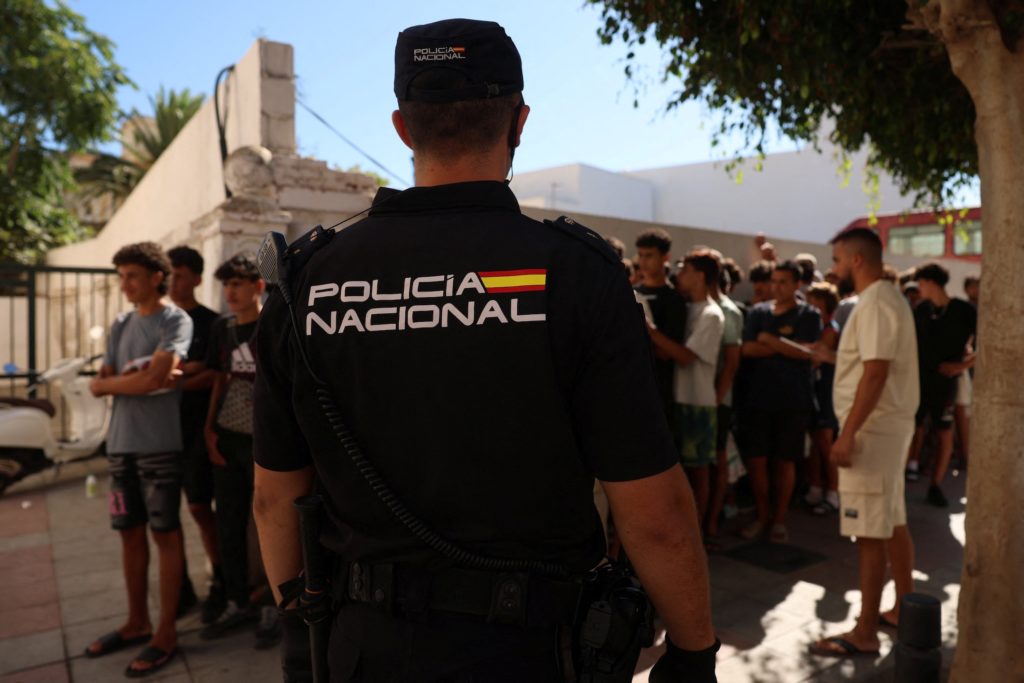
Spain is at the center of the global immigration debate, with Prime Minister Pedro Sanchez enacting a plan to give legal status to undocumented immigrants, known as regularization. However, last month, tens of thousands of migrants attempted to illegally cross into Ceuta, a Spanish territory bordering Morocco, putting Spain's immigration policy under scrutiny.
Carlos Aroca, an Ecuadorian migrant, works long hours collecting garbage in Madrid, a job he took after losing his legal status due to his immigration status. Carlos Aroca, now among an estimated 600,000 undocumented migrants, will gain temporary and renewable legal status if he has lived in Spain for five months and has no criminal record. This reform brings them into the formal system, allowing them access to Social Security, public health care, and other benefits.
Vladimir Revelo, president of a migrant advocacy group, explains that these reforms are a pragmatic response to Spain's economic challenges, such as an aging population, low birth rates, and labor shortages. However, opposition leader Alberto Nunez Feijoo argues that the policy has harmful consequences for Spain and Europe, putting pressure on public services, housing, and the community.
Last month, the immigration debate intensified when over 350 miles south of Madrid, migrants attempted to cross into Ceuta from Morocco. Over 100 people died, many drowning or crushed by the crowd. Experts believe this was not a spontaneous event but was likely fueled by misinformation from Morocco about crossing into Spain. The Moroccan government was accused of playing a role in the chaos by failing to obstruct the crossing, which many experts consider a willful breakdown in border controls.
Written by urgent.news from PBS NewsHour's reporting — not their text. Machine-written — may contain errors; check the original before relying on it.